
TWO of Penang’s most recognisable dining establishments are preparing to close by the end of this month, prompting concerns over the sustainability of the state’s food and beverage sector and the broader culinary appeal for tourists.
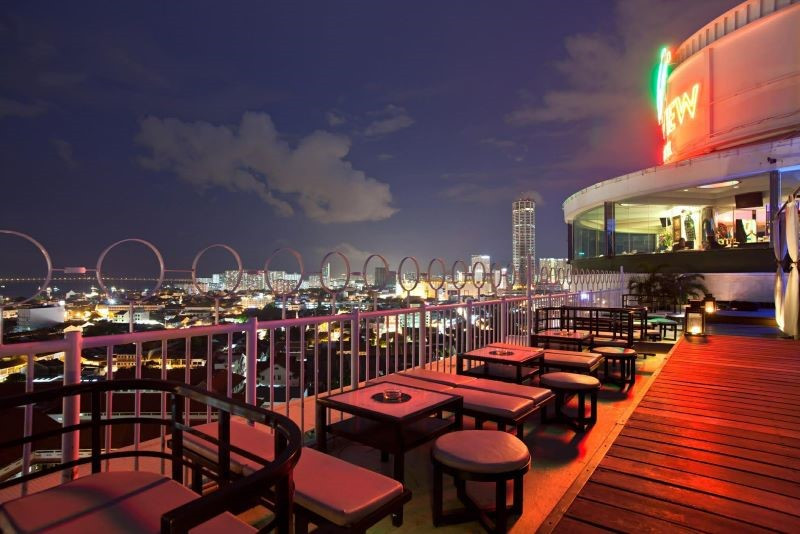
The Three Sixty Revolving Restaurant & Rooftop Bar, long considered a hallmark of Penang’s skyline, will cease operations on April 30.
Situated atop the Bayview George Town Hotel, the venue has offered diners panoramic views of the city’s Unesco World Heritage-listed streets for decades.
The restaurant is also a sentimental favourite for Xavierian alumni, providing a clear view of St Xavier’s Institution, one of the nation’s oldest schools.
The closure follows plans for a major redevelopment of the hotel, which is to be rebranded as Oakwood Georgetown Penang under the global hospitality group The Ascott Limited, with seasoned hotelier Adrian Chua appointed to oversee the transition.
“Three Sixty has been more than just a restaurant — it has been part of Penang's story for decades. We have hosted generations of guests celebrating life's most meaningful moments here,” said managing director Yeoh Kah Hock, reflecting on the establishment’s longstanding role in the state’s hospitality landscape.
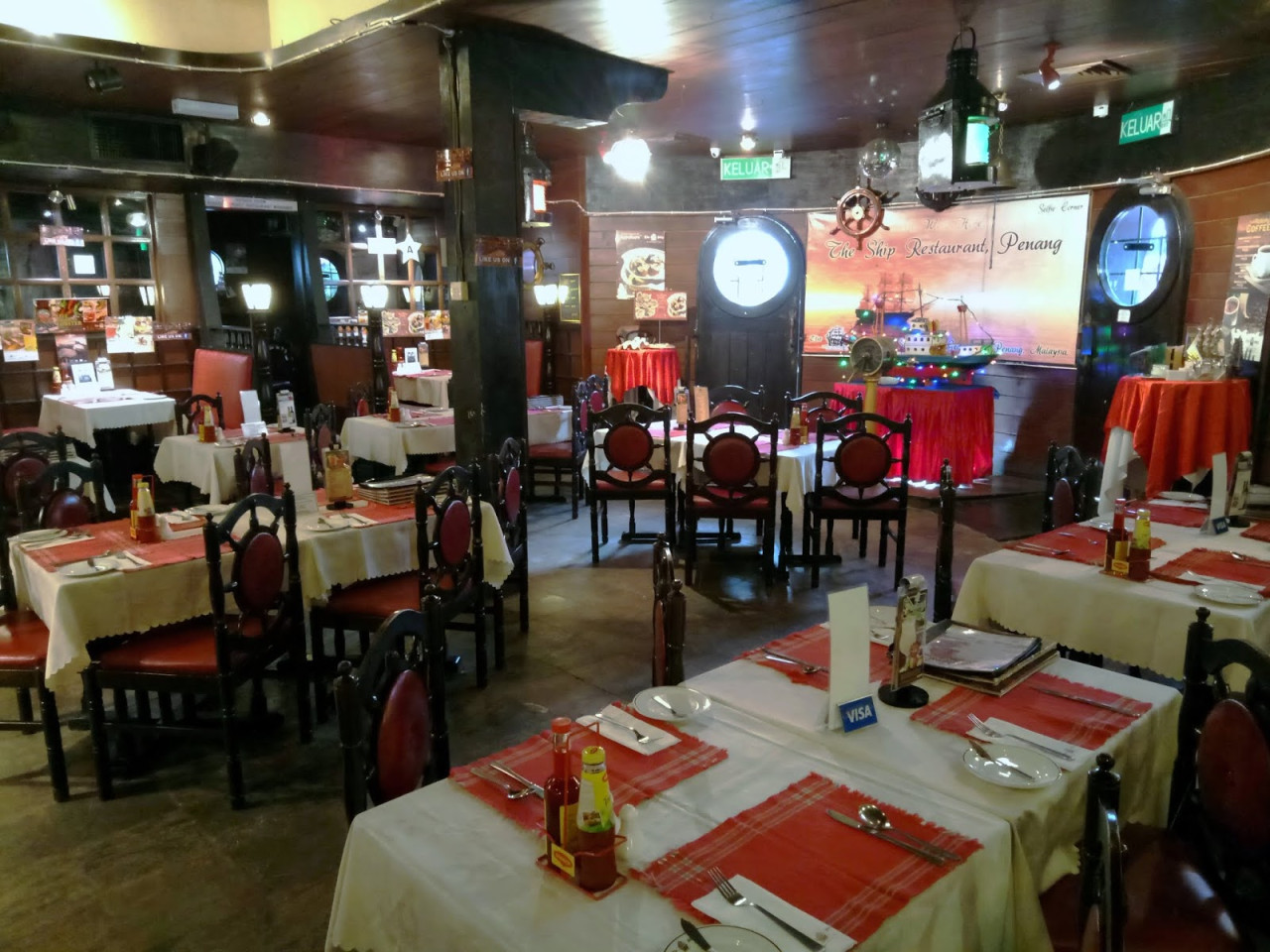
Meanwhile, The Ship, a restaurant specialising in steaks and Western cuisine on Seri Bahari Road, will also close at the end of the month as part of a group restructuring, according to announcements shared on social media.
Former Batu Uban assemblyman S. Raveentharan expressed concern over the closures, calling on state tourism authorities to intensify support for the broader dining scene in Penang.
“We should not just be street food-centric but focus on restaurants and other food and beverage outlets. We need to ensure they can survive the rising living costs spells, which have lingered on after the Covid-19 pandemic,” he said, noting that the ongoing global oil supply crises have further impacted operational costs.
Raveentharan added that the loss of iconic restaurants highlights the need for Penang to attract high-spending tourists rather than focusing solely on backpackers.
“The state needs to pay more attention to those engaged in the food and beverage business and consolidate the food scene among diners and tourists,” he said.
The closures mark a poignant moment for Penang, often celebrated as Malaysia’s culinary capital, as both locals and visitors prepare to bid farewell to two establishments that have been integral to the island’s dining and cultural heritage for decades. - April 8, 2026