MALAYSIA’S festive travel period is unfolding against the backdrop of renewed public health concern following the identification of 10 new tuberculosis clusters as of Feb 7, prompting experts to urge vigilance, early medical consultation and basic preventive measures.
Universiti Malaya Professor of Epidemiology and Public Health Prof Dr Rafdzah Ahmad Zaki told The Star the increase in population movement during festive periods could heighten the risk of disease spread if precautions were ignored, particularly among those already feeling unwell.
“If you are unwell, it is best not to travel but since it is the festive season, many would like to balik kampung and meet their families. So, if you suspect there are symptoms, it is advisable to get yourself checked,” she said.
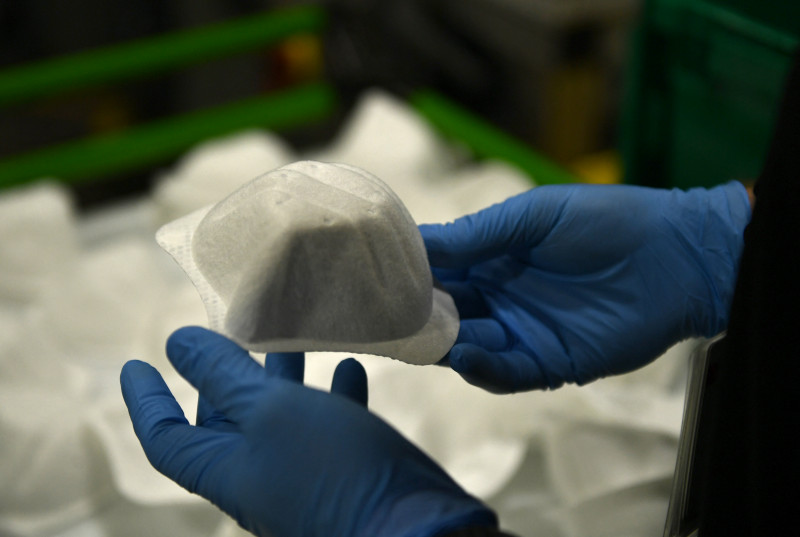
She emphasised that wearing face masks remained a simple but effective measure, especially in crowded and enclosed environments such as buses, trains and aeroplanes.
“The other thing is to wear a mask to prevent bacteria or virus from spreading, especially in public transport. It is not just TB, there are also other kinds of infectious diseases,” she said.
Beyond travel, Dr Rafdzah highlighted the importance of ventilation during social gatherings, noting that poorly ventilated indoor settings could facilitate transmission.
“Since TB is an infectious disease, once you have a case, it will spread if transmission isn’t controlled. Remember, TB’s incubation period is long from the time of exposure to symptoms.
“So when a case is detected, we do more active screening and thus find more cases. The cluster is a reminder that TB has been around us for a while,” she said, adding that the situation called for greater public awareness rather than panic.
The need for early detection was echoed by Federation of Private Medical Practitioners Associations Malaysia president Dr Shanmuganathan T.V. Ganeson, who stressed the role of the Medical Examination Monitoring Agency, or Fomema, in identifying cases early, particularly among workers.
“This is an important public health layer that helps identify cases early and links individuals to care. TB control works best when everyone in the country – citizens and non-citizens alike have access to screening and treatment,” he said.
He cautioned that weaknesses in access to healthcare or reluctance to seek treatment could undermine broader disease control efforts.
“Any gaps in access, coverage, or willingness to seek care can create blind spots for infectious diseases,” he said.
Dr Shanmuganathan also warned that incomplete treatment posed serious risks, both to patients and to the wider community.
“TB control is most effective when individuals diagnosed with TB can complete treatment without interruption. If treatment is disrupted, there is a risk of ongoing transmission and drug resistance,” he said.
He sought to address public misconceptions by clarifying that not all forms of tuberculosis are contagious.
While pulmonary TB affects the lungs and can spread through the air, extra-pulmonary TB involves other organs such as lymph nodes, bones, joints and the spine, and generally does not pose a transmission risk.
“Transmission concern mainly arises with active pulmonary TB, where bacteria can be released into the air. This distinction is important to reduce unnecessary fear or stigma, as a person with extra-pulmonary TB alone does not typically pose a transmission risk to others,” he said.
Health authorities last week reported 33 tuberculosis cases in Kota Tinggi, Johor, with all patients currently undergoing treatment.
Health Minister Datuk Seri Dr Dzulkefly Ahmad told the Dewan Rakyat that Selangor recorded the highest number of new clusters, with four identified, while Johor was also flagged as having a significant cluster.
As festive travel and family gatherings continue, health officials are reiterating the importance of early screening, consistent treatment and basic preventive practices, warning that complacency could allow a long-standing disease to regain ground. - February 11, 2026