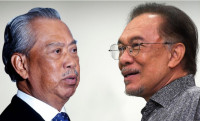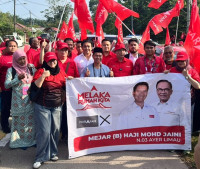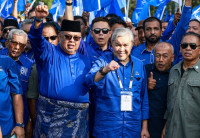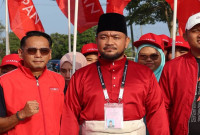
SIX days into the Melaka state election campaign, there has been little of the political hostility that often accompanies a contest of this scale.
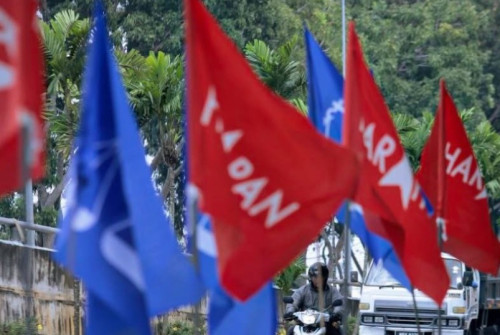
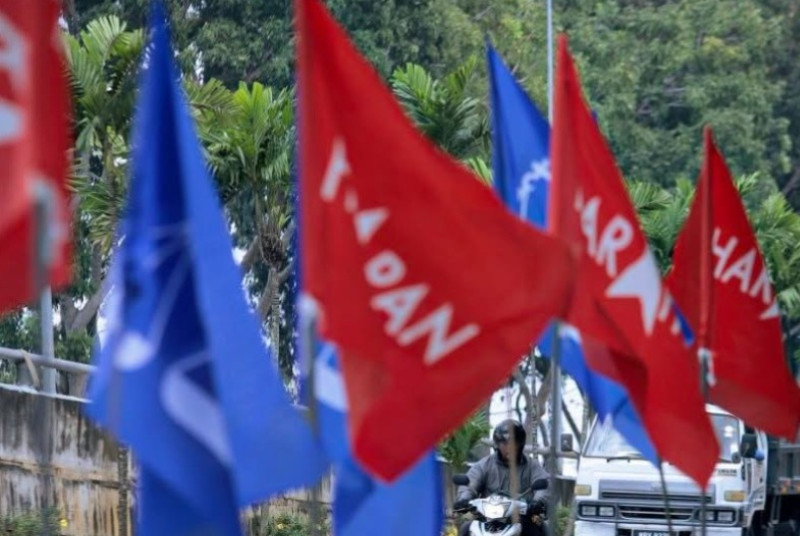
Barisan Nasional (BN), Pakatan Harapan (PH) and Perikatan Nasional (PN) have largely kept their exchanges in check, with no sustained war of words between their leaders or the sort of personal attacks that have become familiar features of Malaysian election campaigns.
Chief Minister Datuk Seri Ab Rauf Yusoh has been keen to keep it that way, telling BN candidates to avoid personal attacks and focus instead on what the state government has delivered during its five years in office.
For an incumbent seeking another term, the approach is understandable.
Ab Rauf wants voters to assess his administration on its record, rather than allow the campaign to be diverted by disputes over personalities.
BN is also defending a commanding position in the state, having won 21 of the 28 seats in the 2021 election. Its challenge now is to persuade voters that its record justifies another mandate.
The relatively restrained campaign, however, may have less to do with a sudden change in political culture than with the mood of an electorate that has been through one election cycle after another.
Political fatigue sets in
The succession of state elections and political contests since the last general election may have taken its toll on voters and party machinery alike.
The familiar spectacle of leaders trading accusations and making personal attacks may no longer carry the same appeal, particularly among voters more concerned with the cost of living, jobs and the performance of their elected representatives.
Some grassroots observers have described the opening days of the Melaka campaign as an anticlimax, with little of the excitement they had expected.
The Deepavali holiday period may also have contributed to the slower pace of campaigning.
But the absence of public confrontation should not be read as a lack of competition.
The parties are still fighting over the same constituencies, voter groups and political ground, even if they have so far chosen not to make their differences the centrepiece of the campaign.
For Ab Rauf, keeping the contest focused on governance offers a clear advantage.
The opposition, meanwhile, must find ways to challenge the administration without allowing its campaign to become a series of exchanges with the chief minister.
BERSAMA breaks from the script
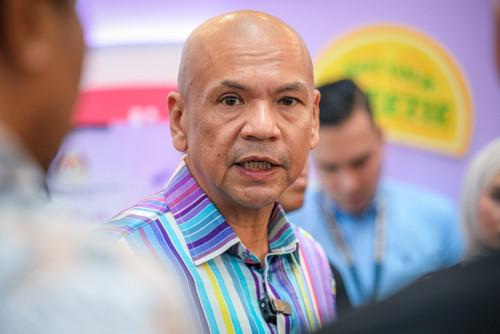
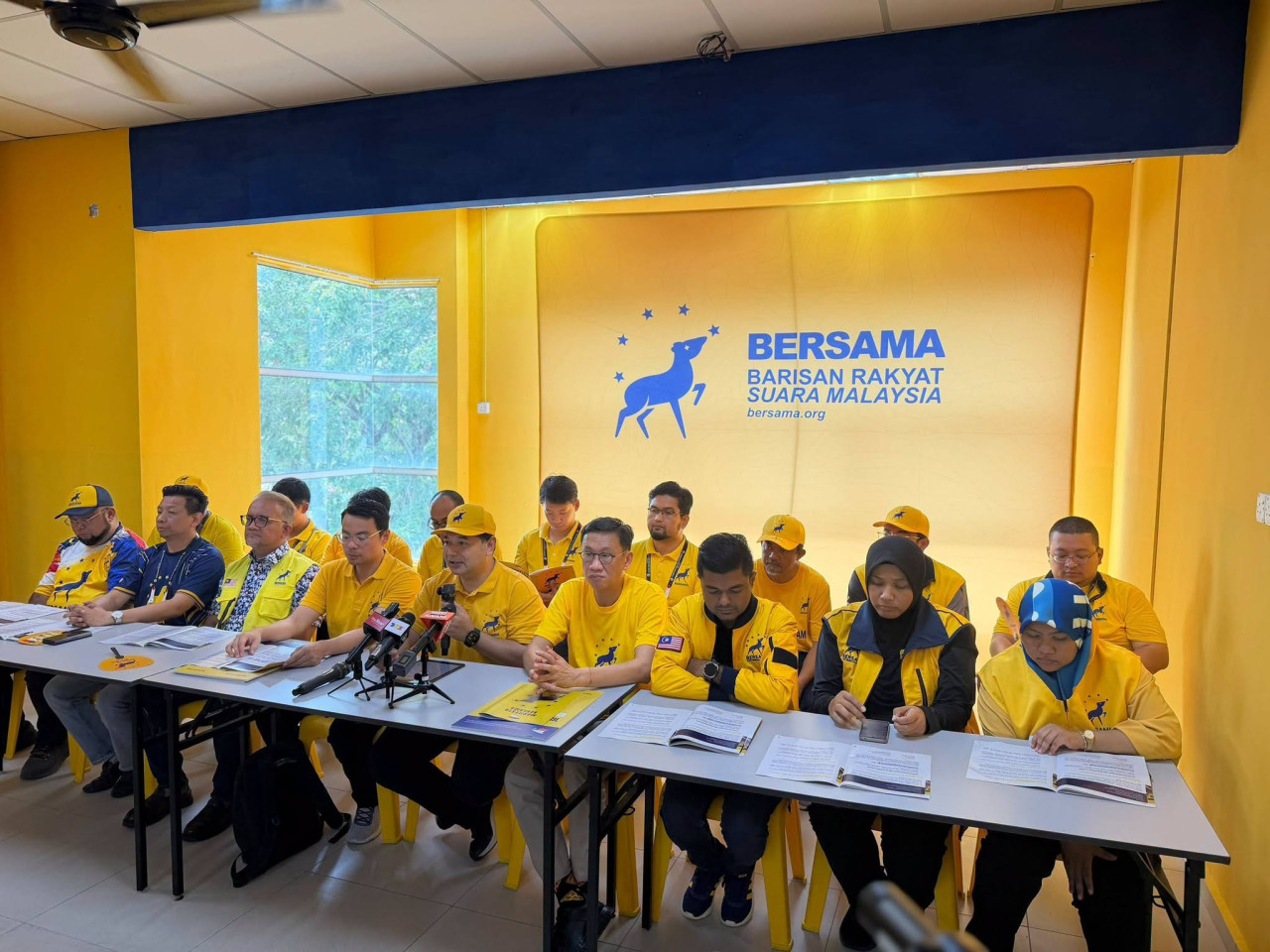
One party that has adopted a more combative approach is BERSAMA, led by former economy minister Datuk Seri Rafizi Ramli.
Fielding 16 candidates, the new party is attempting to establish itself in a state where the established coalitions have spent years building their political networks.
At its manifesto launch, Rafizi chose to direct much of his criticism at the state administration, setting a markedly different tone from the restrained approach adopted by the major coalitions.
As a challenger, BERSAMA has every reason to scrutinise the incumbent government.
But criticism alone will not establish its credentials with voters.
The party needs to explain what sets its candidates apart, what it intends to change and whether it has the local support and organisational strength to compete beyond its national political profile.
That is a particularly difficult task in a state election, where voters often place considerable weight on a candidate’s standing in the constituency and familiarity with local issues.
BERSAMA’s performance will offer an early indication of whether its political message can translate into electoral support beyond its existing circle of followers.
A quiet race is still a contest
The established coalitions face their own challenges.
BN cannot rely solely on its 2021 victory or the stability of the state administration. PH and PN, for their part, must show that they have a credible alternative to offer, rather than depend on national political sentiment to carry their candidates.
The coming days will be more revealing as campaigning intensifies and candidates spend more time engaging voters directly.
It will also become clearer whether the restrained approach can hold or whether sharper exchanges emerge as polling day draws closer.
For now, Melaka’s campaign has offered a departure from the confrontational politics that often dominate election season.
That is no bad thing. But voters are not going to the polls simply to reward parties for keeping their tempers in check.
They want to know what has been done, what remains unfinished and what each side intends to do differently.
In the end, the 687,697 registered voters will judge the parties on those answers, not on how quietly they conduct their campaigns. – November 6, 2026