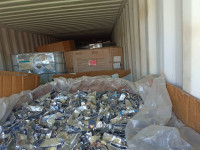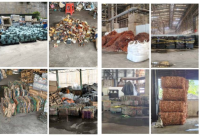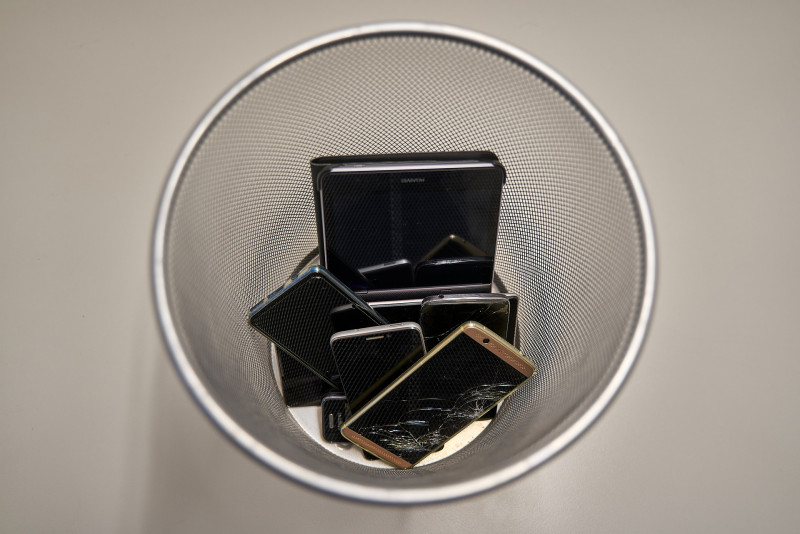
KUALA LUMPUR – With the growing dependence on electronic devices and gadgets, Malaysia’s pile of electronic waste (e-waste) is also growing bigger.
Based on mobile services subscription figures, e-waste generated by mobile phones is expected to rise further with many Malaysians now owning more than one phone each and changing them frequently for new models.
According to World Bank statistics, Malaysia’s cellular service subscriptions ballooned to 44,600,700 in 2019 from10,817 in 1986.
The Department of Environment (DOE), through its studies, provided the following e-waste estimates for mobile phones and refrigerators between 2010 and 2020: 2010 (74,252 metric tonnes); 2011 (61,930); 2012 (60,333); 2013 (62,403); 2014 (64,280); 2015 (65,992); 2016 (67,760); and 2017 (69,543).
It then rose to 71,355 metric tonnes in 2018, followed by 73,211 metric tonnes in 2019 and 75,115 metric tonnes last year.
The DOE’s e-waste estimates for television sets, personal computers, and rechargeable batteries saw a sharp rise from 463,866 metric tonnes in 2011 to 832,692 metric tonnes in 2020.
Its e-waste estimates for air-conditioners and washing machines rose from 172,281 metric tonnes in 2010 to 211,348 metric tonnes last year.
Toxic materials
E-waste has to be disposed of properly because allowing them to end up in landfills can pose serious threats to public health and the environment.
Associate Prof Dr Ahmad Fariz Mohamed, a senior fellow of the Institute for Environment and Development (Lestari) at Universiti Kebangsaan Malaysia, said many people dispose of their old mobile devices by dumping them in the garbage bin or putting them away in a cupboard or drawer at home.
He said while disused devices stored at home do not pose any risk to one’s health or the environment, the same cannot be said of phones that are dumped indiscriminately.
The components of mobile phones are made from materials such as plastic and metals, as well as chemical substances and minerals.
According to Ahmad Fariz, among the toxic metals and chemical substances often used in making the components are chromium, mercury, cadmium, lead, beryllium, phthalates, polyvinyl chlorides, brominated flame retardants, and antimony.
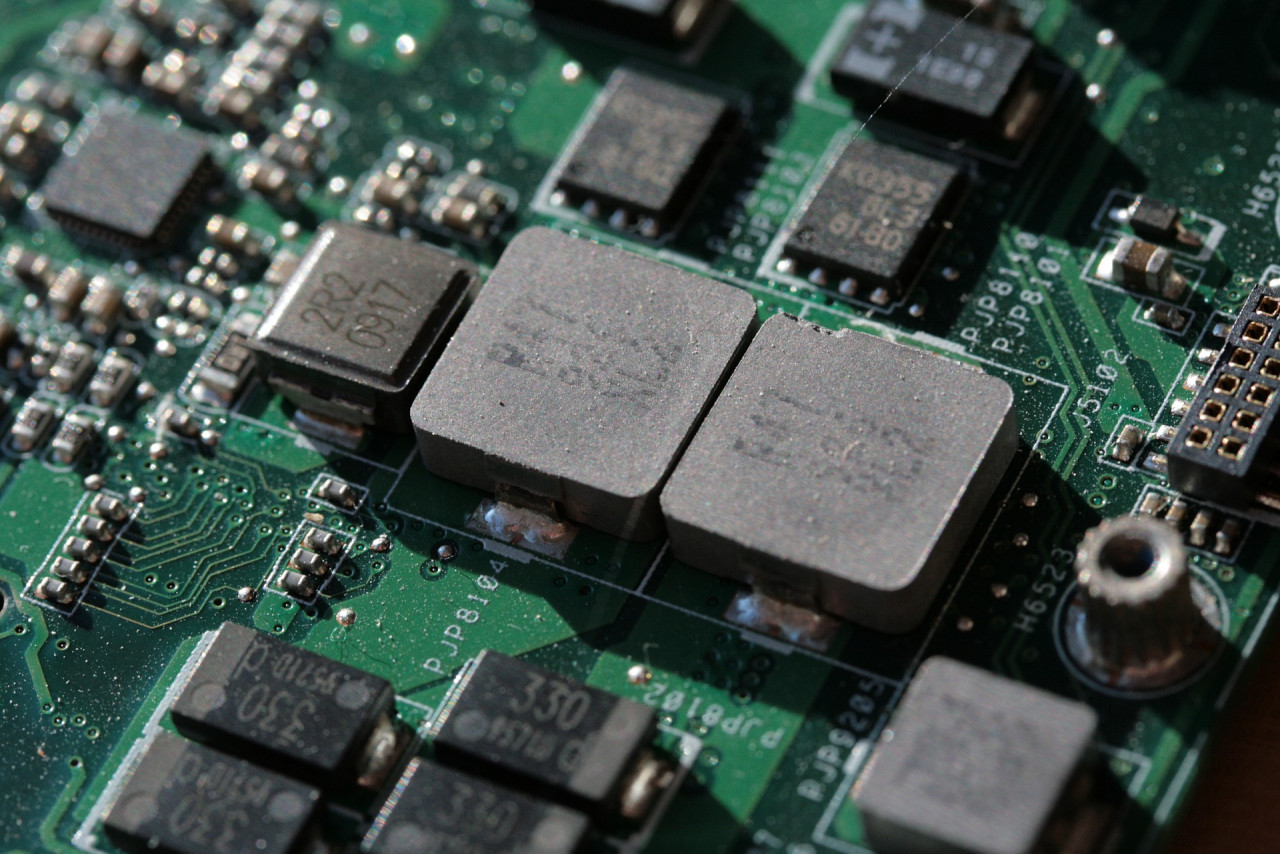
“When exposed to heat and rain, the toxic materials from the devices can seep into the surroundings which can impact human health and the environment,” he said, adding that faulty or disused devices should be disposed of in accordance with the methods prescribed by the authorities.
He said when e-waste is thrown away in landfills, the degradation process will see toxic substances seeping into the ecosystem and underground water.
“Once the ecosystem is polluted, the drainage system and rivers will become contaminated as well. Humans too will be impacted when they drink the water or use it for agricultural or livestock farming activities,” he added.
He said the toxic substances that seep into the ground will affect the soil quality and also contaminate agricultural produce if the area is used for farming activities.
Proper disposal
Pointing out that the most effective way to manage e-waste is through recycling, Ahmad Fariz said disused electronic products should be sent to designated sites or centres that possess the necessary infrastructure, equipment, and system to prevent leakages of toxic substances before they are sent for recycling or disposed of in special landfills.
“Recycling will ensure that a large part of the e-waste doesn’t end up in landfills,” he said, adding that the e-waste recycling industry will not only prevent pollution but also provide economic and social benefits.
However, he said, recycling e-waste is not a simple matter as it requires certain technologies and systems to ensure the recycling process does not impact the environment and public health.
He said in Malaysia, efforts to recycle e-waste are already underway and to date, the DOE has issued licences to 21 e-waste collection centres to collect and recycle electronic products more systematically.
The centres are located in Kedah (two), Penang (seven), Selangor (one), Melaka (three), Johor (six), Negeri Sembilan (one) and Sarawak (one).
E-Waste is listed as scheduled waste under the Environmental Quality (Scheduled Wastes) Regulations 2005.
Waste to wealth
Meanwhile, Universiti Putra Malaysia Faculty of Forestry and Environment senior lecturer Dr Mohd Yusoff Ishak said the time has come for Malaysia to enforce the ‘waste to wealth’ concept or circular economy system to eliminate waste and ensure the continual use of resources.
“In a circular economy, every item that has reached the end of its lifespan serves as an input in another cycle. Take, for example, food waste which can be turned into compost and used as fertiliser,” he said.
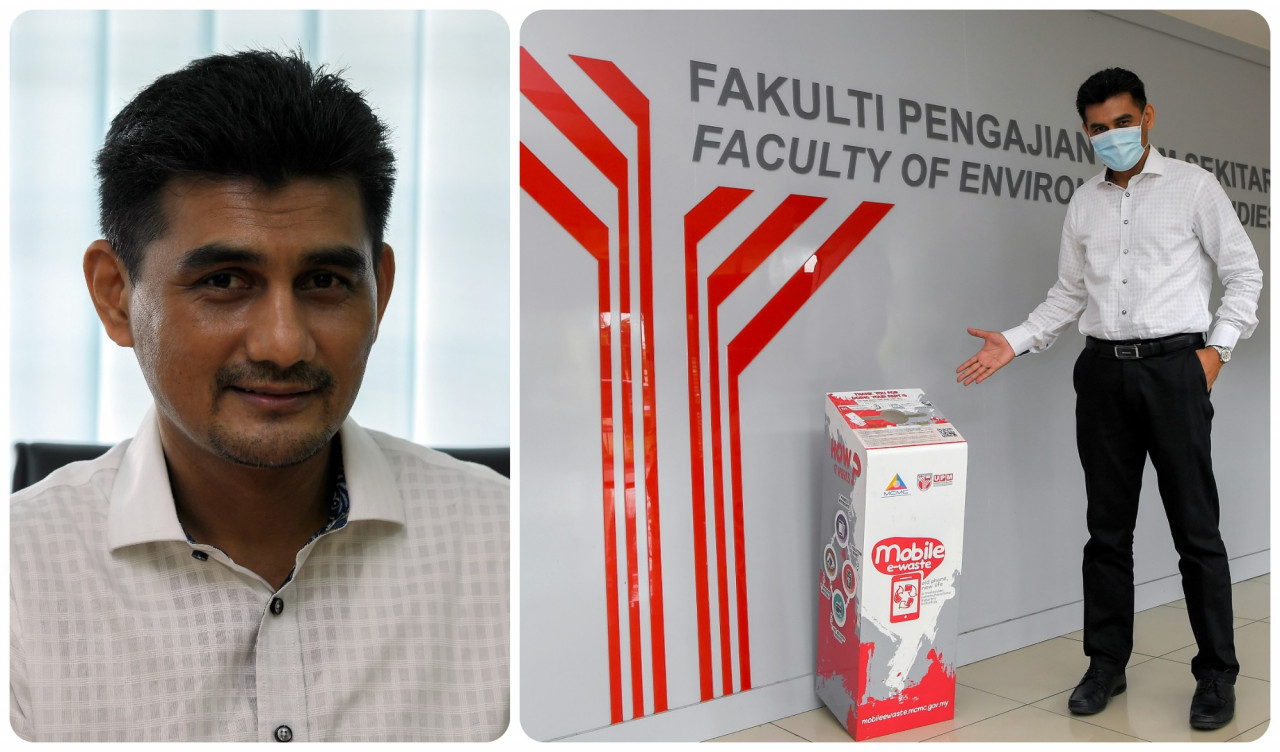
In the same way, used mobile phones can be sent to designated sites that manage e-waste and serve as inputs for other industries such as those involved in urban mining. Urban mining is the practice of extracting valuable metals and materials from e-waste.
“The mobile phone’s battery, for instance, has electronic components that can still be used. In fact, a little bit of gold plating is used in some of the components in the battery.
“If 26 million phones are sent to a factory for recycling in Malaysia, just imagine how much gold can be extracted from the components,” he said.
Mohd Yusoff also suggested that new legislation be introduced to make it compulsory for mobile phone producers to buy back the devices at the end of their lifespan.
“So besides thinking of new models to produce, the producers need to think about the fate of their older models. This is something they have to be concerned about. This concept is not new as it is practised in other countries,” he said, adding that to motivate users, rewards should be offered to those who send their old phones to recycling centres. – Bernama, April 22, 2021