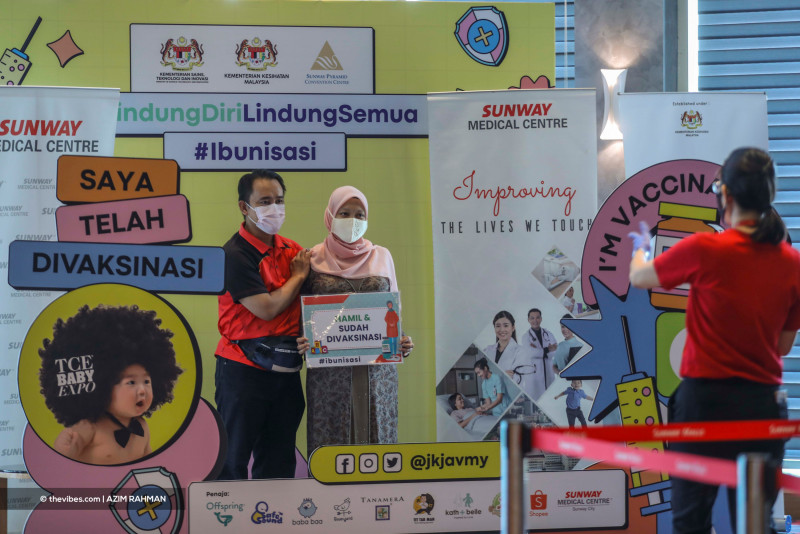

WOMEN going through pregnancy – or are whom are planning to – are already at a heightened state of ensuring their health is in check, but why is it that when it comes to fighting the Coronavirus, do we still have concerns on how safe vaccines are?
There are two common reasons: the lack information and the reliability of the information itself.
In our efforts to keep our readers informed, we spoke to Dr Natasha Ain Mohd Nor of KL Fertility & Gynaecology Centre, to address common questions when it comes to the Covid-19 vaccines, pregnancy and fertility.
The challenge behind sourcing information on vaccines
“Firstly, all the information that doctors are keeping a close eye on are of course based on reports/studies taking place where updates are continuous,” shared the fertility specialist.
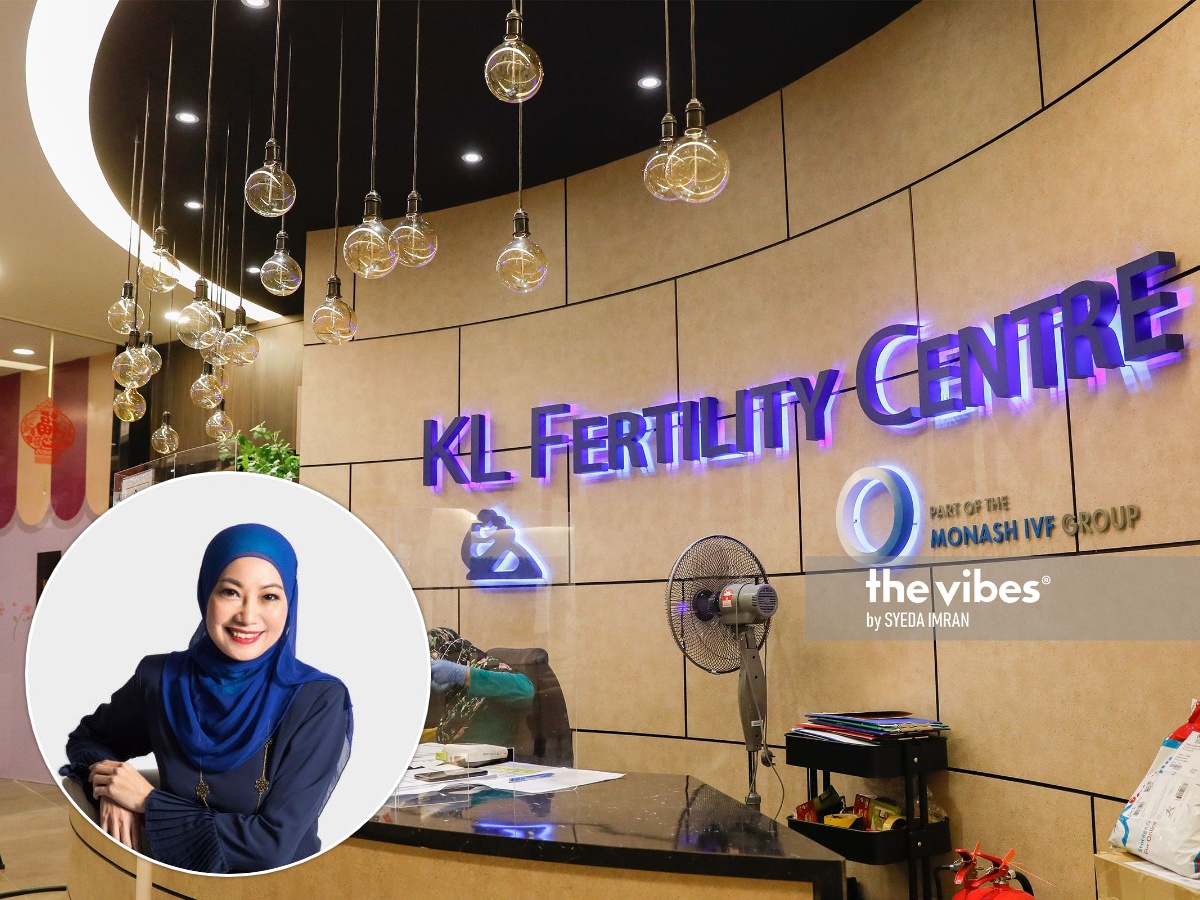
“If you were to come in with queries last year (in March for instance) when the pandemic first hit, concerns among pregnant women and how the Covid-19 vaccines would affect their condition would not be met with appropriate certainty due to living in unprecedented times.
“Today, more information has been revealed with the most up-to-date guideline(s) based on what we know about the vaccines, previous experiences with the vaccines available, particularly on the immediate effects.”
Natasha added that although not all questions are being answered, we have more visibility than compared to one year ago.
“But to pin down that the vaccine is 100% safe with zero implications, that requires us to study the long-term effects of vaccination (i.e. on the baby / whether it has links to causing autism), which would take another 5-15 years down the road to know for sure,” she noted.
For the purpose of the article, the discussion focused on the guidelines from the Ministry of Health (MoH), Malaysia, as well as overseas.
According to MoH’s Guidelines on Covid-19 Vaccination in Pregnancy and Breastfeeding, pregnant mothers are considered vulnerable and are susceptible to severe Covid-19 infections, especially in the second and third trimester.
It is best to understand that protecting pregnant mothers who are vulnerable, especially those with identifiable risk factors, remains a health care priority for the vaccination process
“A lot of doctors and guidelines available today are recommending those who are trying to get pregnant to get the vaccination because the benefits outweigh the disadvantages,” expressed the fertility specialist.
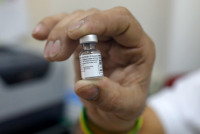
“The three major vaccines that are currently being administered such as Pfizer, AstraZeneca and Sinovac do not affect the quality of the eggs and sperm, which a lot of people are worried about.
“Although with AZ, there is a known complication of thrombosis (blood clotting), cases pertaining to this are considered rare.”
MoH's guidelines clearly emphasises that Covid-19 vaccination should be advocated in pre-pregnancy care, especially for frontliners and mothers with identifiable risk factors and those seeking infertility treatment.
Another key recommendation noted that although most pregnant mothers are asymptomatic, the need for ICU admission and mechanical ventilation is higher, particularly with infections by the newer Covid-19 variants.
Severe infections in pregnancy are associated with higher risk of pulmonary embolism, iatrogenic prematurity, stillbirth, and maternal mortality.
Is the Covid-19 vaccination safe in pregnant women?
The Joint Committee on Vaccination and Immunisation (JCVI) advises that it is preferable for pregnant women (in the UK) to be offered the Pfizer-BioNTech or Moderna mRNA vaccines, where available.
This is because these vaccines have been given to over 130,000 pregnant women in the US and the data has not raised any safety concerns.
In the ‘Preliminary Findings of mRNA Covid-19 Vaccine Safety in Pregnant Persons’ issue, much-needed preliminary data was provided on the safety of these vaccines in pregnancy on the basis of the v-safe surveillance system and pregnancy registry.
V-safe, a new smartphone-based surveillance system from the Centers for Disease Control and Prevention that is available to all Covid-19 vaccine recipients in the US, sends text messages to assess general health and pregnancy status during a period of 12 months after vaccination. Persons who identify as pregnant can enrol in the v-safe pregnancy registry, which contacts participants by telephone to answer in-depth questions.
The report by Shimabukuro, et al., includes safety results for 35,691 v-safe participants, 16 to 54 years of age, who identified as pregnant and the first 3,958 participants who enrolled in the v-safe pregnancy registry.
In both cohorts, 54% of the participants received the Pfizer–BioNTech vaccine and 46% received the Moderna vaccine. The age distribution, status with respect to race and ethnic group, and timing of the first dose were similar with each vaccine.
Among v-safe participants, 86.5% had a known pregnancy at the time of vaccination, and 13.5% reported a positive pregnancy test after vaccination. Among v-safe pregnancy registry participants, 28.6% received vaccines in the first trimester, 43.3% in the second trimester, and 25.7% in the third trimester.
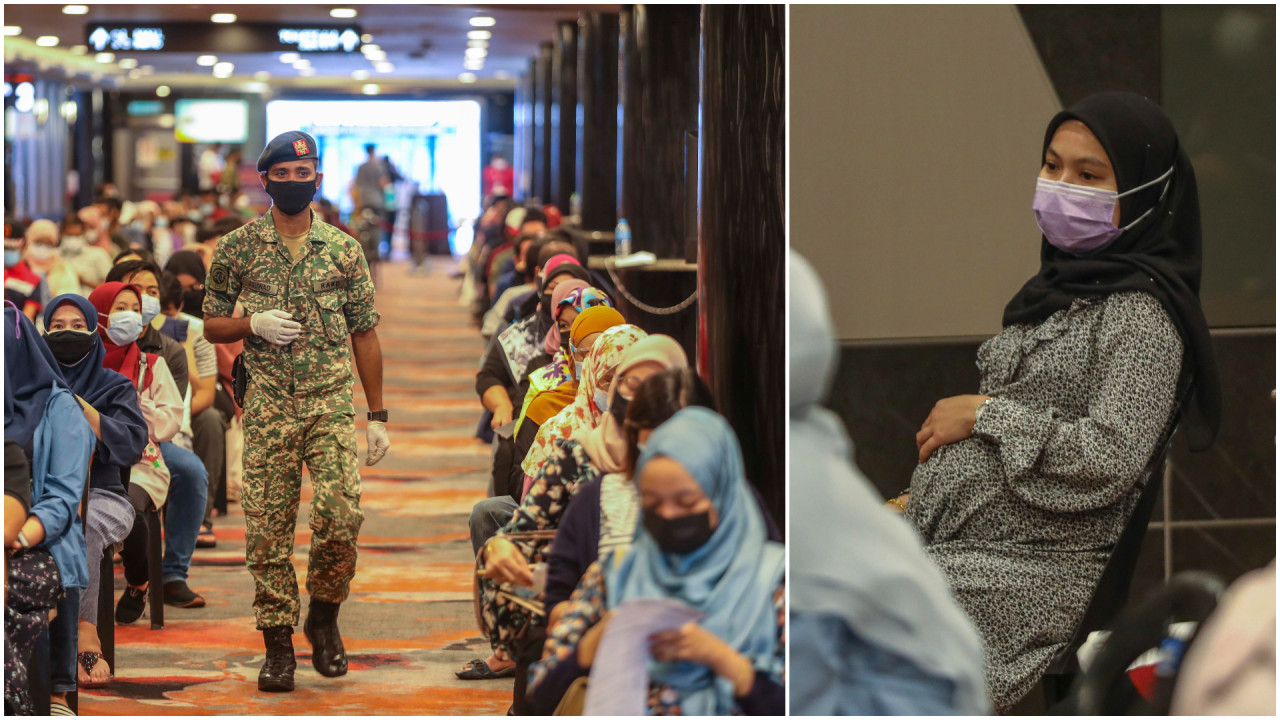
“A lot of people will want to know with regards to the efficacy of the vaccines, specifically on antibody levels – whether having two vaccine doses is enough or not – but this remains to be understood where information pertaining to it is ongoing,” highlighted Natasha.
“To see how effective the vaccines are can probably take time. This comes as a concern because in some cases, they can still be Covid positive despite taking two doses already.
“But the consensus to this, depending on when you were fully vaccinated, the infection would not be as severe, and you can help to reduce the spread of the disease,” she added.
With regards to mixing various types of vaccines and intervals, the matter is still being evaluated. As clinical practice, the MoH guideline states that it is best to administer a similar type of vaccine, especially among pregnant and breastfeeding mothers, until further evidence is available.
“I must highlight that we are now at this stage where we need to basically vaccinate people regardless.
“Obviously there are some people who are sceptical over Sinovac not being as good as other available vaccines but with the current situation, you are not going to be able to choose.
“We wish we had the answer but now we are racing against time in getting the vaccination rates up.”
The doctor also shared her thoughts on where the bottleneck is when it comes to containing the spread of the virus, where MoH should work at looking into communities who are experiencing accessibility issues, and more importantly the immigrant population, “... which are not even visible to our radar”.
Still wondering if you should be vaccinated or not?
“From the responses I see of patients coming in for consultation, a lot of them have moved away from the sort of perception where initially they are scared to take vaccines because they are uncertain about the side effects. In fact, most today are looking to get vaccinated,” highlighted the fertility specialist.
“Those who are still sceptical may not be fed with sufficient information to get them the assurance they need. Hence, go back to the guidelines mentioned.
“This group of people labelled as anti-vaxxers is quite small and I can see that in the future – because we are just so scared of the virus and how contagious it is – they will be more confident especially when 80% of our population has been vaccinated where eventually like it or not, they need to get vaccinated.”
What is implied is that at this point, being vaccinated is seen as a ticket to get things back into order, without the risk of spreading the disease and worsening existing public health conditions further.
On whether it would be best for those trying to conceive, and decide not to be vaccinated, to hold their pregnancy plan: “If you are still unsure about getting the vaccination, perhaps we need to weigh between the advantages and disadvantages as mentioned”.
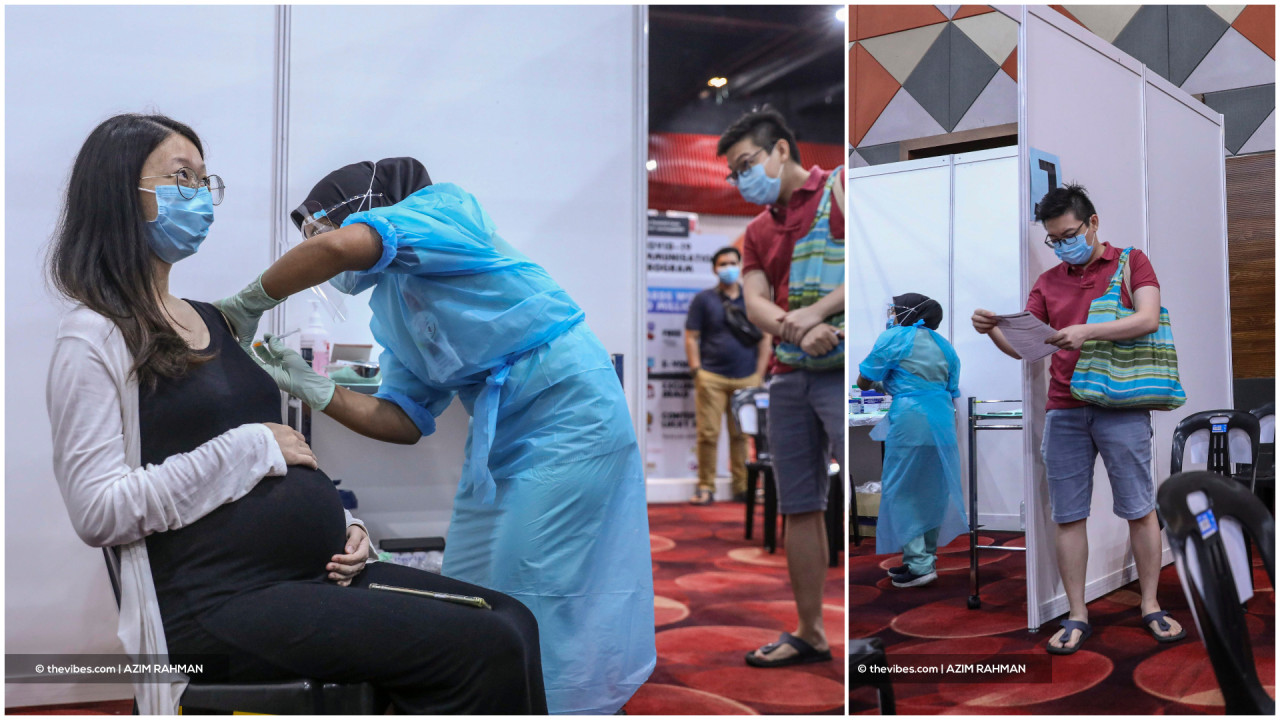
“As vaccination seems to have more advantages regardless of whether you are actively trying to get pregnant or not, getting vaccinated will be a priority as your health is our main concern. Do discuss further with your doctor if there are any concerns,” stressed Natasha.
“Looking at the current high number of Covid cases with emergence of Delta variant, extra precaution and deferring of fertility treatment to complete your vaccination will need to be considered”.
She also helped to list out the notable recommendations pertaining to the discussion, among them:
- American Society of Reproductive Medicine does not recommend delaying pregnancy attempts because of Covid vaccination, including those undergoing fertility treatment.
- European Society of Human Reproduction and Embryology suggests postponing assisted reproductive treatment only a few days after completing maybe the second dose, to allow time for immune response.
- MoH recommends postponing up to two months after taking the second dose of vaccine, where Natasha claimed that the guideline is seen as taking the most precautionary step.
“There is definitely a difference in the intervals, some guidelines have even noted that it is okay to take the vaccines in between IVF procedures (egg pickup and transfer), but to look at things more sensibly, the longer intervals is to help monitor the side effects such as fever after taking the vaccine – some people may be more prone to it, some may not,” said Natasha.
Quit being weaponised by anti-vaxxers and focus on the reality
In a separate interview, an active duty doctor in one of the designated Covid-19 hospitals in Selangor highlighted that recorded maternal deaths pre-Covid were as low as one or two cases per year.
“This has increased where two to three cases of maternal deaths were noted within 24 hours a week, with a total of 5 last month alone with the youngest being 25-years-old.
“These pregnant patients that come in after being tested positive are mostly those who are not yet vaccinated or just completed their first dose,” shared the doctor choosing to speak anonymously with The Vibes
Sharing that the paperwork, or the procedure of recording maternal deaths, is an intensely thorough process, “... there will be maternal mortality meetings conducted by the hospital board every time there is a death reported as this would then inform the ministry of the totality.”
“The attention to it is usually given special care due to sensitivities. A post mortem is usually advised as it is considered very important to confirm the exact complication leading to the death. However, this is often refused by the spouse or family members”.
The doctor noted that before the pandemic, maternal mortality is tallied monthly at district level for the meetings.
“After the pandemic, the numbers go straight to Selangor Health Department (JKNS) and Putrajaya”.
While the maternal mortality ratio for this year is still being actively gathered, we can assume that the statistics will show a significant increase since the outbreak of the pandemic, no thanks to the complications caused by the virus attacking the respiratory system.
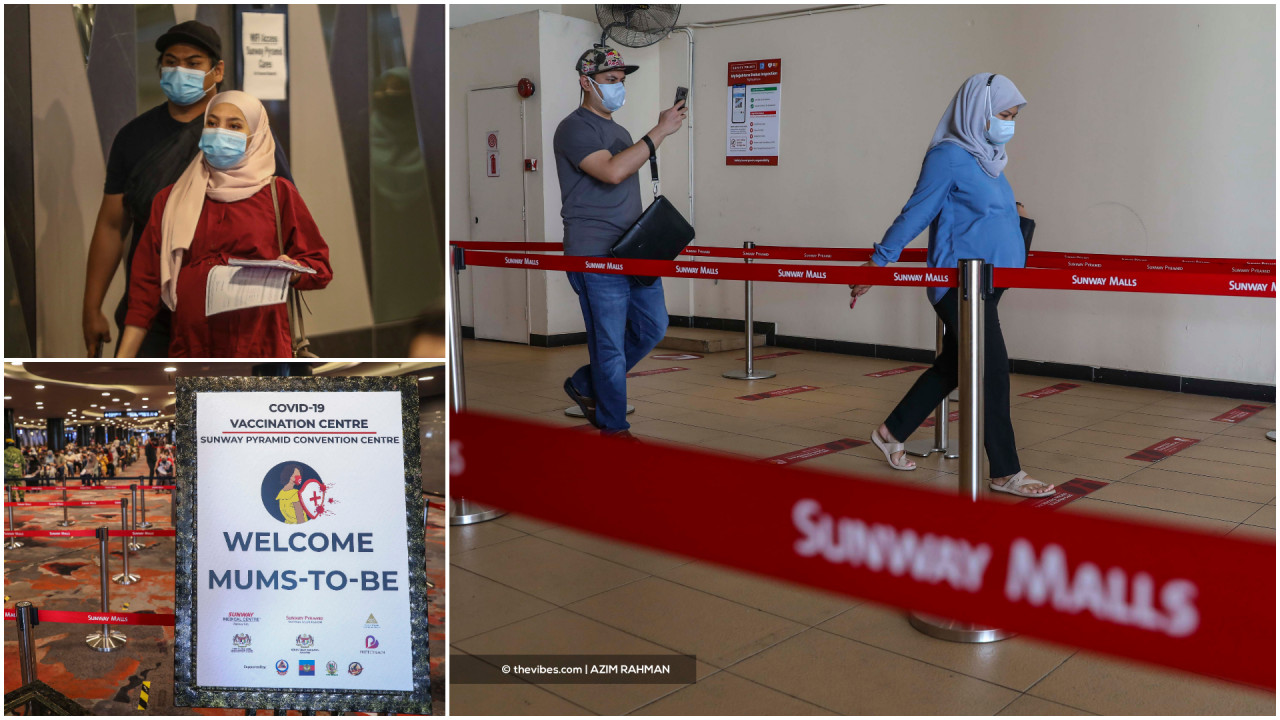
To date, we have yet to receive the statistics for maternal death relating to the pandemic via existing searches. The writer will follow closely on the developments relating to the topic and update accordingly, once new information surfaces.
“Being pregnant itself is a heightened risk factor to being infected with Covid-19 where pulmonary embolism (a blockage in one of the pulmonary arteries in your lungs) is not uncommon in pregnant women,” shared the doctor.
“When you are pregnant, the womb allows for the lungs to compress in a sense to accommodate the baby. Obstruction of blood flow to the lower extremities can occur, leading to what is called a deep vein thrombosis.
“Depending on the patient’s lung damage, the decision to incubate (introducing a breathing tube into the trachea for mechanical ventilation) or even removing the baby prematurely so the expectant mother’s lungs can expand properly is a possible reality,” she added.
Although the doctor acknowledges that the Covid-19 vaccination is seen as a choice and not set as mandatory at the moment, she stressed that a lot of people cannot afford private healthcare in getting immediate specialist care.
“It’s best to not get yourself pregnant in this situation if you are stubborn because our hospitals are at full capacity.
“Even elective surgeries of patients who are dealing with other types of conditions not related to Covid-19 are delayed or asked to be postponed to accommodate the pandemic situation.
“Most of the positive cases are traced due to the lack of care when it comes to maintaining social distance. Basically they don’t follow the SOPs set.
“There was even a case where a patient, after being tested positive, infecting her partner and the whole family as a reason to spend time before going into quarantine."
‘Don't hesitate, just vaccinate’
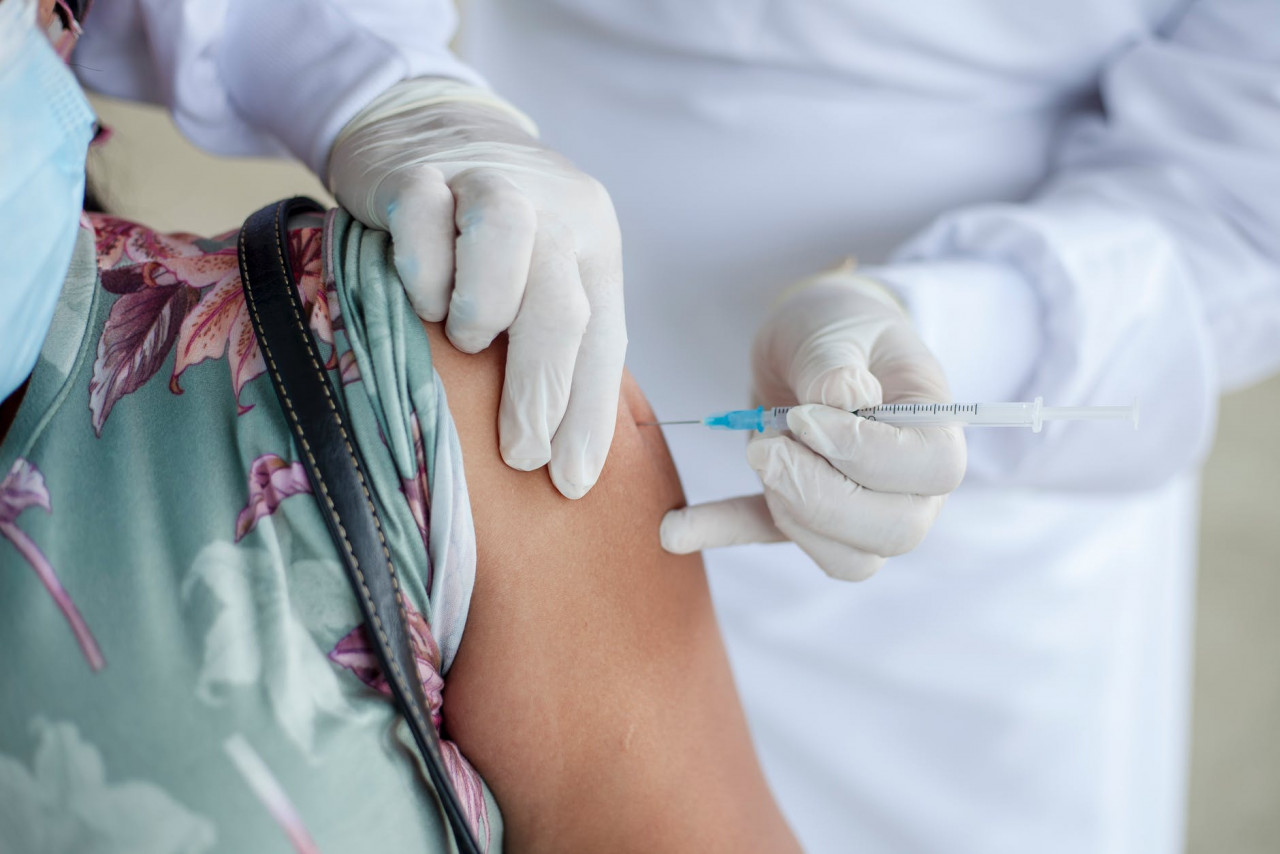
Going back to the discussion with Dr Natasha on vaccine considerations, she notes, “As a fertility doctor, I would ask patients when their vaccination dates are, pushing it as a priority, then schedule the ongoing treatments appropriately.
“Even for patients who have yet to register, I would encourage them to do so and will plan accordingly where in some cases, they do not even require any delays”.
Responding to the concern on the frequency of Covid booster shots, how many times for certain are the injections going to take place, and if it has the potential to disrupt fertility plans: “I will always share with my patients to take one step at a time”.
“If you never had your first vaccine dose, please go ahead and do so. If you have not completed your second, please take your second.
“The rest who have been fully vaccinated, we will see the long-term research and follow ongoing developments before worrying about the third and fourth dose (if any).
“Avoid thinking about booster shots if you haven’t even considered the first dose, and don’t get into the vicious cycle of going into the rabbit hole where you confuse yourself in the process."
Stressing her point again: “Look at the advantages of getting vaccinated versus the risks of not and base your decisions by keeping informed with the guidelines available”. – The Vibes, August 2, 2021
*List of readings/guidelines on Covid-19 vaccines recommended by fertility specialist Natasha Ain Mohd Nor:
- MoH Guidelines on Covid-19 Vaccination in Pregnancy and Breastfeeding
- Royal College of Obstetricians and Gynaecologists (RCOG) Covid-19 vaccines, pregnancy and fertility
- Royal College of Obstetricians and Gynaecologists (RCOG) Covid-19 vaccines, pregnancy and breastfeeding
- New England Journal of Medicine (NEJM) mRNA Covid-19 Vaccines in Pregnant Women
- Yes, You Should Get the Covid Vaccine Even If You're Trying to Get Pregnant, Here's Why