Health

From chips to cosmetics, how paprika is set to spice up life

The spice has anti-oxidant, anti-inflammatory and anti-depressant properties

Updated 5 years ago · Published on 27 Oct 2020 8:00AM

From chips to cosmetics, how paprika is set to spice up life
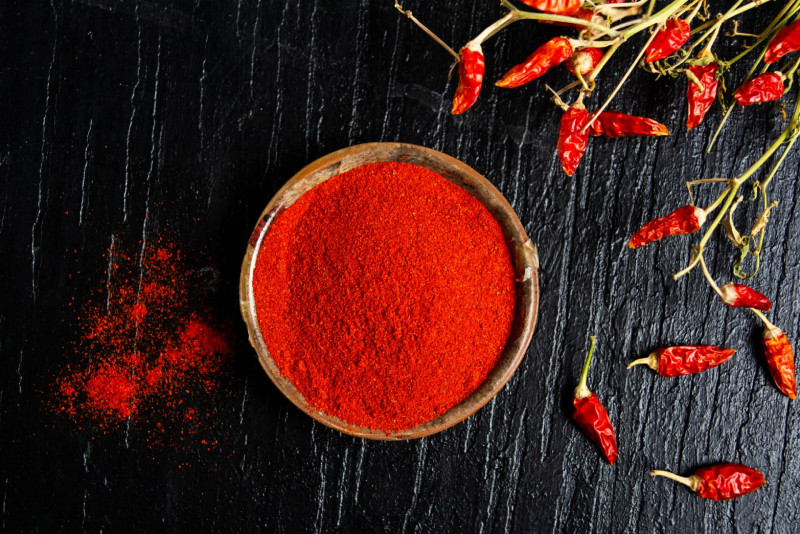
The global market for paprika is expected to grow by almost 6% by 2026. – ETX Studio pic, October 27, 2020

PAPRIKA is set to spice up our lives with global market growth of nearly 5.8% by 2026, according to researchers in the US, who foresee an increased appetite for this mildly spicy condiment. As well as being used in food, the spice is likely to make its way into some unexpected products, like day creams and medicines. 

Some of paprika's medicinal virtues are already known, such as its power to unblock sinuses or to clean the pores of the skin. However, the spice appears to have many other properties, from anti-oxidant to anti-inflammatory and even anti-depressant. Manufacturers are increasingly looking to these qualities, with a slew of new cosmetics in the pipeline, according to a report from Research & Markets. According to the analysts, demand for paprika is set to grow in the coming years, especially due to the recently discovered anti-bacterial and anti-fungal properties of the ingredient.

And when it comes to food, consumer demand for spicy flavors is also likely to drive demand for paprika. In 2019 alone, the global paprika market accrued almost US$458.1 million. The spice could also find use as a natural coloring agent for new foodstuffs. 

Where does paprika come from? 

Whether for marinades, adding flavor to a bowl of cooked rice or for tandoori chicken, paprika is a spice-rack essential. But did you know that the spice is made from a type of pepper originating in the Americas? Its mildly spicy flavor was introduced to Europe by Spanish colonists.

However, paprika is now also made in Hungary, where it is used to flavor traditional dishes like goulash. The Hungarian population developed a taste for paprika during the Napoleonic wars, when it was used as a substitute for pepper, an inexpensive way to add flavor to dishes.

In Serbia, the ingredient is celebrated every fall in the village of Donja Lokošnica, in the south of the Balkan country, where life revolves around these little red peppers. – ETX Studio, October 27, 2020

Related News

People / 2w

Prevention and early detection vital to reduce NCD rates, says Penang Exco

Malaysia / 2w

Sarawak deputy premier warns of increasing threats of vaping

Malaysia / 2w

Haze: MOH issues strict guidelines to ensure public health

Malaysia / 1mth

Dr Noor Hisham denies claims that the Pfizer vaccine caused deaths

Malaysia / 2mth

Child safety a priority in facing the increasingly worrying haze threat

World / 5mth

Trump's health: Weighs 108kg, heart age 14 years younger, hands bruised from frequent handshakes – Doctor

Spotlight

Business

Ringgit gains as oil prices plunge on hopes of Iran conflict de-escalation

Events

UKM to establish academic research platform named after Dr Wan Azizah

Malaysia

Deepavali preparations destroyed as flash floods inundate Sungai Buloh homes

Malaysia

Melaka polls: Calm campaign puts focus on what parties can offer voters

Malaysia

Anwar challenges Hadi over ‘Dajjal’ label

Malaysia

Shuhaily remains AKPS chief pending official transfer order, says lawyer

Malaysia

Najib's former wife Tengku Puteri Zainah passes away

Malaysia

Matrade exposes scam involving fake procurement orders, advance payment demands

By Alfian Z.M. Tahir

Malaysia

“Don’t panic,” Govt assures stable essential goods supply amid geopolitical tensions, monsoon threat

You may be interested

Community

AWS targets 445,000 civil servants in nationwide AI drive

By Alfian Z.M. Tahir

Community

Mother’s 30-minute wait for mall lift highlights plight of parents with strollers

By Alfian Z.M. Tahir

Events

Focus Point expands into premium eyewear market with new Johor Bahru outlet

By Alfian Z.M. Tahir

Events

UKM to establish academic research platform named after Dr Wan Azizah