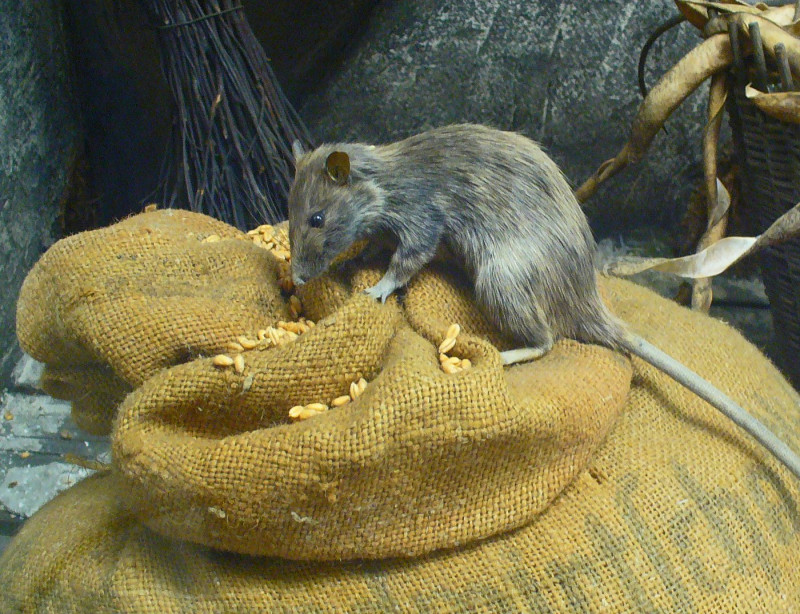
RODENTS are well-known reservoirs of disease, and our lives will increasingly intersect as our shared environment warms.
American historian Henry Adams, once wrote “Chaos often breeds life, when order breeds habit”. Yet it is truly humankind’s bad habits that have placed us on the path toward ruin.
One potential source of our downfall is zoonoses (infectious diseases spread from animals to humans), which are becoming more prevalent as we encroach further into their natural ecosystems and impact entire ecosystems via climate change.
The Covid-19 pandemic shows just how serious these pathogens can be. And among wildlife, rodents are well known as dangerous reservoirs of zoonotic pathogens.
Historical accounts of the Black Plague estimate it killed up to 60% of people in Europe in just seven years, while more recent deadly outbreaks of hantavirus and arenavirus (Lassa Fever) infections cemented the reputation of rodents as one of the most filthy animals.
Infection can occur in a number of ways, from direct rodent bites, bites from rodent fleas, touching infected rodent excrements or simply from breathing contaminated air.
More recent rat-fueled zoonotic outbreaks include pulmonary syndrome, haemorrhagic fever with renal syndrome, leptospirosis, arenavirus, lymphocytic chorio-meningitis, rat plague and rat typhus fever.
Climate change has influenced the distribution and size of rodent populations. The displacement of wildlife from their natural habitats due to human activities such as deforestation, expansion of urban sprawl and poor sanitation continues to fuel zoonotic outbreaks.
According to research based on existing peer-reviewed studies, three main climate factors: rainfall, temperature, and humidity, have influenced the infections of hantavirus in Latin America and the Caribbean.
There is strong evidence of hantavirus disease being linked to high levels of rain and habitat type factors, but its relationship to temperature and humidity is still unclear. The interaction of climate and hantavirus diseases in these areas is complex due to missing gaps in data, unknown identities of all animal hosts of the virus, the circulations of multiple hantavirus strains, and varieties in agricultural and land-use and challenged public health systems.
But we know that as temperatures increase, so too does the daytime activity of rodents searching for food or seeking shade and refuge from the heat. While low temperatures reduce daytime activities, rodents seek warmth and shelter in vehicles, homes, or buildings, increasing human-rodent contact and the chances of zoonotic transmission risks.
High rainfall fosters vegetative growth and increased food availability for rodents, and softer soil for burrowing. In Belgium, heavy rains led to mast events (seed production from primarily oak and beech trees) multiplying bank vole rodent populations. These populations seek shelter in human homes to survive the winter months and increase hantavirus outbreaks.
Leptospirosis, a rare disease caused by Leptospira bacteria in the urine of infected mice and rats, is also influenced by climate change and infects the kidneys of animals and humans. The bacteria lives in wet, moist soil environments and thrives in hot and humid conditions.
In the Caribbean region of Guadeloupe, record leptospirosis cases were reported between 2003-and 2005 following very hot and wet seasons linked with two El Niño events.
Hotter temperatures also increase the chances of humans bathing in waters that are exposed to leptospiral. People are also exposed to the disease during floods where there are unsanitary conditions, and regular waste management is disrupted.
Climate predictions estimate higher temperatures of 1.4–5.8°C by 2100, and an increase in rainfall, cyclone and hurricane intensities with higher flooding risks particularly for tropical countries where leptospirosis is endemic.
Approximately two out of every three new infectious diseases are caused by a zoonotic pathogen – highlighting the importance of understanding the true risks behind human-animal connections.
To be effective, solutions should be holistic: simultaneously targeting humans, the environment and our infrastructures. Predictive infectious disease risk modelling can be useful in helping public health officials prepare and anticipate any patterns of concern ahead of time.
Climate change is the ubiquitous monster haunting every corner of the globe. The rising temperatures, melting of the polar ice caps, sea-level rise, weather extremes, raging wildfires, severe flooding and droughts are all resulting in the continuous disruptions of ecosystems that were previously in balance.
Climate change impacts are disproportionately felt in regions and countries with pre-existing social, health and economic vulnerability. A renewed focus on rodent-based zoonoses is vital to safeguard the lives and livelihoods of people, especially those in small island developing countries that are heavily impacted by the changing climate. – The Vibes, April 7, 2022
Dr Kirk Douglas is the director of the Centre for Biosecurity Studies at the University of the West Indies, Barbados. He is a senior scientist recognised in the fields of microbiology, climate, infectious diseases, biosecurity, virology and zoonoses.
Published under Creative Commons and in partnership with 360info.org