.jpg)
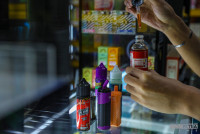
MALAYSIA is set to deny those born after 2005 from ever legally purchasing cigarettes, including vapes, as part of a ‘Generational End Game’ policy. In a move emulating similar recent legislation in New Zealand, the proposed regulation is expected to be tabled in Parliament in July. Wales too is floating a similar initiative to end smoking by 2030. The initiative is expected to deter people currently under 17 years old from ever starting smoking and possibly create a healthier nation.
A survey conducted by Malaysian Green Lung Association found Malaysians were largely receptive to the policy. The online public poll, supported by the Southeast Asia Tobacco Control Alliance (Seatca) showed that more than 97% of 928 respondents were in favour of the phase-out. But respondents also voiced concerns about the impact of the authoritarian policy on personal choice, weak enforcement, and the sale of contraband cigarettes. As it stands, Malaysia is number one in a world ranking of tobacco black market activity due to a lack of proper policies in regulating vaping products.
An argument against the policy, especially among major tobacco companies, is that the Malaysian economy will be affected by the tax revenue from tobacco products. In 2017, Malaysia made RM3.94 billion (US$895 million) in ‘sin tax’ from tobacco products. Tobacco companies said smoking could continue through the supply of black market cigarettes and banning tobacco products would only serve to rob the country of RM5 billion in tax revenue.
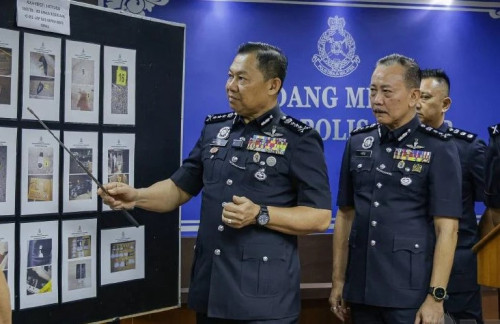
When announcing the proposed new law, Health Minister Khairy Jamaluddin said tobacco use is among the leading causes of cancer in the country, contributing to 22% of cancer deaths. He also pointed to an 11% rise in the number of cancer cases in recent years.
So while tax revenue may fall from tobacco, the public health costs of treating patients with smoking-related illnesses are also expected to fall.
Former deputy health minister, Dr Lee Boon Chye said with the government and the private sector each spending RM7 billion to RM8 billion a year to treat smoking-related illnesses such as lung cancer and heart problems, there may even be economic savings to the tobacco endgame. More economic savings are expected, considering the indirect costs due to absenteeism and loss of productivity from smoking breaks.
Meanwhile, the clean-up costs of tobacco waste, including discarded cigarette butts, are generally borne by municipalities; the same goes for the associated disposal costs of that waste including heavy metals and poisons that leach from cigarette butts once in landfill, including arsenic waste. Filters are made of a kind of plastic and do not readily decompose. By omitting or minimising these true costs, tobacco companies can effectively shift their responsibility to the taxpayers, enjoying a hidden subsidy.
A pattern of environmental damage is clear throughout the life of a tobacco product, from toxic chemicals associated with growing and curing; to energy inputs during manufacturing and distribution; and from the effects of consumption including second and third-hand smoke; to post-consumption waste. There are also implications for the health of farming communities and vulnerable elements of the population, including children.
In the past few years, Malaysian health and finance authorities have come together to use taxation as a highly successful form of tobacco control. Similar efforts could be made by environmental and health authorities, who already collaborate on shared concerns such as air pollution.
The environmental consequences of tobacco consumption have changed, from being an individual problem to being everyone's problem. It is not just about the lives of smokers and those around them, or even those involved in tobacco production.
A concept known as Extended Producer Responsibility (EPR) seeks to reduce a product’s environmental impact by making the manufacturer responsible for the costs associated with its end-of-life disposal. Properly implemented, this would result in tobacco product price rises while relieving municipalities and their citizens of a significant and unreasonable cost. To cite just one example, the city of San Francisco in the USA estimated that clearing up tobacco waste costs US$22 million annually.
A global EPR programme could initially be applied to tobacco product waste, given that tobacco litter is the biggest component of litter worldwide (around 6.25 trillion cigarettes were consumed in 2012 alone). Such policies are also likely to be popular with citizens tired of seeing urban landscapes covered with tobacco litter. EPR could also be applied to other areas of tobacco-related damage, including agrochemical use, deforestation, carbon dioxide and methane emissions, manufacturing, transport, and toxic waste. – The Vibes, May 30, 2022
Dr Farizah Mohd Hairi is currently an associate professor at the Department of Social and Preventive Medicine, Faculty of Medicine, University of Malaya. Her focus areas are in community geriatrics, elderly care, tobacco control and health services management. She also served as a public health physician with the Ministry of Health, Malaysia.
Published under Creative Commons and in partnership with 360info.org