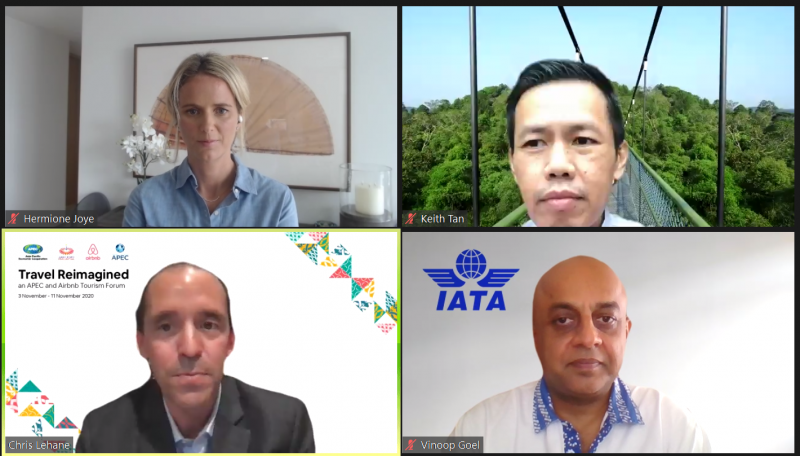
EARLIER this month, policymakers, business leaders and industry experts from economies throughout the Asia-Pacific region, convened recently at the Travel Reimagined: An Airbnb and Apec Forum, a three-part virtual panel discussion.
Jointly organised by the Apec Tourism Working Group and the National Centre for APEC (NCApec) and Airbnb, the forum discussed topics on the future of tourism and the recovery of the industry throughout the region.
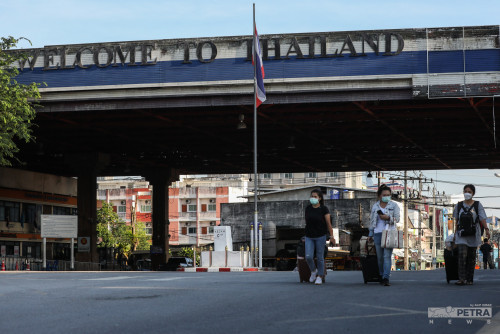
During the first panel, the focus was the need to facilitate the reopening of borders and the exploration of unique ideas, to enable a rejuvenated tourism industry.
Key milestones for the reopening of borders and restoring traveller confidence were also discussed.
Airbnb highlighted a number of key figures on how the pandemic has affected people’s relationship to work and travel, due to the wide-ranging embrace of remote working.
40% of Malaysians have adopted the work-from-home lifestyle, with 21% looking to continue doing so in the future.
In addition, 78% of Malaysians interested in living and working from somewhere other than home for an extended period of time, citing a change in scenery and the opportunity to reinvigorate their work life.
73% of Malaysians, 74% of Koreans, 84% of Australians and 72% of Thais are looking forward to travelling locally, showing an upward trend in living and working from anywhere applies across the region.
“We are seeing profound shifts in the way we live and work, and believe many of these changes will remain long after the pandemic. As this evolves, we will continue to develop ways to best support our communities by supporting healthy and sustainable travel, in partnership with local governments,” said Chris Lehane, Senior Vice-President, Global Policy and Communications, Airbnb.
“There is now a need to create a healthy, sustainable form of travel that all of us within the industry have a responsibility to think about in a post-Covid world.”
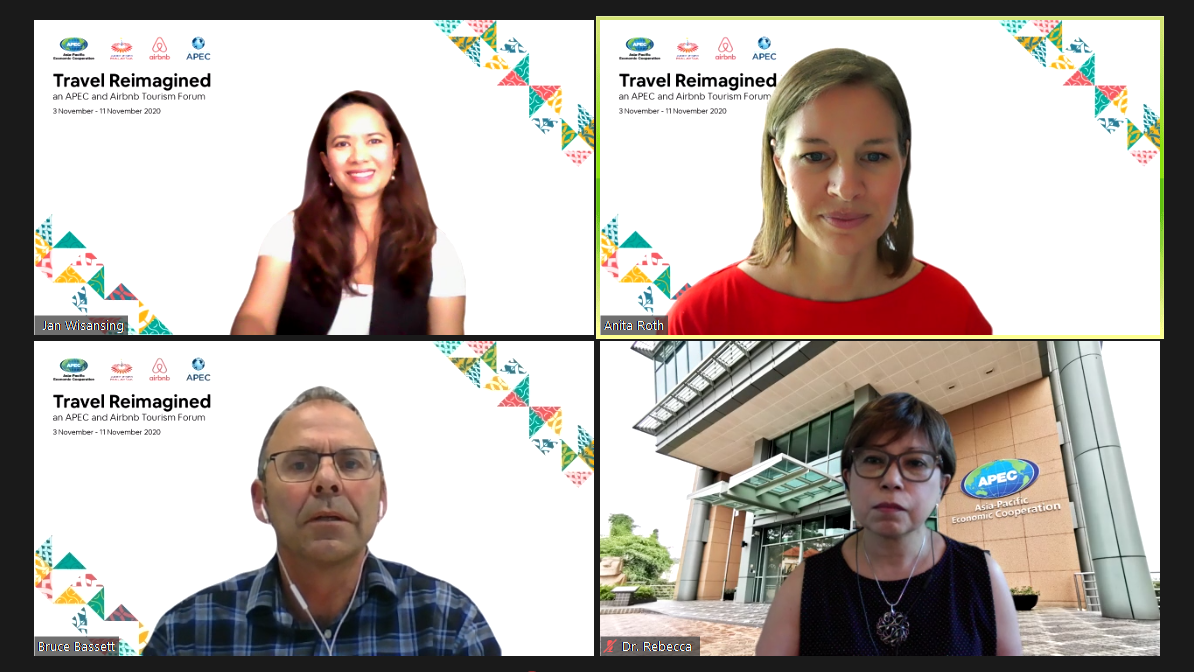
The second panel explored how travel restrictions have undoubtedly affected the hospitality and tourism sectors, and how a concerted effort in searching for a sustainable solution needs to take place around the world.
“We need to look at tourism as a key economic driver. We need to look at the future and consider sustainable developments, by using the tourism industry as a mechanism for positive change locally,” said Dr Jutamas (Jan) Winsansing, Member, Strategic Team, Ministry of Tourism and Sports (Thailand). “It is important we refocus and reimagine the role of the tourism industry and how it can benefit other sectors around it.”

The final panel dealt with how the growth of the digital economy has created new opportunities for communities especially in a post-pandemic environment, and how the travel industry can leverage.
In Malaysia, among other places, the digital economy has become a key driver necessary to sustain businesses especially in light of Covid-19.
“There’s currently an accelerated need for digitalisation. It’s something that was more challenging in the past, especially for traditional and small businesses, but many businesses have now taken the first step in that direction,” said Yew Heng Lim, Regional Head of Public Affairs, Grab.
Chaired by Malaysia in 2020, followed by New Zealand and Thailand in 2021 and 2022, the Apec Tourism Working Group prioritised this forum in its Strategic Plan for 2020-2024 to promote digital transformation in the tourism sector especially during such crucial times. – The Vibes, November 23, 2020