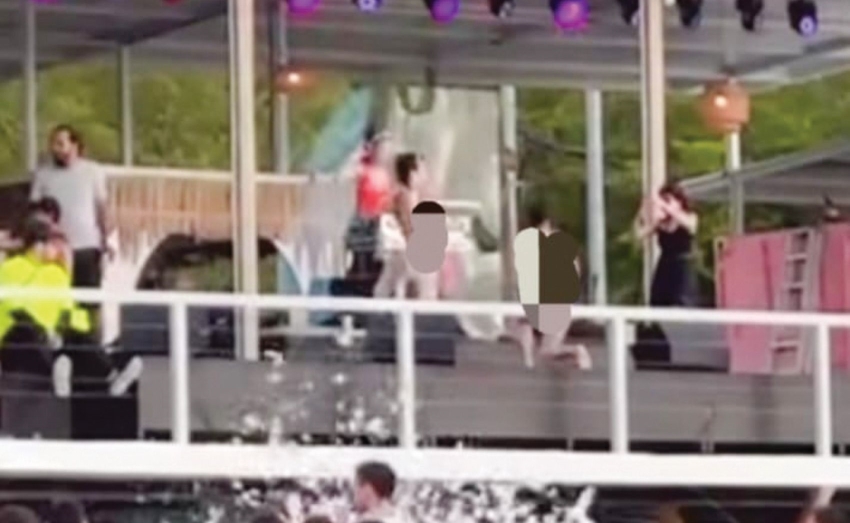
IT is one thing to host a cultural celebration, quite another to let it descend into controversy. That’s precisely the situation facing a recent Songkran-themed event in Batu Ferringhi, Penang, where footage of women dancing in a semi-nude state has gone viral—fueling a storm of public backlash.
The Penang Island City Council (MBPP) has since issued a show-cause letter to the event organiser, demanding justification for the incident, which unfolded over the weekend just 50 metres from a mosque.
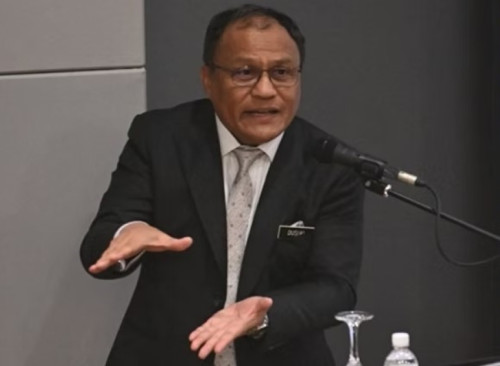
MBPP Mayor Datuk A. Rajendran confirmed that preliminary investigations found the business premises involved did possess a valid entertainment licence.
“We have issued a show-cause letter to the premises owner,” he said when contacted.
The performances, reportedly held as part of a private event celebrating the Songkran festival, took place on Saturday and Sunday from 4pm until late night. The decision to stage such provocative entertainment in close proximity to a place of worship was seen by many as highly insensitive.
Deputy Chief Minister I, Datuk Dr Mohamad Abdul Hamid, noted that the event fell under the jurisdiction of MBPP. While the organisers were granted an entertainment licence, he said, the event failed to comply with its conditions.
“The organiser had a licence, but it did not follow the terms that were set,” he explained.
The incident raises broader questions about the enforcement of licensing conditions and the role of local authorities in regulating public morality, particularly in multicultural, multi-religious Malaysia.
While Songkran is widely celebrated with water fights and music, critics argue that the inclusion of near-nude dancing was not only unnecessary but blatantly provocative given the event’s location.
As authorities investigate and public outrage simmers, the spotlight now falls on how MBPP and other local councils intend to prevent such controversies from reoccurring—especially when cultural expression crosses the line into offence. - April 17, 2025