AUTHORITIES in Penang have taken enforcement action against six unauthorised Non-Muslim Places of Worship (RIBI) across the state as part of an ongoing state government initiative to ensure compliance with existing building regulations.
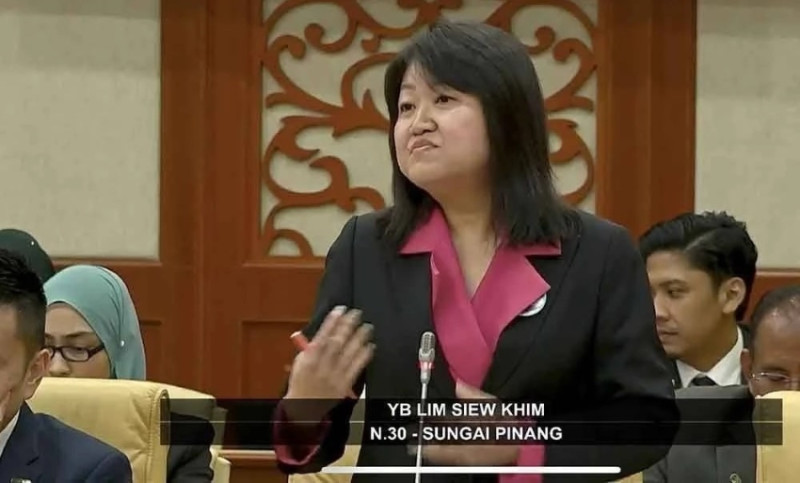
State Executive Councillor for Social Development, Welfare and Non-Islamic Affairs, Lim Siew Khim, said the action primarily involved small shrines and minor structures erected on government reserve land.
“The six structures involved include one in North Seberang Perai, two in Central Seberang Perai, two in South Seberang Perai, and one in the Northeast District.
“This shows that enforcement measures have been implemented comprehensively, based on consistent monitoring and data verification,” she stated during the Penang State Legislative Assembly on Tuesday.
Lim (DAP–Sungai Pinang) was responding to a question from Permatang Pasir assemblyman Amir Hamzah Abdul Hashim (PAS) regarding the number of unauthorised RIBI sites in Penang from 2023 to 2025.
Between 2023 and 2024, authorities identified 43 unauthorised RIBI sites under the jurisdiction of the Seberang Perai City Council (MBSP) and 149 under the Penang Island City Council (MBPP). However, regular monitoring and data updates have led to a notable decline.
“As of May 2025, the number of unauthorised sites recorded by MBPP has dropped to 115, while MBSP has reported only 21,” she added.
Lim said the state government will intensify engagement sessions with RIBI associations to raise awareness on the need for formal approval prior to constructing any religious structures.
“The state is also working with the Registrar of Societies Malaysia to encourage each RIBI to register its detailed information, so that we maintain official records of their existence,” she explained.
Looking ahead, she said a clear policy will be drafted requiring all RIBI construction or renovation to obtain Planning Permission and building plan verification through the state’s One-Stop Centre (OSC).
“This is essential to ensure the design, structure, and location of such buildings comply with the Uniform Building By-Laws (UBBL) and approved land use plans.
“This initiative reflects the state government’s commitment to addressing unauthorised RIBI in a fair and holistic manner, without undermining religious sensitivities or racial harmony in the state,” Lim emphasised. - May 20, 2025