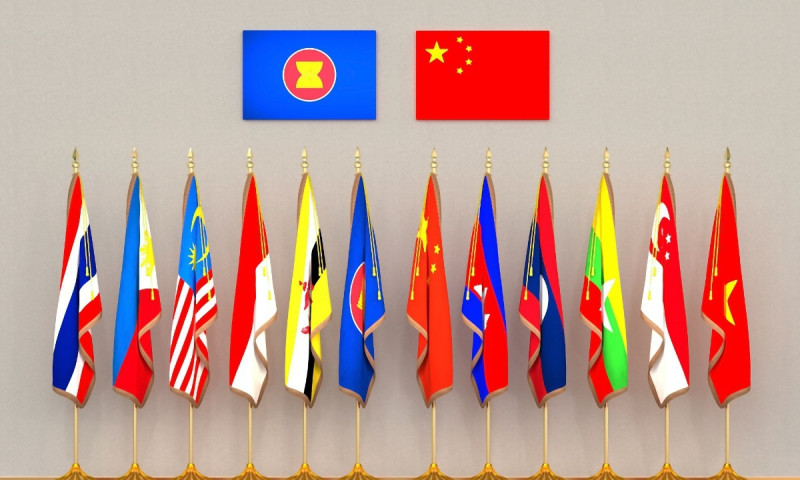
THE full conclusion of negotiations on the upgraded China-ASEAN Free Trade Area (CAFTA Version 3.0) marks a pivotal moment for regional and global economic confidence, particularly as protectionist and unilateral tendencies continue to rise worldwide, according to a Xinhua report.
Announced on Tuesday by economic and trade ministers from China and ASEAN member states, the upgraded agreement introduces nine new chapters, including provisions on the digital economy, green development, and supply chain connectivity.
Described as a "historic step" by observers, the CAFTA 3.0 upgrade reflects the enduring value of open markets and multilateral cooperation between two of the world’s most dynamic developing economies. In consistently promoting free trade, the agreement offers not only increased certainty for regional and global commerce but also positions China and ASEAN as a model of openness, inclusivity, and win-win collaboration.
Since the establishment of CAFTA in 2010, bilateral trade has witnessed robust growth. China has remained ASEAN’s largest trading partner for 16 consecutive years, while ASEAN has been one of China’s top trading partners over the past five years. Last year alone, the value of bilateral trade approached US\$1 trillion.
The deepening of economic and trade cooperation has significantly contributed to growth in both economies and has brought tangible benefits to people across the region.
"The eagerly awaited upgrade to CAFTA is a significant step towards strengthening bilateral engagement and regional economic integration," the report stated. It also emphasises joint efforts by China and ASEAN to stabilise industrial and supply chains while striving for shared prosperity and development.
Together, China and ASEAN – both members of the Global South – represent a quarter of the world’s population, one-fifth of global GDP, and contribute more than 30 per cent to global economic growth. However, the region continues to face infrastructure disparities, with the so-called "digital divide" remaining a major obstacle to full economic integration. The new rules under CAFTA 3.0 are expected to support ASEAN countries in narrowing this digital gap.
The report also called for renewed collective action to safeguard the rules-based multilateral trading system and the development rights of Global South nations, amid the growing threat posed by unilateral policies and trade protectionism to global stability.
Positioning openness as a central feature of its modernisation strategy, China remains committed to building a higher-standard open economy and sharing its development opportunities globally. The CAFTA upgrade is expected to offer vital institutional support for creating a more integrated China-ASEAN mega-market.
With negotiations on CAFTA 3.0 now concluded, the formal signing of the upgrade protocol is anticipated before the end of the year—paving the way for China and ASEAN to build a closer regional community with a shared future. - May 24, 2025