A RECENT bullying case involving six Form Five students at a Mara Junior Science College (MRSM) in Melaka has reignited concerns that strict punishment alone is insufficient to curb misconduct at elite residential schools.
The students have been immediately suspended and face permanent expulsion, in line with Majlis Amanah Rakyat’s (MARA) zero-tolerance policy.
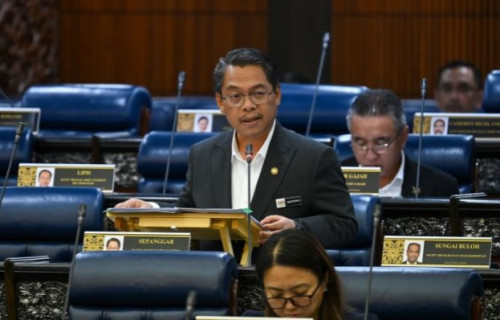
“Our principle is simple: you touch, you go,” said MARA chairman Datuk Dr Asyraf Wajdi Dusuki. “There will be no room for appeals for those found guilty.”
He added that MARA acted swiftly based on credible reports and concrete evidence.
This is not the first instance of such action. A similar disciplinary move was taken against seven students at another MRSM in northern Malaysia last year.
Yet, despite MARA’s firm stance, the recurrence of such incidents has prompted fresh questions: why does bullying persist at institutions that boast some of the country’s brightest and most promising students?
Although MARA has implemented various initiatives including motivational talks, counselling sessions, and regular monitoring programmes, the latest incident suggests these efforts have yet to address the root causes effectively.
Asyraf Wajdi stressed that no one should attempt to shield perpetrators under the guise of protecting the institution’s reputation.
“Even if the students involved are in their final year and their future may be affected, disciplinary action must still be taken to send a clear preventive message,” he said.
He also called for greater attention to the welfare of victims, saying their physical and emotional safety must be a top priority—particularly in residential school environments where close supervision is vital.
Observers argue that, while firm disciplinary measures are necessary, they are unlikely to break the cycle unless the underlying causes of bullying are thoroughly addressed.
Preventive strategies, they say, must be strengthened and embedded into school culture—not merely activated after harm is done. - July 27, 2025