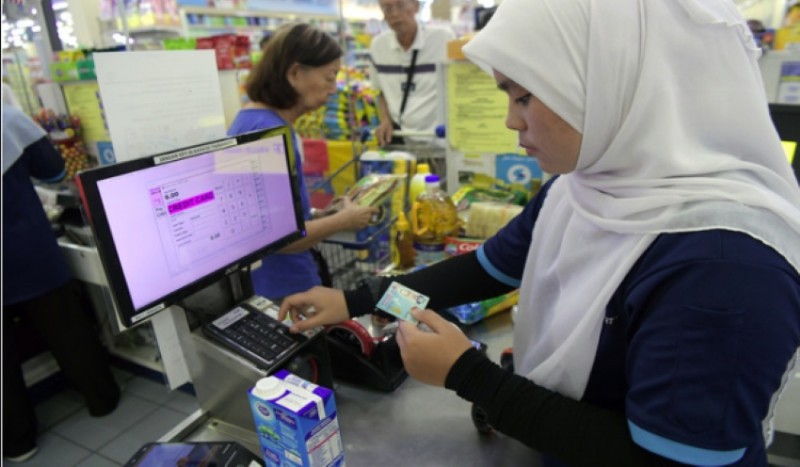
MALAYSIANS across the country have welcomed the RM100 Sumbangan Asas Rahmah (SARA) credit with relief and gratitude, as over 1.7 million recipients collectively spent RM110 million within the first two days of the initiative’s expanded rollout.
According to the Ministry of Finance (MOF), as of 9.30pm on the second day, more than 900,000 transactions had been completed, amounting to RM60 million in spending. MyKasih Foundation, which facilitates the SARA distribution, managed to process 20 per cent more transactions compared to the previous day following system upgrades.
Despite the improvements, several urban supermarkets experienced congestion during peak hours between 1.00pm and 2.30pm, prompting the deployment of MyKasih staff to assist shoppers and retailers on-site.
The public has been advised to make purchases during off-peak periods, particularly weekday mornings, to avoid delays. The RM100 credit remains valid until 31 December 2025 and is accepted at over 7,300 registered retail outlets nationwide.
Across Malaysia, recipients spoke of how the aid has helped them cope with the rising cost of living—particularly those whose incomes have been affected by weather or economic uncertainty.
In Kedah, housewife Siti Noraziah Rashid, 26, said the credit came at a crucial time after her husband, a rubber tapper, was unable to work due to ongoing rain.
“With this RM100 aid, I could buy essentials for our three children. My grandmother also received RM100, so we were able to get rice, sugar, oil and other basics. We're very thankful, as our income was completely halted,” she said.
Similarly, rubber tapper Azizah Mat Desa, 65, from Pendang, described the assistance as “timely”, saying, “Without it, there would be nothing cooking in our kitchen.”
In Sabah, Jamaliah Osman, 45, a mother of five and night market vendor in Kampung Likas, said the SARA aid helped ease the financial pressure on both her household and her small business.
Taxi driver Mohd Rizal Abdullah, 38, from Penampang, also described the assistance as “well-timed”, noting, “It may not seem like a large sum, but for low-income families like ours, it makes a real difference.”
In Melaka, civil servant Farah Huda Shahiran, 29, said the RM100 allowed her to buy necessities such as rice and cooking oil. She praised the straightforward redemption method via MyKad, saying, “It’s very efficient and helps ensure only eligible Malaysians receive the support.”
In Selangor, Jamal Mohd Razali, 33, said he had no issues using the credit while shopping with his wife at Mydin Mart in Shah Alam.
“RM100 may seem small, but spent wisely, it goes a long way. I usually spend RM400–RM500 a month on essentials, so this helps cut costs. I hope the list of eligible goods can be expanded,” said the private sector worker.
In Penang, husband and wife Mursyid Sulaiman and Jannah Abdul Rahman, both 29, used their combined RM200 credit to buy rice, eggs, flour, sugar, and baby formula at a hypermarket in Bertam.
“This support really helps. We can save on groceries and buy our daughter’s milk. It eases the burden,” said Jannah.
In Pahang, trader Amirul Hilmy Abas, 46, echoed the sentiment, saying, “RM100 might seem small to some, but for low-income families, it makes a significant difference. I prioritised food and kitchen essentials because they bring the greatest benefit.” - Sept 2, 2025