PRIME MINISTER Datuk Seri Anwar Ibrahim has conveyed his condolences and solidarity to the people of Afghanistan and Sudan following recent natural disasters that have left thousands dead and many more displaced.
“I am deeply saddened by the earthquakes that have struck Afghanistan, claiming many lives and leaving families in grief and hardship.
“It also pains me to learn of the severe landslides in Sudan, which have claimed more than a thousand lives.
“Malaysia stands in solidarity with the people of Afghanistan and Sudan in this hour of grief and sorrow,” he said in a statement posted on his official Facebook page.
The Foreign Ministry confirmed on Tuesday that no Malaysians in neighbouring Pakistan were affected by the 6.0-magnitude quake that struck near Jalalabad in eastern Afghanistan at 11.47pm local time on Sunday.
The High Commission of Malaysia in Islamabad remains in contact with local authorities and continues to monitor the situation.
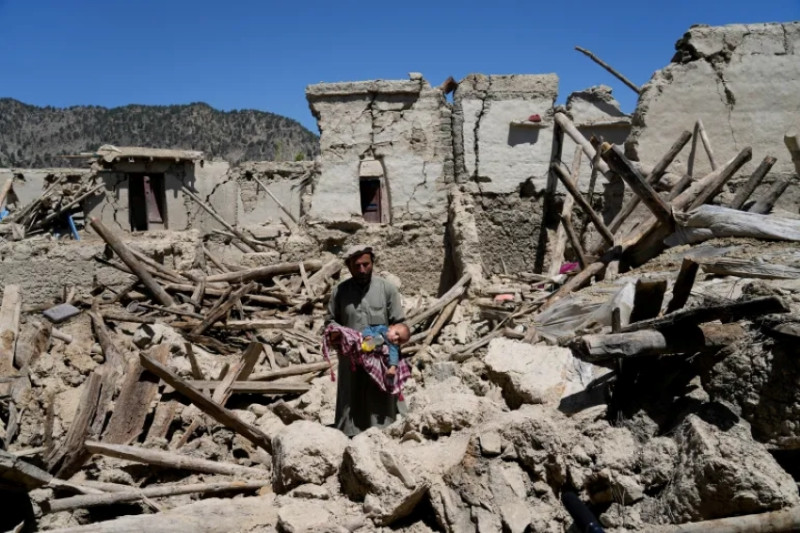
Officials have reported that over 1,400 people have died, more than 3,100 have been injured, and at least 5,400 homes have been destroyed across the mountainous provinces of Kunar and Nangarhar.
Reuters reported today that communications remain limited in remote areas, and the death toll is expected to rise further as rescue teams continue to reach isolated communities.
A second quake measuring 5.5 magnitude struck the same region on Tuesday, halting rescue efforts, triggering fresh landslides, and exacerbating damage.
“This is now a race against time to save lives – to get injured people out of remote villages cut off by massive rock falls and to get clean water, food, and shelter in,” said Samira Sayed Rahman, Programmes and Advocacy Director at Save the Children.
A Reuters journalist visiting the quake-hit region reported that every home had been damaged or destroyed, with locals digging through rubble for survivors.
The aftershock caused panic and further structural collapses, leaving many to sleep in the open as fears of additional tremors loomed.
According to Taliban officials, the total number of affected individuals exceeds 12,000. Humanitarian agencies have warned of the compounded impact of disrupted clean water supplies, limited food access, and potential disease outbreaks.
“Damaged roads, ongoing aftershocks, and remote locations of many villages severely impede the delivery of aid,” said the World Health Organization, highlighting the fragility of Afghanistan’s health system.
UNICEF has dispatched emergency supplies, including tents, warm clothing, hygiene kits, and medical equipment. Taliban soldiers have been deployed to assist with security and aid distribution.
Sudan, meanwhile, is also reeling from deadly landslides, with over 1,000 reported dead in disaster-prone regions already strained by conflict and political instability.
The international response to Afghanistan’s crisis has been hampered by reduced global aid flows, following policy shifts and donor concerns over Taliban restrictions on women and humanitarian workers.
The United Kingdom has pledged £1 million, and India has delivered 1,000 tents with further food aid en route. Other countries including China, the United Arab Emirates, Pakistan, Iran, and the European Union have promised assistance, although much of it is yet to arrive.
The United States significantly reduced aid to Afghanistan in early 2025, with former president Donald Trump’s administration cutting funding to USAID and other critical humanitarian channels.
These reductions, combined with the ongoing expulsion of Afghans from neighbouring countries, have strained the country’s capacity to respond to large-scale disasters.
Afghanistan, located in a seismically active region where the Indian and Eurasian tectonic plates meet, remains highly vulnerable to deadly earthquakes. The latest events underscore both the fragility of its infrastructure and the urgent need for sustained international support. - Sept 3, 2025