ONE in five individuals affected by disasters or conflicts will experience mental health issues such as depression, anxiety or trauma, while nine per cent are likely to develop moderate to severe mental disorders requiring professional care, according to the World Health Organization (WHO).
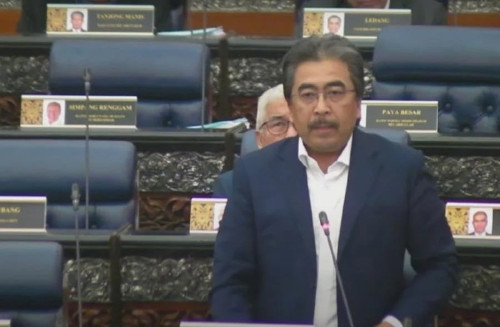
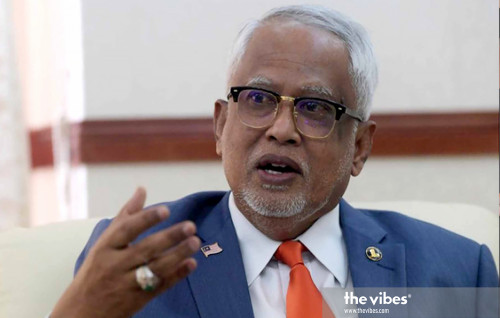
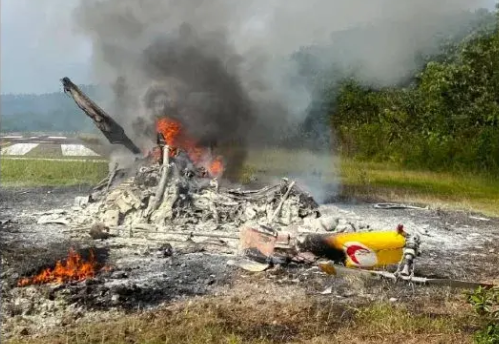
Quoting the data, Health Minister Datuk Seri Dr Dzulkefly Ahmad said that Malaysia is not immune to the psychological toll of such tragedies, pointing to events like the disappearance of flight MH370, the MH17 crash, the Ranau earthquake and the Batang Kali landslide.
“These incidents leave deep impacts not just on the physical and economic fronts, but also emotionally, psychologically and socially,” he said.
“The mental health crisis in disasters is not unique to Malaysia. We have seen, for instance, how prolonged conflict in Palestine has caused deep trauma among war victims, particularly children and families.”
Dr Dzulkefly was speaking at the launch of the 2025 National Mental Health Month, themed “Access to Services: Mental Health in Crisis and Disaster.” This year’s observance focuses on ensuring access to mental health support during emergencies and disasters.
He said the Ministry of Health (MOH) has incorporated Mental Health and Psychosocial Support Services (MHPSS) into the national disaster response framework. Since 2018, the ministry has collaborated with the Japan International Cooperation Agency (JICA) to train multi-disciplinary teams in psychological first aid.
“As a result of this effort, we now have 256 MHPSS teams comprising 3,676 trained personnel in every district, ready to be deployed during disaster operations,” he said.
Dr Dzulkefly also highlighted the significance of Talian HEAL 15555 — a crisis helpline established during the COVID-19 pandemic that continues to operate daily as a critical avenue for psychological support.
Underscoring the government’s commitment to mental health, he pointed to a RM21.6 million allocation under Budget 2026 to support the K-MindSET (Komuniti Minda Sejahtera) programme, aimed at enhancing mental health literacy and fostering psychological resilience within communities.
“This proves the government’s resolve to mainstream mental health beyond hospitals and clinics, bringing it into workplaces and local communities,” he said.
Dr Dzulkefly added that the government’s broader mental health agenda under the MADANI framework reflects a people-centred approach, where psychological well-being is recognised as essential to national recovery and resilience. - October 12, 2025









.jpeg)