THE Immigration Department has blacklisted all holders of Temporary Employment Visit Passes (PLKS) unlawfully approved through a syndicate that allegedly exploited the Malaysia Immigration System (MyIMMs), as authorities widen their crackdown on immigration-related fraud.
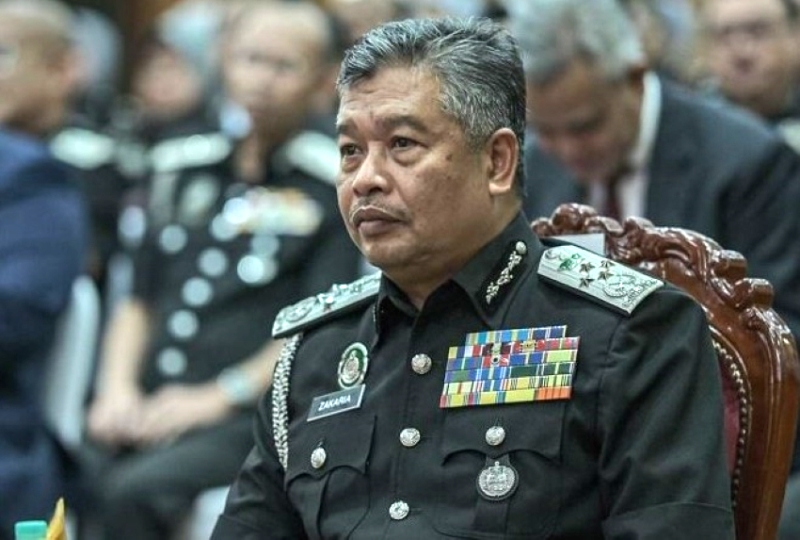
Immigration Director-General Datuk Zakaria Shaaban said the action followed raids and operations to identify and trace holders of the illegally issued passes.
He said investigations found discrepancies between the addresses of premises and employer details used by some PLKS holders and the information recorded on their permits, with some allegedly using fictitious addresses.
"We have blacklisted them in the Immigration system, where they can no longer carry out any transactions, whether for renewal or to change their address and so on," he said at a press conference in Putrajaya today.
Zakaria said the affected PLKS holders were also barred from conducting transactions online and would have to deal directly with Immigration Department counters for any related matters.
So far, 14 Immigration officers have been detained to assist investigations into the syndicate, including six arrests by the Malaysian Anti-Corruption Commission (MACC), five subsequent arrests and three officers detained in the latest development.
He said the department would continue its investigations and operations to identify and trace holders of the illegally issued PLKS.
The media previously reported that MACC, in collaboration with the Immigration Department, launched Op Crack on July 28, resulting in the arrest of more than 10 individuals, including company directors, foreign nationals, police officers and Immigration officers.
A total of 1,306 PLKS were found to have been unlawfully approved at various locations nationwide, involving multiple economic sectors.
Zakaria was previously reported to have said that "insiders" within the Immigration Department were involved in the syndicate and knew how to exploit MyIMMs to facilitate the illegal approval of PLKS.
The individuals allegedly used dongles and software installed on computers before accessing the system remotely using an administrator ID and password. They then allegedly created fake IDs to approve PLKS applications outside the proper procedures.
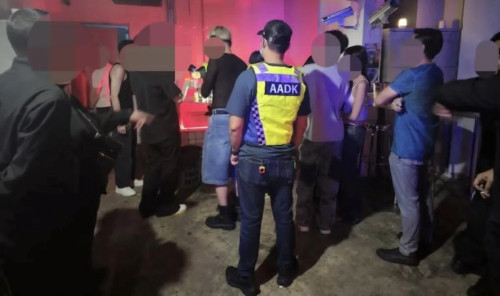
Meanwhile, the Immigration Department has arrested two Bangladeshi nationals believed to be key figures in a separate passport forgery syndicate following a raid in the capital yesterday.
Zakaria said the two suspects, aged 29 and 32, were arrested during an operation on Aug 12 following a week-long intelligence operation.
He said the operation began at 11.30am and was conducted by officers and personnel from the Immigration Department’s Intelligence and Special Operations Division at two locations.
"As a result of this operation, we arrested the two Bangladeshi nationals. Along with them, we also found nine forged Bangladeshi passports.
"There were also other equipment, including three mobile phones, two computers, and security stamps used for entry and exit," he said.
Authorities also seized 2,110 unbound passport booklets believed to be raw materials used in the production of forged passports.
Zakaria said questioning also led to the discovery of RM200,000 in cash in the syndicate’s e-wallet account, which is believed to have been proceeds from the illegal activities.
He said the syndicate’s modus operandi involved producing forged passports to facilitate medical examinations at FOMEMA panel clinics, particularly for foreign workers facing health problems.
The method allowed healthy individuals to impersonate the original passport holders and undergo medical examinations using their identities.
Zakaria said the syndicate was believed to have charged between RM200 and RM300 for each passport forgery and medical examination transaction.
The operation is believed to have been running for about a year, while the high demand for the service was indicated by the quantity of passport materials stored by the syndicate.
He said the syndicate used independent agents to recruit customers either through face-to-face contact or personal connections and did not openly advertise its services.
Both suspects were holders of PLKS in the construction sector and records showed that they had been living in Malaysia for nine years.
Immigration will continue its intelligence operations to identify other networks still involved in similar activities, including the possible involvement of additional parties in supplying materials used for passport forgery. - August 13, 2026
.jpeg)