MALAYSIA and Singapore have unveiled two new electricity interconnection projects aimed at strengthening regional energy security and accelerating the shift towards low-carbon energy across Southeast Asia.
Announced on the sidelines of the 43rd ASEAN Ministers on Energy Meeting (AMEM) in Kuala Lumpur, the initiatives mark a strategic step forward in both nations’ efforts to integrate energy systems and support regional decarbonisation.
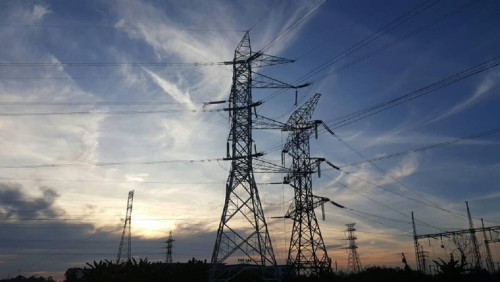
The first project involves a Joint Development Agreement (JDA) signed between Singapore’s SP Group and Malaysia’s Tenaga Nasional Berhad (TNB) to conduct detailed feasibility studies for a second interconnector between Peninsular Malaysia and Singapore.
The proposed link, which builds on a pre-feasibility study completed in May 2025, could enable bi-directional electricity flows of up to 2 gigawatts (GW) by 2030—twice the capacity of the current interconnection.
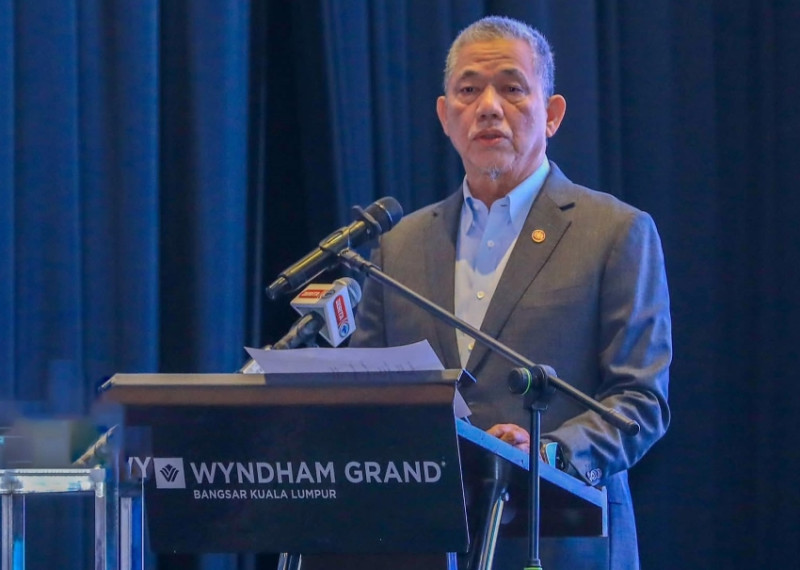
The signing was witnessed by Deputy Prime Minister II and Minister of Energy Transition and Water Transformation, Datuk Seri Fadillah Yusof, alongside Singapore’s Minister-in-charge of Energy and Science & Technology, Dr Tan See Leng.
In a separate but related development, Singapore’s Energy Market Authority (EMA) has granted Conditional Approval to Sembcorp Utilities, working in partnership with Sarawak Energy Berhad (SEB), to import approximately 1 GW of low-carbon electricity generated mainly through hydropower from Sarawak.
Expected to commence operations around 2035, the project is considered preliminarily viable both technically and commercially.
Its success, however, remains contingent upon final regulatory approvals and the construction of an undersea transmission cable.
The conditional approval was formalised in twin ceremonies held in both Kuala Lumpur and Singapore, attended by senior officials including Sarawak Premier Datuk Patinggi Tan Sri Abang Johari Tun Openg and Singapore’s Deputy Prime Minister and Minister for Trade and Industry, Gan Kim Yong.
“These projects represent tangible progress towards a more connected and resilient ASEAN power grid,” Malaysian and Singaporean ministries said in a joint statement.
Both countries have emphasised that cross-border electricity trade is critical to achieving regional net-zero targets while bolstering long-term energy stability and affordability. - October 17, 2025