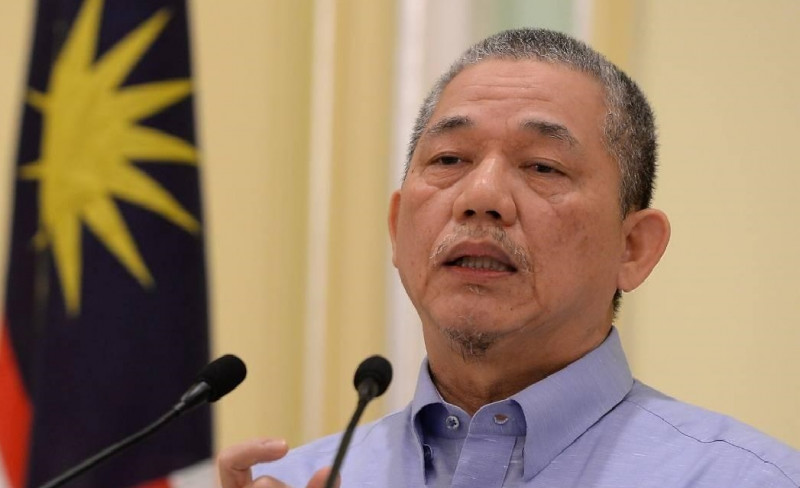
THE Ministry of Energy Transition and Water Transformation (PETRA) is prioritising a rapid shift to renewable energy and the strengthening of national water resource management as Malaysia enters the fourth year of the MADANI governance agenda, Deputy Prime Minister II Datuk Seri Fadillah Yusof said.
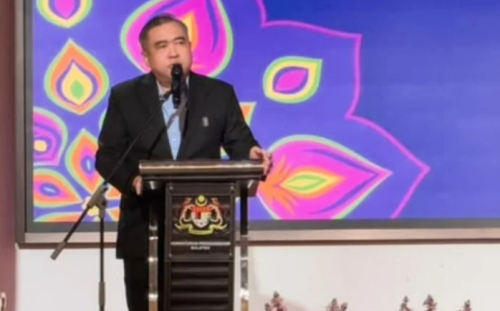
Speaking at the Program Rancakkan MADANI Bersama Malaysiaku and the 2025 National Public Service Reform Convention in Putrajaya today, Fadillah, who also heads PETRA, reaffirmed the government’s commitment to generating 70 per cent of the nation’s electricity from renewable sources by 2050, in line with the National Energy Transition Roadmap (NETR).
Malaysia had achieved 31 per cent renewable energy capacity as of October 2025, with a target of 35 per cent by 2030 under the 13th Malaysia Plan (RMK13).
“The government will expand strategic initiatives including the Large-Scale Solar (LSS 6) programme in early 2026, add 300 MW quotas for biogas, biomass, and small hydro under the Feed-In Tariff (FiT) scheme, and introduce the Corporate Renewable Energy Supply Scheme (CRESS), enabling consumers to obtain green energy directly from generators,” he said.
Fadillah also announced the expansion of the Accelerated Transition Action Programme (Solar ATAP) to allow more users to generate their own energy, while the Community Renewable Energy Aggregation Mechanism (CREAM) will facilitate collective energy production through rooftop solar aggregation.
Additionally, the Low Carbon Energy Generation Programme (LCEGP) will diversify renewable energy sources beyond solar, incorporating biogas, biomass, and small hydro.
On water management, Fadillah said PETRA is advancing the National Water Policy through an integrated strategy to ensure long-term water security and position the sector as a new economic driver.
“Our aim is to transform water from a social resource into a dynamic economic asset capable of generating high added value,” he said.
The ministry plans to strengthen the National Water Council (MAN), chaired by Prime Minister Datuk Seri Anwar Ibrahim, as a key platform for coordinating policies, strategies, and implementation between federal and state authorities, including cross-border water diplomacy.
PETRA will also establish a National Hydrology Data Centre to consolidate water resource data into a central hub, enabling policies and decisions to be based on precise scientific data and hydrological forecasts, thereby reinforcing Integrated Water Resources Management (IWRM).
Alternative water sources, including conjunctive groundwater development, rainwater harvesting, and desalination technology, will also be explored to reduce reliance on surface water.
“PETRA is mainstreaming climate adaptation to ensure that land use planning in water catchment areas is standardised and strictly protected to preserve natural ecosystems as flood absorbers and water reservoirs,” Fadillah added.
In terms of service delivery, PETRA will enhance governance in the water industry through Phase II amendments to the Water Services Industry Act 2006 (Act 655), focusing on enforcement, water reuse management, and circular economy principles.
The ministry is also exploring alternative financing under the Water Sector Transformation Plan 2040 (AIR2040), including public-private partnerships via Private Financial Initiatives, to reduce reliance on government funds and strengthen operators’ competitiveness while ensuring high-quality water and sanitation services.
During the MADANI programme, PETRA hosted interactive advocacy and exhibitions to educate the public on sustainable energy and water practices.
Key features included the Net Energy Metering 3.0 (NEM 3.0) showcase, the NUR@PETRA initiative, electrical safety advocacy, sustainable laundry demonstrations, and a model of the Langat Wastewater Treatment Plant.
“All PETRA programmes aim to expose the public to the government’s ongoing initiatives to improve quality of life through efficient energy and water services.
“We hope these efforts will raise awareness and encourage Malaysians to adopt sustainable lifestyles that value the energy and water resources provided by God,” Fadillah said. - December 4, 2025