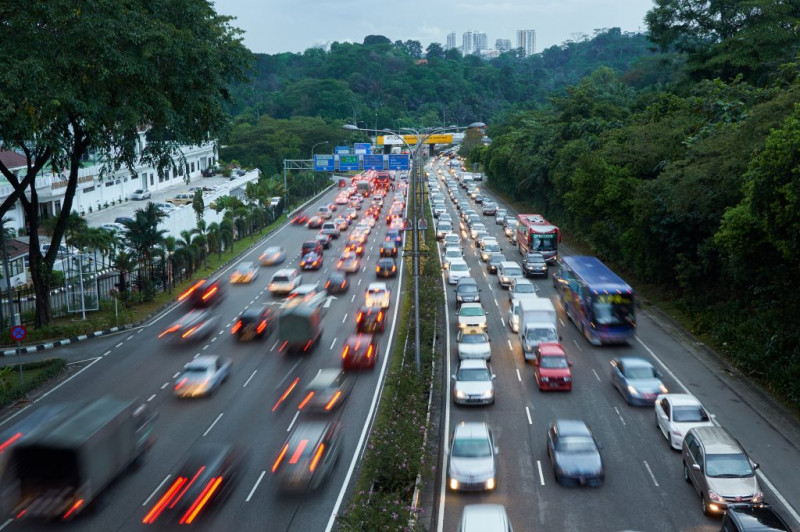
WHILE the disposal of old vehicles is often promoted as a means to boost road safety and refresh the automotive market, experts emphasise that the effectiveness of such policies cannot be judged on intent alone.
Their impact must be assessed based on actual behavioural changes among vehicle owners, ownership costs, and target groups.
Dr Mohd Radzi Abu Mansor from the Automotive Research Centre at Universiti Kebangsaan Malaysia said that, from a consumer economics perspective, replacing an ageing car with a new model is a long-term decision influenced by overall ownership costs.
He noted that financial incentives of around RM2,000 are minimal compared with the tens of thousands of ringgit required to purchase a new vehicle.
“Analysis shows incentives on this scale are usually insufficient to alter the decisions of owners of older vehicles that remain functional, particularly among those sensitive to debt commitments and monthly cash flow,” he explained. “In this context, the incentive functions more as a policy signal than a real driver of behavioural change.”
From an engineering perspective, Dr Radzi highlighted that new vehicles offer superior safety through integrated active and passive systems. Improvements in body structure, collision management technologies, and modern driver-assistance systems significantly reduce the risk of injury compared with older vehicles.
“However, the comprehensive replacement of all older vehicles is time-consuming and costly. During the transition period, proper maintenance of brakes, suspension, and tyres in older cars can still yield measurable safety benefits, albeit not equivalent to the protection offered by new vehicles,” he said.
Dr Radzi advocates a phased approach that combines gradual vehicle replacement with risk reduction through systematic maintenance. He emphasised that road safety and public welfare should not be treated as separate objectives.
“Effective disposal policies require a phased, data-driven approach that takes into account Malaysia’s socio-economic realities. A combination of reasonable financial incentives, targeted financing support, and rigorous vehicle safety inspections has the potential to deliver stronger safety outcomes,” he added.
“The main goal is not merely to reduce the number of older vehicles on the road but to ensure that every road user can travel safely without shouldering an unequal financial burden,” Dr Radzi added. - February 3, 2026