
KUALA LUMPUR – Malaysia will undertake a detailed study on the viability of a domestic high-speed rail (HSR) project, among other possible options, after its agreement with Singapore was terminated.
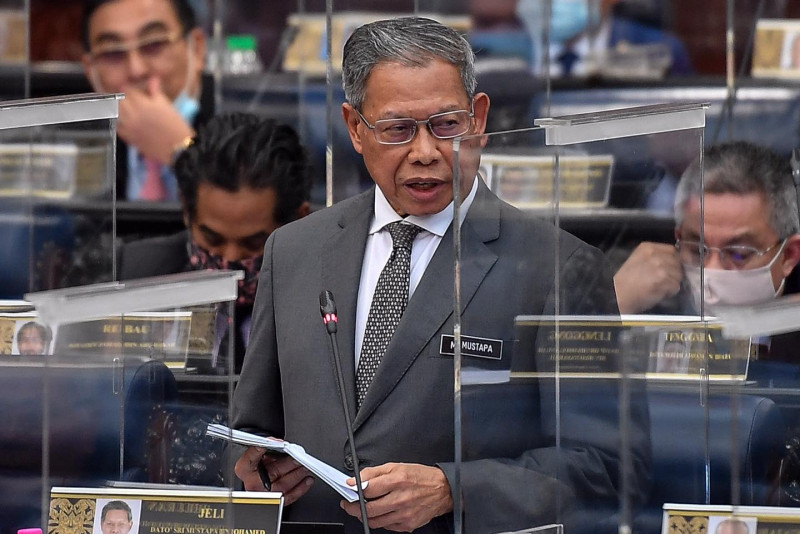
Minister in the Prime Minister’s Department (Economy) Datuk Seri Mustapa Mohamed said the study will take into consideration the benefits for Malaysians.
If it materialises, this corroborates previous reports saying the country will continue the project without Singapore’s involvement, with the line to end in Johor Baru.
In a statement today, Mustapa said that Malaysia has been exploring a number of alternatives to reduce the cost of the Kuala Lumpur-Singapore HSR project since 2018, with the matter becoming more urgent with the onset of the Covid-19 pandemic.
These include changes to the project structure, alignment and station design, as the original structure requires substantial and long-term government guarantees.
“The new project structure is expected to provide us the flexibility in financing options, such as deferred payments, public-private partnerships and the possibility of accessing financing at favourable rates.
“More importantly, the proposed changes would have allowed us to leverage on the HSR project to accelerate Malaysia’s economic recovery post pandemic, by bringing forward the start of the construction phase by almost two years.”
This, Mustapa said, would have provided a much-needed boost to the construction sector and the supporting ecosystem.
However, following a series of discussions, both countries were not able to come to an agreement, before the original bilateral agreement lapsed yesterday.
Mustapa said by virtue of previously agreed terms, Malaysia would honour its obligations, with both countries to initiate the necessary to determine the amount of compensation.
Earlier, Prime Minister Tan Sri Muhyiddin Yassin and his Singapore counterpart Lee Hsien Loong in a joint statement, announced that the project has been officially called off after both governments failed to reach an agreement.
Najib: Malaysia will lose out
Meanwhile, in a Facebook post, former prime minister Datuk Seri Najib Razak said the speculated KL-JB HSR line could cost up to RM65 billion, just slightly lower than the maximum RM68 billion for the KL-Singapore line.
He added that the trains will be significantly slower than the original KL-Singapore line, while the number of passengers per year is also expected to drop from 8.4 million to 4.2 million by 2031.
“This will leave a huge impact in terms of ticket pricing and number of passengers, to a point the project will experience huge losses, especially as the government has to pay out compensations.”
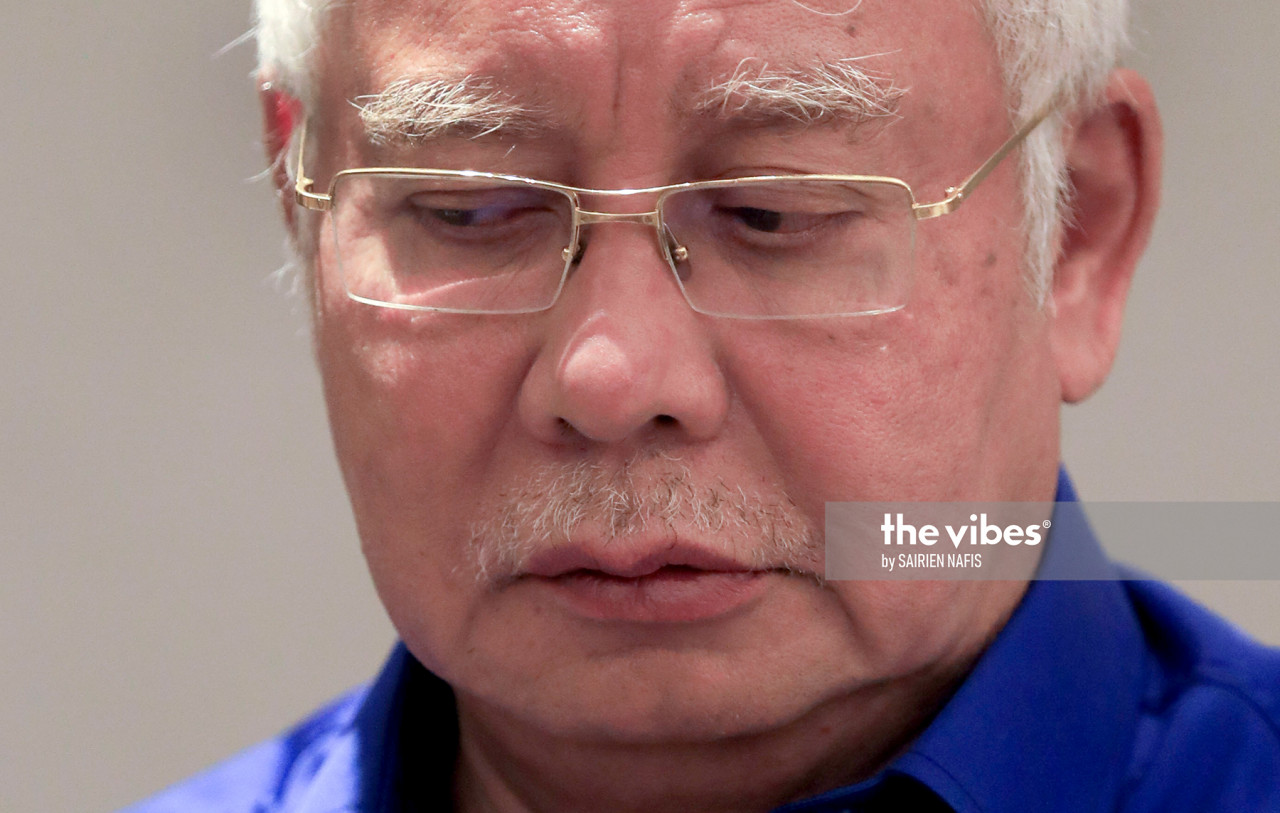
Najib, who was prime minister when the original deal was signed, said the slower train from KL to JB means it cannot compete with the KL-Singapore aviation route, which is the busiest air route in the world.
Had the HSR been allowed to continue, it would cut travelling time from KL to Singapore to a mere 90 minutes, he added.
“The KL-JB HSR line will only compete with our electronic train service for the same route, expected for completion this year. As a result, the economic benefit from this project will see us lose out trillions of ringgit by 2050.”
Najib said the only benefit from the proposed domestic HSR project is that it allows Malaysia to make its own decisions in the procurement process, by giving out contracts to whichever parties compared to the joint venture model undertaken with Singapore. – The Vibes, January 1, 2021










.jpg)