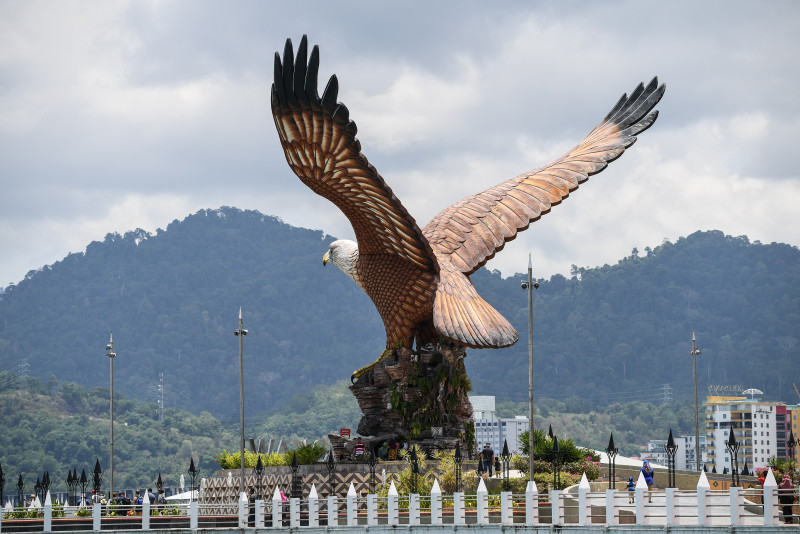
THE country’s domestic tourism sector continued to register robust expansion in 2025, with total domestic visitors reaching 290.1 million, marking an 11.5% increase from 260.1 million in 2024.
Chief statistician Datuk Seri Dr Mohd Uzir Mahidin said domestic tourism expenditure for the year totalled RM121 billion, reflecting a strong 13.3% year-on-year growth and underscoring the sector’s growing contribution to the national economy.
"Overall, Malaysia’s domestic tourism sector continues to function as a key pillar of economic growth, supported by rising visitor numbers, higher tourism expenditure, and resilient performance across tourism-related industries.
"The sustained growth observed in 2025 underscores the sector’s important role in strengthening domestic demand, supporting micro, small and medium-sized enterprises, and enhancing overall economic resilience,” he said in a statement.
The findings were published in the Bulletin of Malaysia’s Domestic Tourism Survey, Fourth Quarter 2025, issued by the Department of Statistics Malaysia (DOSM).
For the fourth quarter alone, domestic visitor numbers reached 74 million, representing a 10.8% increase year-on-year and a 2% rise compared with the previous quarter. Correspondingly, domestic tourism expenditure amounted to RM32.6 billion, up 12.4% year-on-year and 9.1% quarter-on-quarter.
The strong quarterly performance was driven by heightened travel activity among Malaysians, particularly during school holidays and year-end festive periods. Increased spending was recorded across accommodation, food and beverage services, transport, and retail segments linked to tourism.
Indicators from related industries also pointed to sustained momentum, with domestic arrivals at airports rising by 17.9% year-on-year and retail sales of automotive fuel increasing by 7.1%, reflecting higher mobility during the period.
"The accommodation sub-sector also recorded solid performance, with revenue expanding by 14.7% year-on-year. Hotel occupancy rates improved across all categories, signalling stronger demand for accommodation services,” Mohd Uzir added.
Meanwhile, industry stakeholders said efforts are being intensified to strengthen Malaysia’s positioning as a leading destination in the region. The Malaysian Association of Tour and Travel Agents (Matta) is aligning its strategy with the Tourism, Arts and Culture Ministry to enhance the country’s competitiveness ahead of Visit Malaysia 2026.
Matta president Nigel Wong said Malaysia’s geographical advantage within the Asean region, combined with affordability and improving currency strength, continues to attract travellers.
"The country remains one of the most cost-effective destinations in the region while offering modern infrastructure and high levels of comfort for travellers,” he said.
He added that inbound tourism from China has shown steady growth, supported by plans to expand direct flight connectivity beyond Kuala Lumpur to destinations such as Penang and other states. Additional routes are currently under negotiation, which are expected to further boost arrivals once finalised.
India has also emerged as a key growth market, with rising visitor numbers and strong spending patterns, supported by cultural familiarity that makes Malaysia an appealing destination for Indian travellers.
Wong said intra-Asean travel will remain central to Malaysia’s tourism strategy, given the region’s significance as a major source of visitors. At the same time, Malaysia will continue to engage long-haul markets, particularly in Europe, despite ongoing global geopolitical uncertainties.
Promotional campaigns and international sales missions will be maintained to sustain visibility in key markets and attract Western tourists when conditions improve.
"A key pillar of the Visit Malaysia 2026 strategy is strengthening domestic tourism, while Matta emphasises that a robust local tourism sector will help sustain businesses, including attractions and service providers, ensuring it remains resilient and well-prepared to meet future international demand.
"Overall, Malaysia adopts a comprehensive and balanced approach while focusing on regional, international, and domestic markets and also helps place the country in a strong position to achieve its tourism goals for 2026 and beyond,” he added. - March 22, 2026