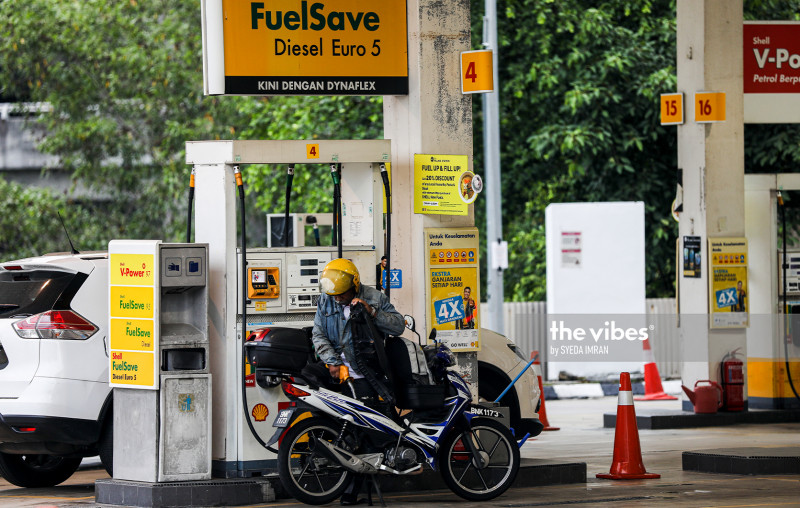
THE debate over fuel subsidies in Malaysia has resurfaced with fresh urgency following the escalating crisis in the Middle East, particularly as concerns grow over the sustainability of support for RON95 petrol and diesel.
While political arguments continue to dominate public discourse, a more fundamental reality underpins the issue: the country is bearing a substantial financial burden to shield consumers from rising living costs.
At present, motorists pay about RM1.99 per litre for RON95, significantly below the estimated market price of RM3.87.
The gap underscores the scale of government intervention, with nearly RM72 billion spent annually on fuel and energy subsidies.
This figure represents more than a budgetary line item; it is a broad-based form of social protection for Malaysians.
The central question, however, is how long such a model can be sustained under growing fiscal pressure.
Against this backdrop, the government’s move to introduce targeted diesel subsidies is intended not as a withdrawal of assistance, but as a recalibration to ensure support reaches those most in need.
For years, leakages in the subsidy system have persisted, including smuggling activities and usage by industries not meant to benefit from subsidised rates.
The current reform effort is therefore positioned as a step towards strengthening the system rather than burdening the public.
Yet the greatest challenge lies not only in policy execution, but in shaping public perception.
The subsidy issue has often been politicised, but it carries implications that extend far beyond short-term electoral considerations.
Both the government and opposition face a shared responsibility to approach the matter with candour and cooperation.
Fuel subsidies are not merely a political talking point, but a national issue requiring consensus and long-term thinking.
Public awareness has also evolved, with citizens increasingly demanding transparency and fact-based explanations rather than rhetoric. A narrative driven by blame risks undermining confidence and, ultimately, harming those the policy is meant to protect.
There is a growing call for all stakeholders to engage constructively, identify common ground and develop sustainable solutions. Safeguarding public welfare must take precedence over narrow political interests.
Malaysia now faces a broader economic test.
Regardless of political alignment, the overarching goal remains the same: to protect citizens while preserving the country’s fiscal health for the future. - April 9, 2026