PUTRAJAYA has unveiled a series of immediate fiscal and regulatory measures aimed at easing cost pressures on micro, small and medium enterprises (SMEs) affected by escalating global energy disruptions and wider geopolitical tensions impacting supply chains.
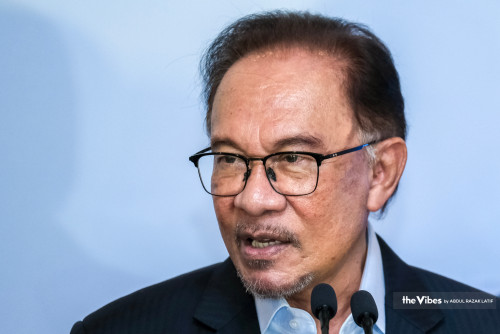
Prime Minister Datuk Seri Anwar Ibrahim said the interventions were designed following direct engagement sessions with SMEs to better understand on-the-ground challenges, as businesses continue to grapple with rising operational costs, logistics constraints and input price pressures linked to the ongoing global energy crisis.
The initiative forms part of the government’s continued response under the MADANI framework, with Anwar, who also serves as Finance Minister, noting that engagement sessions had been expanded across communities.
“In the face of intensifying global pressures, the MADANI Government is not delaying, but instead is swiftly mobilising action guided directly by feedback from industry players, to ensure that every measure taken truly reaches those who need it,” he said.
The Finance Ministry said spillover effects from conflicts in West Asia have led to disruptions in energy supply, higher logistics and insurance costs, and sustained pressure on input prices affecting traders, manufacturers, farmers and other industry players.
Among the key measures announced is a RM5 billion guarantee allocation under Syarikat Jaminan Pembiayaan Perniagaan (SJPP), targeted at supporting affected SMEs, particularly in construction, agriculture and agri-food, logistics and transport, and tourism.
Under the enhanced scheme, coverage has been increased to up to 80 per cent, compared with the standard 70 per cent, while the guarantee period has been extended to 10 years from seven years.
SJPP will also work with banks to facilitate restructuring and rescheduling of existing financing, as well as targeted repayment assistance for affected borrowers.
According to the ministry, more than 50,000 SMEs have benefited from SJPP guarantees exceeding RM50 billion between 2023 and 2025.
The government also announced a 12-month extension for the e-Invoicing transition period under Phase 4, now extended to 31 December 2027 for businesses with annual sales between RM1 million and RM5 million.
During this period, businesses will be allowed to issue consolidated e-invoices without penalties.
In addition, interim consideration will be given to exemptions from import duties and sales tax for the re-importation of Malaysian-made goods that were unable to complete export processes due to conflict-related disruptions, up to 31 December 2026.
The government said it will continue monitoring developments to determine further tax facilitation measures for businesses impacted by the West Asia conflict.
Anwar stressed that Malaysia would remain proactive in strengthening economic resilience amid prolonged global uncertainty.
“The Government will continue to strengthen cooperation with financial institutions, industry players and entrepreneurs so that every measure taken truly helps sustain business operations and protect jobs for the people. This is not a temporary situation; we must be prepared for gradual and prolonged changes,” he said.
The Ministry of Finance said the measures align with the broader Ekonomi MADANI framework, which focuses on enhancing economic resilience while ensuring targeted assistance reaches those most affected by global economic volatility. - April 20, 2026