THE death of political aide Teoh Beng Hock while under questioning by the Malaysian Anti-Corruption Commission (MACC) in 2009 became the defining crisis that forced the agency to reassess its culture, procedures and public standing, according to Chief Commissioner Tan Sri Azam Baki.
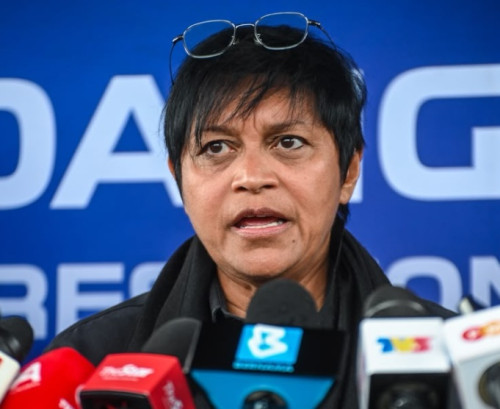
Speaking in the MACC-produced podcast Kolar Hitam Bukan Sekadar Operasi released on YouTube on Monday, Azam said the tragedy had exposed deep institutional shortcomings and became the catalyst for a long-term transformation within the anti-graft body.
“To be frank, the death of Teoh Beng Hock awakened us from our negligence,” he said.
“So, we sought ways to restore our image and credibility through the transformation initiated under the leadership of Tan Sri Abu Kassim Mohamed at the time.”
Azam said the reform process that began in the aftermath of the incident had continued through successive administrations and should never be viewed as complete.
He described institutional reform as a “living thing” that must constantly evolve in response to changing realities and challenges faced by enforcement agencies.
“These reforms must always continue. A transformation that may have been relevant one or two years ago may no longer be relevant today. We must look for new solutions,” he said.
The remarks came as MACC highlighted its enforcement record during Azam’s tenure as chief commissioner, which began in 2020.
According to MACC Strategic Communications Division director Hisyam Mohd Yusoff, the agency has arrested 6,643 individuals since 2020, with 2,843 suspects brought before the courts on corruption-related charges.
During the same period, authorities secured 1,459 convictions, while several high-profile investigations were said to have been successfully concluded.
“From the aspect of arrests, a total of 6,643 individuals were detained from 2020 until today,” Hisyam said.
The year 2024 recorded the highest number of arrests at 1,334, followed by 1,145 in 2025 and 1,137 in 2023. A total of 269 arrests have been recorded so far this year.
Azam also stressed the importance of reviewing existing standard operating procedures to ensure investigations and enforcement methods remain effective and aligned with current demands.
He warned that leaders who refuse to listen to their teams risk undermining the very institutions they lead.
“We need to correct the way we carry out our duties. As Chief Commissioner, I cannot think alone. We work as a team,” he said.
“If a leader believes he alone is intelligent, then he is heading towards destruction.”
Last July, Azam publicly extended an apology and expressed sympathy to the family of Teoh Beng Hock over the suffering they endured following his death while in SPRM custody.
The apology was issued on the 16th anniversary of Teoh’s death. Teoh had served as political secretary to then Selangor executive councillor Ean Yong Hian Wah. - May 11, 2026