THE collapse of Malaysia’s US$147 million naval missile deal with Norway, as first reported by the South China Morning Post (SCMP), is raising uncomfortable questions about how much control third parties — particularly the United States — wield over international defence contracts.
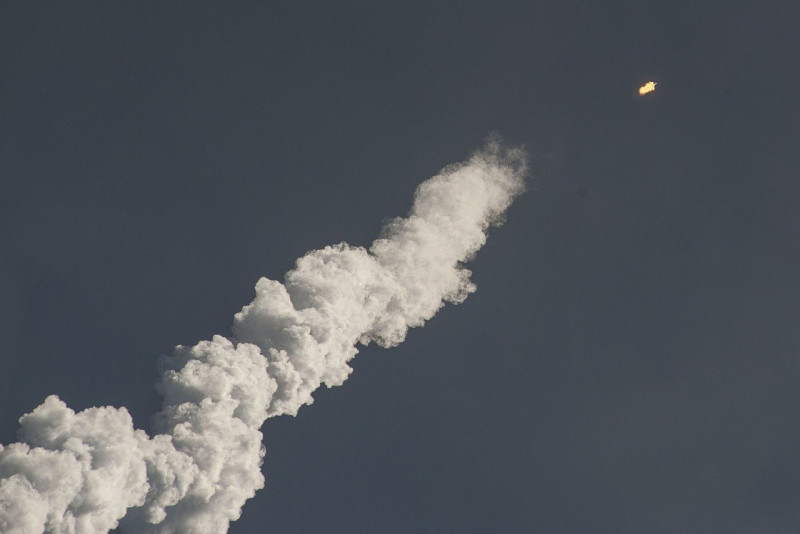
The aborted agreement, involving Norway’s Naval Strike Missile, has not only triggered diplomatic friction but also highlighted a deeper vulnerability: even deals between sovereign nations can unravel if critical components fall under foreign export controls — a point underscored in SCMP’s reporting on the issue.
Analysts believe that US-made parts embedded within the missile system — especially components tied to its guidance technology — may have played a decisive role in Norway’s decision to revoke export licences.
If true, it underscores Washington’s ability to indirectly veto arms transfers far beyond its borders.
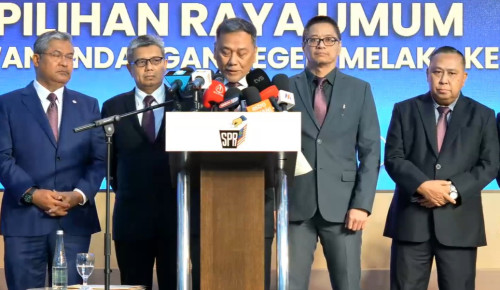
The fallout has drawn a sharp response from Datuk Seri Anwar Ibrahim, who made clear that Putrajaya views the reversal as a serious breach of trust.
He reportedly conveyed Malaysia’s “vehement objection” directly to Norway’s leader, Jonas Gahr Støre, stressing that defence contracts cannot be treated lightly or discarded without consequence.
Defence Minister Datuk Seri Mohamed Khaled Nordin went further, signalling that Malaysia is preparing to pursue compensation exceeding US$250 million.
The figure reflects not only payments already made, but also the cascading costs of reconfiguring naval vessels, retraining personnel, and sourcing an entirely new weapons system.
A “hidden veto” in global defence deals
While Norway cited a policy shift restricting sensitive exports to NATO allies and close partners, observers point to a more complex reality.
The missile system, developed by Kongsberg, reportedly depends on key US-origin technologies — placing it under Washington’s export regime.
Abdul Rahman Yaacob, a research fellow in the UAE, noted that the episode “demonstrates the reach of the US defence industry globally,” suggesting Washington’s role may have been decisive in halting the transfer despite Malaysia having already paid most of the contract.
This means that even if Oslo was the direct supplier, final approval may ultimately have rested elsewhere.
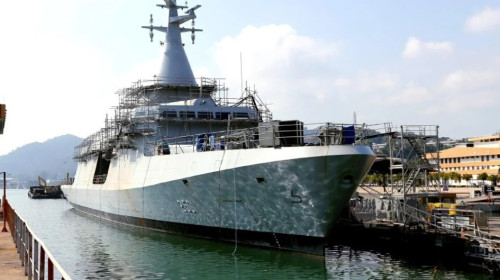
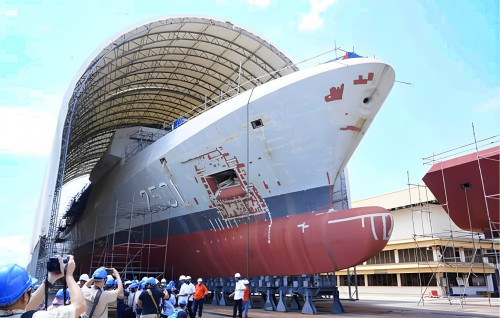
For Malaysia, the implications are immediate and costly. The missiles were intended for its long-delayed littoral combat ship (LCS) programme — a cornerstone of naval modernisation — as well as existing frigates that form the backbone of an ageing fleet.
No easy replacement
Replacing the Norwegian system will not be straightforward.
Experts note that Malaysia’s warships were specifically designed around the Naval Strike Missile, with integrated radar systems, wiring, and combat software tailored to its specifications.
Senior international and strategic analyst, Dr Lam Choong Wah, warned that switching systems would be “very costly and extremely time-consuming,” as any alternative would require extensive redesign rather than a simple replacement.
It is not just a technical challenge. Each alternative supplier brings its own political and strategic considerations, potentially creating new dependencies similar to those Malaysia now faces.
Strategic ripple effects
Beyond Malaysia, the episode is likely to reverberate across Asia’s defence landscape.
Countries in the region may begin reassessing procurement strategies, with a growing emphasis on reducing reliance on systems containing US-controlled components.
The goal: minimise the risk of future disruptions driven by external geopolitical pressures.
At the same time, broader geopolitical dynamics may also be at play. Malaysia’s relatively balanced approach towards China, coupled with its engagement in multilateral groupings that include Beijing and Moscow, could have contributed to unease among Western partners.
Whether driven by US export restrictions, alliance politics, or a combination of both, the outcome is the same — a costly setback for Malaysia and a cautionary tale for others.
For Putrajaya, the priority now is twofold: resolve the immediate capability gap and ensure future defence deals are insulated from similar shocks. – May 21, 2026