THE Ministry of Health (MOH) is refining urgent measures to leverage SOCSO’s world-class rehabilitation centres for broader patient access, including children with cerebral palsy (CP), as part of efforts to reduce congestion and capacity constraints in government healthcare facilities.
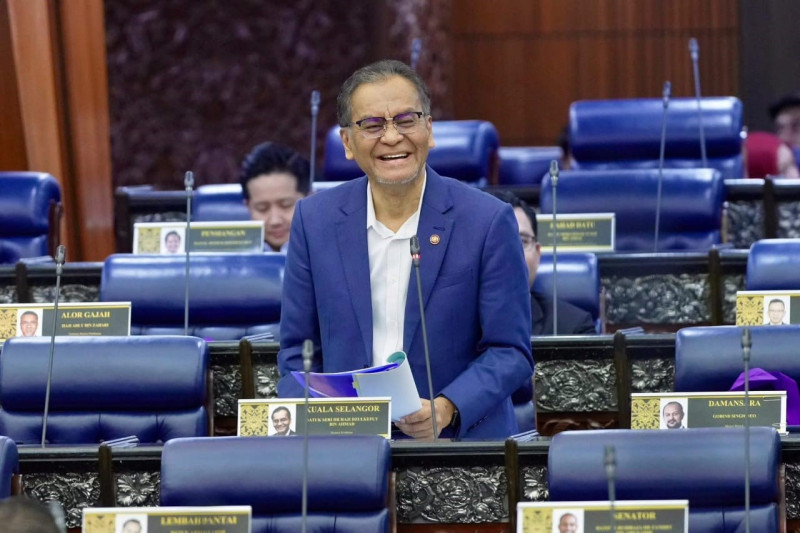
Health Minister Datuk Seri Dr Dzulkefly Ahmad said the initiative is aimed at optimising existing high-end rehabilitation infrastructure through a cross-ministerial approach, particularly where public facilities are facing shortages in specialist capacity and treatment space.
He acknowledged, however, that there are current legal constraints as SOCSO’s facilities operate under the Employees’ Social Security Act 1969 (Act 4), which limits services to contributors, while the Ministry of Health operates under the Private Healthcare Facilities and Services Act 1998 (Act 586).
“I see it as very important that we urgently address this limitation. SOCSO’s rehabilitation sector provides world-class, high-technology services such as neuro-robotics and the Walk Again programme,” BH quoted him saying in the Dewan Rakyat today.
He said discussions were underway to enable the implementation of the Health Services Outsourcing Programme (HSOP), allowing MOH to utilise SOCSO’s advanced facilities for non-contributing patients as well.
“Through this programme, we can make use of these state-of-the-art SOCSO facilities not only for contributors but also for other patients,” he added.
Responding to questions on cerebral palsy cases, the minister said MOH recorded 1,076 CP cases treated at its clinics and hospitals between 2016 and 2025.
He explained that cerebral palsy causes are typically categorised into prenatal, perinatal and postnatal phases.
Prenatal causes often involve infections, with the ministry highlighting the importance of MMR vaccination for expectant mothers to prevent rubella infection from crossing the placenta to the foetus.
Perinatal cases are commonly linked to hypoxic-ischemic encephalopathy (HIE), a condition caused by oxygen deprivation during birth, while postnatal cases may arise from brain infections after birth.
Dr Dzulkefly said early screening, intensive treatment and multidisciplinary rehabilitation programmes remain central to the ministry’s approach in preventing long-term disability and improving patient outcomes.
He also commended NGOs such as the Cerebral Palsy Children’s Association (GAPS), noting that many children with CP possess normal cognitive abilities and can thrive with proper intervention.
“If early intervention is carried out promptly through a whole-of-government approach involving the Health Ministry, Education Ministry, Women, Family and Community Development Ministry, and Human Resources Ministry, we can ensure these children remain productive,” he said.
He added that such coordinated efforts would enable children with cerebral palsy to access education, employment opportunities and family life, while contributing meaningfully to society. - June 29, 2026
.jpeg)