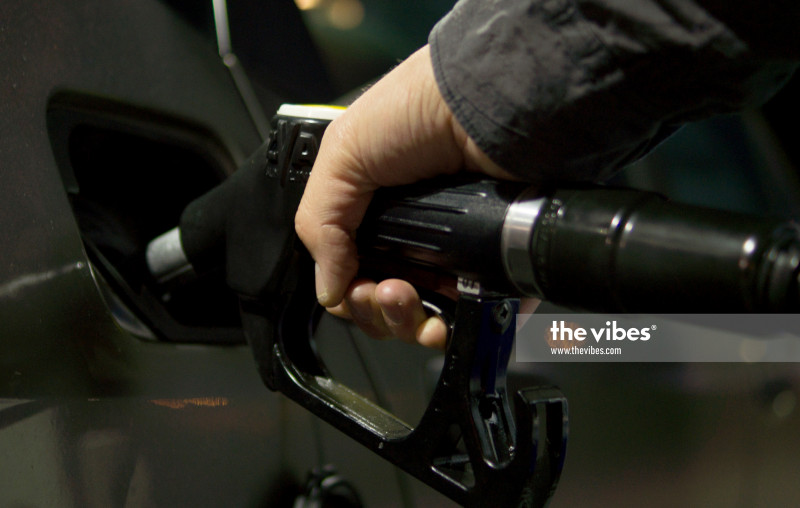
THE nation is expected to spend almost RM40 billion on petrol and diesel subsidies this year, highlighting the mounting fiscal burden of volatile global energy markets despite the government's continued commitment to shielding consumers and critical industries from higher fuel prices.
Prime Minister Datuk Seri Anwar Ibrahim said subsidy expenditure would substantially exceed the RM15 billion allocated under Budget 2026 if prevailing market conditions persist.
“Should current market prices remain, the government is expected to bear total petroleum product subsidy costs of nearly RM40 billion for 2026,” Anwar said in a written parliamentary reply to the Dewan Rakyat.
Anwar, who also serves as the Finance Minister, revealed that monthly subsidy spending on RON95 petrol and diesel stood at almost RM800 million in January and February before surging to about RM5 billion a month in March and April following a sharp increase in global oil prices.
Responding to a question from Salamiah Mohd Nor (PN–Temerloh), Anwar said the additional expenditure has enabled all Malaysians aged 16 and above to continue purchasing RON95 petrol at the subsidised price of RM1.99 per litre.
He said government assistance also extends to several strategic sectors to cushion the impact of higher fuel costs on the broader economy.
Fishermen continue to receive subsidised diesel at RM1.65 per litre, while monthly BUDI Agri-Komoditi cash assistance for more than 210,000 farmers and smallholders in Peninsular Malaysia has been temporarily increased from RM200 to RM400 following the rise in global oil prices linked to geopolitical tensions, Anwar explained.
He added that under the Subsidised Diesel Control System (SKDS) 1.0, public transport operators, including school buses and express buses, continue to receive diesel at RM1.88 per litre.
The scheme has also been expanded to eligible logistics and freight operators in Sabah and Sarawak, enabling commercial vehicles to purchase subsidised diesel at RM2.15 per litre.
Anwar said that targeted groups, including boat operators, generator users and residents in remote rural communities who depend on water pumps, are eligible for BUDI Diesel assistance through the MyKad mechanism, subject to criteria established by state governments and relevant agencies.
He said Malaysia's petroleum supply remains stable despite ongoing global market uncertainties, and the government will continue strengthening long-term energy security while maintaining targeted subsidy programmes.
“The government's priority is to ensure the people continue to be protected should this crisis be prolonged, particularly those most affected by cost-of-living pressures and rising global prices,” he said.
Anwar added that the government would continue assessing its fiscal position and subsidy capacity to ensure fuel assistance remains targeted, sustainable and fiscally responsible over the longer term. - July 1, 2026