Malaysia

eFishery loss will not jeopardise KWAP’s finances or pension payments - Tengku Zafrul

The investment loss will have no significant impact on Retirement Fund Incorporated (KWAP)’s financial position or the government’s ability to continue paying civil service pensions

Updated 2 months ago · Published on 20 Jul 2026 6:03PM

eFishery loss will not jeopardise KWAP’s finances or pension payments - Tengku Zafrul
The total eFishery investment was less than one per cent of KWAP’s investment income in 2024, Tengku Zafrul says - July 20, 2026

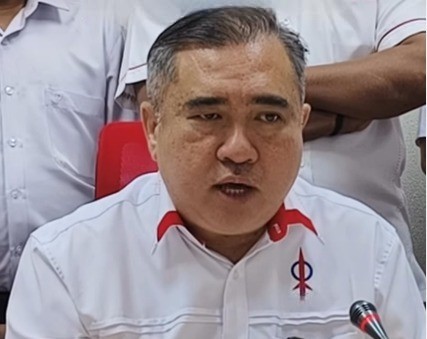
THE investment loss involving Indonesian aquaculture technology company eFishery will not significantly affect Retirement Fund Incorporated (KWAP)’s financial strength or its capacity to support government pension payments, said Datuk Seri Tengku Zafrul Abdul Aziz.

The Senior Political Advisor to the Prime Minister said KWAP’s total fund size stood at RM195 billion in 2025, while the retirement fund recorded RM18 billion in investment income in 2024, its latest audited financial year.

"The total eFishery investment was less than one per cent of KWAP’s investment income in 2024, while in 2025, the total eFishery investment was less than 0.1 per cent of the overall fund," he said in a video posted on Facebook today.

Tengku Zafrul stressed that the government’s obligation to pay civil servants’ pensions remained unchanged, as KWAP operates differently from the Employees Provident Fund (EPF).

"Civil servants do not have individual savings accounts that would be reduced when a single investment suffers losses.

"So regardless of what happens with eFishery, the government will continue paying public sector pensions as usual," he said.

He clarified that the actual loss incurred by KWAP from the investment was RM163 million, rather than RM200 million as previously reported, with efforts underway to recover the funds.

"The RM163 million remains public money. Every sen that can be recovered must be pursued.

"If there was negligence, those responsible must face action. We will not hide failures, but we must not mislead the public by claiming that KWAP is nearly bankrupt and that civil servants’ pensions cannot be paid," he said.

Earlier, Prime Minister Datuk Seri Anwar Ibrahim said the eFishery investment was made through established assessment and governance procedures based on available information.

He said the process included verification of financial statements by qualified international auditors and independent due diligence conducted by a consortium of investors, including KWAP. - July 20, 2026


Spotlight

Malaysia

Papagomo acquitted for second time in sedition case over government, Israel claims

Malaysia

ECRL fares start at RM60, with 50% discounts for children, seniors and OKU

Malaysia

DKU seeks court action against Ismail, 16 others over Negeri Sembilan royal dispute

By Alfian Z.M. Tahir

Malaysia

Kampung Manis: Dreams of 227 families to own replacement homes draw closer

Malaysia

Fadhlina takes legal action over video of 2023 Parliament speech

By Alfian Z.M. Tahir

Malaysia

Civil servants urged to turn Selangor Sultan’s anti-graft message into action

Malaysia

Animal welfare group urges probe into alleged sexual abuse of cat in viral video

Malaysia

Macron appeals for calm after France riots: 2,400 arrested, nearly 1,000 officers injured

Malaysia

Malaysia renews offer to help Indonesia fight fires

You may be interested

Malaysia

Sabah seeks immediate payment of undisputed 40% revenue claim from 2022

Malaysia

Papagomo acquitted for second time in sedition case over government, Israel claims

Malaysia

M40 cost-of-living aid, online safety among key questions in Parliament

Malaysia

Woman remanded for four days over discovery of headless baby’s body in Terengganu

Malaysia

Teresa Kok’s defamation suit: Akmal Saleh ordered to pay RM300,000

Malaysia

DAP lawmakers’ risk being dropped as party tightens KPI checks ahead of GE16

Malaysia

Fahmi condemns threats against UM student over corruption remarks

By Alfian Z.M. Tahir

Malaysia

Oil prices ease but supply risks persist