DIESEL sales in Sabah and Sarawak reached approximately 200 million litres per month in March and April, around twice the level expected based on the number of registered diesel-powered vehicles in the two states, reinforcing the government's case for reforming Malaysia's diesel subsidy system.
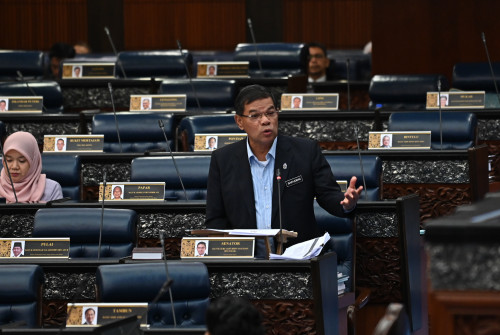
The Finance Ministry (MOF) said the unusually high consumption was one of three key factors behind the government's decision to implement targeted diesel subsidy reforms, according to a written reply to Senator Datuk Nelson W. Angang published on the Parliament website.
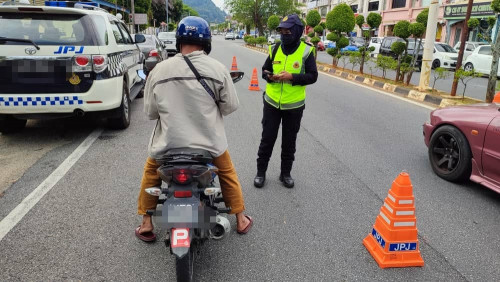
The ministry said the substantial price gap between subsidised diesel in Sabah and Sarawak, previously sold at RM2.15 per litre, and market prices had fuelled smuggling activities while allowing non-citizens, who were not entitled to the subsidy, to benefit from the scheme.
The other two factors were the sharp rise in fuel subsidy expenditure following higher global oil prices and supply chain disruptions caused by the West Asia conflict, which threatened national fuel security, as well as the successful public acceptance of the BUDI95 programme through its MyKad-based eligibility verification mechanism.
On June 21, Prime Minister Datuk Seri Anwar Ibrahim announced a comprehensive overhaul of Malaysia's diesel subsidy system, standardising pump prices nationwide at market rates while introducing a single mechanism for fuel subsidy management.
Under the new system, eligible Malaysians access RON95 petrol and diesel subsidies through MyKad verification, while the subsidised diesel price for qualified recipients has been reduced to RM2.10 per litre.
The Finance Ministry stressed that although the government and Petronas had worked extensively to diversify fuel supply sources and safeguard national energy security, those efforts would be undermined unless subsidy leakages were addressed decisively.
The ministry said the problem was particularly acute in Sabah and Sarawak, where non-citizens had also been purchasing subsidised diesel at RM2.15 per litre.
"The significant price gap with neighbouring countries has created opportunities for smuggling that are difficult to curb, even though enforcement has been intensified," it said.
MOF added that the BUDI MADANI reforms are expected to deliver two principal outcomes: ensuring a stable domestic supply of diesel and enabling eligible Malaysians to continue purchasing diesel at a lower price.
The ministry said setting diesel prices at market rates would more effectively curb leakages caused by smuggling and misuse by non-citizens and industrial users, thereby safeguarding fuel supplies in the domestic market.
"This reform is expected to save up to RM2 billion in subsidy expenditure annually, enabling the government to allocate part of the savings towards reducing the subsidised diesel price from RM2.15 to RM2.10 per litre.
"This means the reform allows Malaysian citizens to enjoy the privilege of purchasing diesel at a lower price as a benefit of citizenship," it said.
The ministry also reaffirmed the government's commitment to ensuring that households and small and medium-sized enterprises (SMEs) remain protected despite the implementation of targeted fuel subsidies.
"This measure will enable the government to increase targeted assistance for the people, thereby boosting disposable income, which will in turn have a positive impact on the country's economic environment," it said. - July 24, 2026