LEMBAGA Tabung Haji (TH) relied on what a Royal Commission of Inquiry (RCI) described as “creative accounting practices” to justify high hibah payouts between 2014 and 2017, despite its financial position being unable to support the distributions.
The RCI report released on Wednesday found that TH’s use of realisable asset value (RAV), instead of asset values reflected in its audited financial statements, had allowed the fund to present a stronger financial position than it actually had.
The approach enabled TH to meet the requirements under Section 22 of the Tabung Haji Act 1995 when declaring hibah, even as its reserves were being weakened, according to the report.
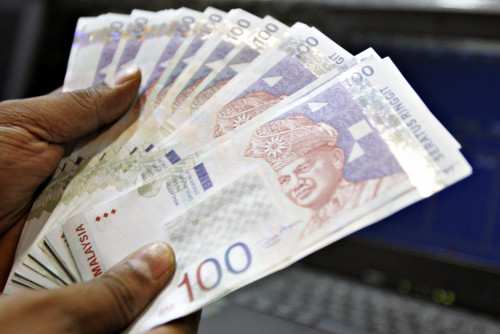
In the context of the Tabung Haji (TH) Royal Commission of Inquiry (RCI) report specifically, hibah refers to the annual profit distribution or return paid by Lembaga Tabung Haji to its depositors.
The commission said TH’s management had taken the view that the law did not clearly define what constituted “assets”, giving it room to determine how asset values should be calculated.
However, the RCI found that the method resulted in some investments being valued above figures recorded in audited accounts, while losses from investments that had declined below their original purchase price were not fully recognised.
The report said the practice of maintaining attractive hibah rates helped TH retain depositors but also pushed the institution away from its original role of managing savings for Muslims preparing for Haj.
It warned that the dependence on high returns created a risk of large-scale withdrawals if TH was forced to reduce its payouts.
That concern surfaced in 2019 after TH announced a 1.25% hibah, when deposits dropped to RM69 billion by the end of the year from about RM73 billion before the announcement.
The RCI said the withdrawals were smaller than initially feared, allowing TH to avoid a more serious liquidity crisis.
The commission also linked the pressure to sustain hibah payouts with TH’s investment decisions, saying the fund had taken on greater risks by increasing its exposure to equities, leaving it more vulnerable to market fluctuations.
The issue came under scrutiny after the Auditor-General raised concerns over TH’s financial asset impairment policies in 2017.
The RCI noted that TH had failed to recognise RM227.81 million in impairment losses involving three subsidiaries and three associate companies, including RM164.58 million related to TH Heavy Engineering Bhd.
Following the findings, TH appointed PricewaterhouseCoopers (PwC) to review its financial position between 2014 and 2017.
PwC found that TH had been in an asset-liability deficit position since 2014.
The RCI said if TH had fully adopted Malaysian Financial Reporting Standards (MFRS) in 2017, the fund would have recorded a net loss of RM1.4 billion instead of the RM3.4 billion profit reported in its financial statements.
The commission also criticised the National Audit Department, saying the Auditor-General should not have issued a clean audit opinion on TH’s 2017 financial statements.
Although the audit report contained an “emphasis of matter”, the accounts were still given an unqualified opinion.
The RCI said the Auditor-General had initially considered issuing a qualified opinion unless TH recognised the impairment losses and addressed weaknesses in its financial reporting policies.
However, the decision was later changed over concerns that a qualified opinion could affect public confidence, particularly among depositors.
The commission said this meant considerations beyond the audit process had influenced the decision.
It added that without a clean audit opinion, TH should not have declared a 4.5% annual hibah and an additional 1.75% Haj hibah in 2017, which cost the fund RM2.75 billion.
The RCI also highlighted the growing burden of the Haj Financial Assistance Scheme (Hafis), saying the subsidy programme had placed additional pressure on TH’s finances.
It said TH’s involvement in areas such as property and plantation investments, as part of its wider role as a “pillar of the ummah economy”, had moved the institution beyond its original mandate.
Between 2014 and 2019, TH charged Muassasah pilgrims RM9,980 each, with the remaining cost covered through Hafis.
The subsidy amount rose from RM106 million in 2014 to RM300 million in 2019.
While TH later introduced a two-tier Haj payment structure in 2022, the RCI warned that the subsidy burden would remain significant.
It estimated Hafis could cost nearly RM400 million annually from 2022 and rise to RM742.47 million by 2030 if Haj costs continued increasing while pilgrim payments remained unchanged.
The commission warned that rising subsidy commitments, which are funded through TH’s investment returns, could eventually affect hibah payments and increase pressure on the institution’s deposit base. - July 30, 2026