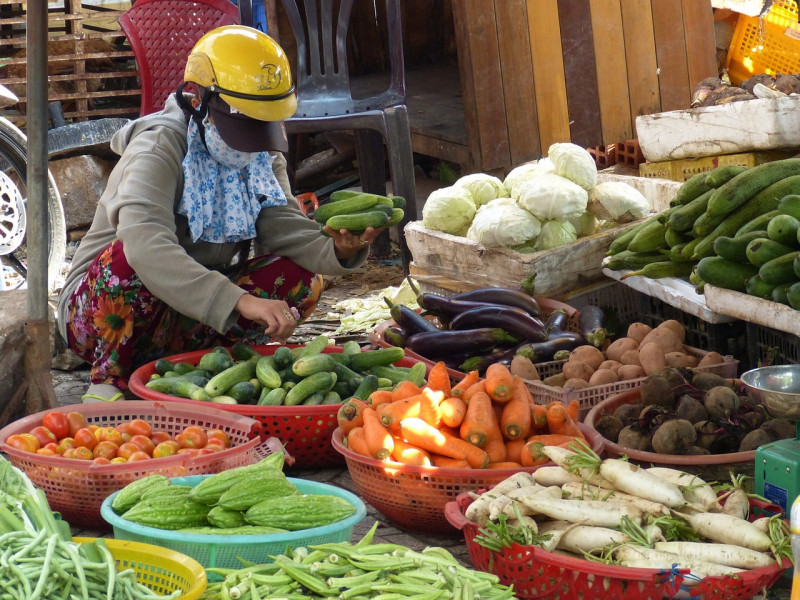
THE government has introduced a three-tier strategy to stabilise Malaysia's food supply and prices in response to ongoing geopolitical tensions in West Asia, with measures spanning immediate financial assistance, productivity improvements and long-term legislative reforms.
Deputy Agriculture and Food Security Minister Datuk Chan Foong Hin said the strategy comprises short, medium and long-term initiatives designed to reduce production costs, increase domestic food output and strengthen the country's food security.
Under the short-term measures, the government has granted a temporary Sales and Service Tax (SST) exemption on selected agricultural fertilisers until Dec 31, 2027.
"The Ploughing Incentive for Paddy Farmers (IPKP) has also been increased from RM160 to RM300 per hectare for the 2026 planting season, involving an additional allocation of about RM40 million and benefiting nearly 200,000 paddy farmers.
"The BUDI Agri-Komoditi cash assistance has been increased from RM300 to RM400 a month since April, while the diesel subsidy for fishermen remains at RM1.65 per litre for Zone A, B and C vessels," he said.
Chan was responding to a question from Senator Datuk Wira Dr Mohd Hatta Md Ramli during Question Time in the Dewan Negara on the government's strategy to stabilise food supplies and prices following the conflict in West Asia.
For the medium term, he said the government would focus on optimising productivity across existing food production areas while expanding community-based self-sufficiency initiatives.
These include programmes such as Program Kebuniti and the Household Kitchen Garden Programme, aimed at encouraging greater local food production.
Looking further ahead, Chan said the government is drafting a National Food Security Bill, establishing a fertiliser buffer stock mechanism and developing National Food Production Zones to strengthen the country's long-term food resilience.
"KPKM is optimistic that through this comprehensive approach and dynamic structural strategy, the national food supply ecosystem will remain strong and resilient in facing any impact arising from the geopolitical crisis in West Asia," he said.
He added that the ministry is also realigning the National Agri-Food Empowerment Programme (PPAN 2026), prioritising high-impact flagship projects over secondary initiatives to maximise the effectiveness of government investment in the agricultural sector. - August 4, 2026
.jpg)



_director_Datuk_M._Kumar.jpg)