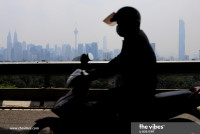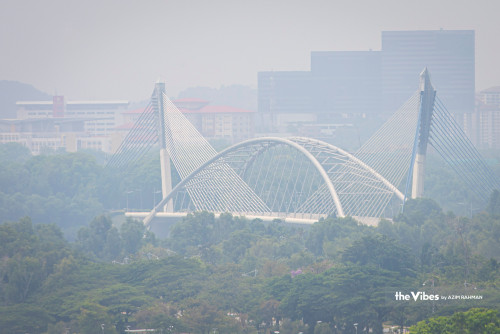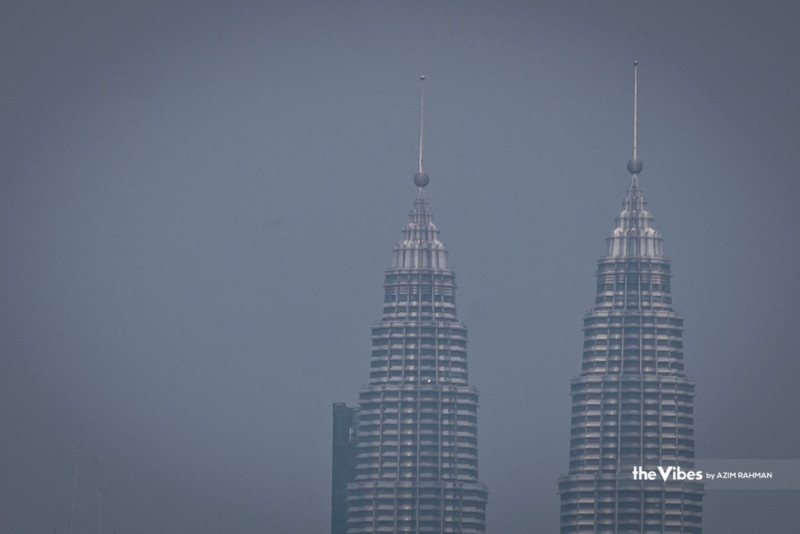
CASES of respiratory tract infections rose by 10.4 per cent to 3,875 during Epidemiological Week (ME) 40/2026, up from 3,509 cases in ME 39/2026, following the recent prolonged haze conditions.
The Ministry of Health (MOH) stated that cases of conjunctivitis (eye inflammation) also increased by 26.47 per cent, rising from 102 to 129 cases during the same period.
However, asthma cases declined by 13.64 per cent, dropping from 535 to 462 cases.
According to the MOH, monitoring of haze-related illnesses will be further strengthened, as exposure to polluted air can adversely affect health, particularly among children, the elderly, pregnant women, and individuals with lung or heart conditions.
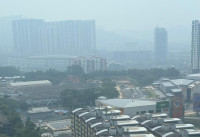
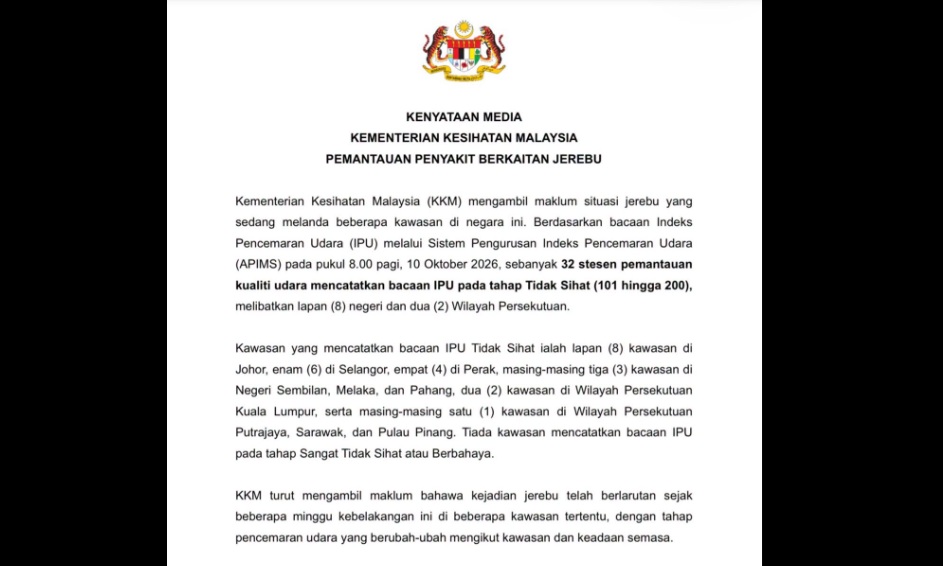
The MOH is also monitoring the prolonged haze affecting several areas recently, noting that air pollution levels fluctuate depending on location and prevailing conditions.
To monitor the impact of the haze on public health, the MOH conducts surveillance of haze-related illnesses through 78 selected health facilities nationwide.
In this regard, the public, particularly those in areas with Air Pollutant Index (API) readings at unhealthy levels, is advised to take appropriate precautionary measures.
Recommended measures include avoiding or postponing outdoor activities, especially for high-risk groups such as children, the elderly, and individuals with lung or heart conditions.
The public is also advised to limit time spent outdoors and to use suitable face masks, such as N95 masks, if it is necessary to be outside during the haze.
Strenuous outdoor physical activities, including sports and recreational pursuits, should be avoided or postponed, particularly in areas recording unhealthy API readings.
According to the MOH, strenuous physical activity increases the breathing rate and the volume of polluted air inhaled.
Organisers of outdoor activities should also take current haze conditions into account and postpone events if air quality reaches unhealthy levels.
Meanwhile, drivers are advised to slow down or stop at a safe location if visibility is poor, to reduce the risk of accidents and injuries caused by haze or fog.
The MOH also encourages the public to keep windows closed to minimise the entry of haze into homes or buildings and to avoid activities that could increase indoor air pollution, such as smoking.
Indoor environments should also be kept clean to help reduce exposure to pollutants.
Individuals with chronic illnesses, specifically asthma, as well as lung and heart diseases, are reminded to take their medication as prescribed.
Those experiencing symptoms such as shortness of breath, worsening cough, or breathing difficulties are advised to seek immediate medical treatment.
The public is also encouraged to regularly check Air Pollutant Index (API) readings via the Department of Environment’s (DOE) official channels and to take appropriate preventive measures based on the air quality levels in their respective areas.
Further information on preventive measures and health protection during haze episodes can be obtained from the Ministry of Health (MOH) website at https://infosihat.moh.gov.my/isu-semasa/51-jerebu.html. – October 10, 2026