Murray Hunter
A BLACK Swan event is an extremely rare, unpredictable occurrence with severe, widespread consequences.
Nassim Nicholas Taleb popularised the term to describe disruptions that lie outside regular expectations, deliver extreme impact, and only appear obvious in hindsight.
Most of the world's media has underplayed the escalating tensions in the Gulf, yet the risks to global energy supplies are mounting in ways that could soon test Malaysia’s carefully maintained illusions of stability.
Over the last few months, the conflict involving Saudi Arabia and Ansar Allah in Yemen has intensified.
Strikes have hit Aramco facilities, including administrative buildings at its Dhahran headquarters, along with airports and infrastructure.
Red Sea shipping routes face ongoing threats, while broader regional tensions, including pressures around the Strait of Hormuz, have constrained flows and driven oil prices higher.
Brent crude has hovered well above US$100 a barrel.
Supplies have not collapsed to nothing, but disruptions, higher tanker costs, and the threat of further escalation have tightened markets and depleted some national stockpiles.
Fertiliser and related inputs face parallel pressures.
These developments are not entirely unforeseen given the long-running Yemen and Iranian conflicts, yet a sudden sharper restriction on Gulf exports could still deliver the kind of shock that catches systems unprepared.
Malaysian consumers have so far been cushioned.
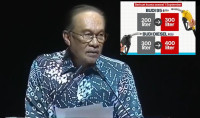
Targeted subsidies under the Budi Madani scheme keep RON95 at RM1.99 and diesel at RM2.10 for eligible users, while the government absorbs the difference against unsubsidised prices that have recently traded around RM4.60 – RM5.20.
The fiscal cost is already substantial, which is projected at around RM40 billion for the coming year.
This protection has allowed everyday life and economic activity to continue with relatively little visible strain, even as the rest of the world has absorbed higher energy costs.

Petronas and the national stockholding system provide a buffer, and official statements continue to assure that supplies remain sufficient for now.
Yet buffers are not infinite. National stockpiles are finite, and prolonged high prices plus any further interruption to refined product or crude flows from the Middle East would test them.
Malaysia is a net importer of certain petroleum products in periods of strong demand.
If regional refining constraints or shipping risks intensify, the gap between subsidised pump prices and actual landed costs widens further, placing greater strain on public finances at a time when other spending pressures already exist.
A sudden physical shortage such as queues at stations, prioritisation of essential services, or temporary rationing would then arrive as a shock to a population accustomed to the comfort of subsidies.
This impact would be felt across the economy and daily life.
Transport costs would spike for logistics, food distribution, and commuting. Small businesses, especially those reliant on diesel generators or delivery fleets, would face immediate pain.
Agricultural and industrial users of related inputs could see knock-on effects.
GDP growth projections for the year would come under pressure.
For ordinary Malaysians, the disruption to mobility and household budgets would be more immediate and personal than abstract fiscal numbers.
Governments prefer to manage perception. Subsidies create the appearance of insulation and political calm.
Acknowledging any vulnerability risks public anxiety.
Yet ignoring the tail risks is precisely how black swan events inflict maximum damage.
Contingency planning does not require panic.
It requires quiet preparation in developing clear protocols for prioritising fuel to hospitals, public transport, food supply chains and essential industries; transparent communication about stock levels; exploration of demand-management measures short of abrupt rationing; and realistic assessment of how long subsidies can be sustained if prices remain elevated or supplies tighten further.
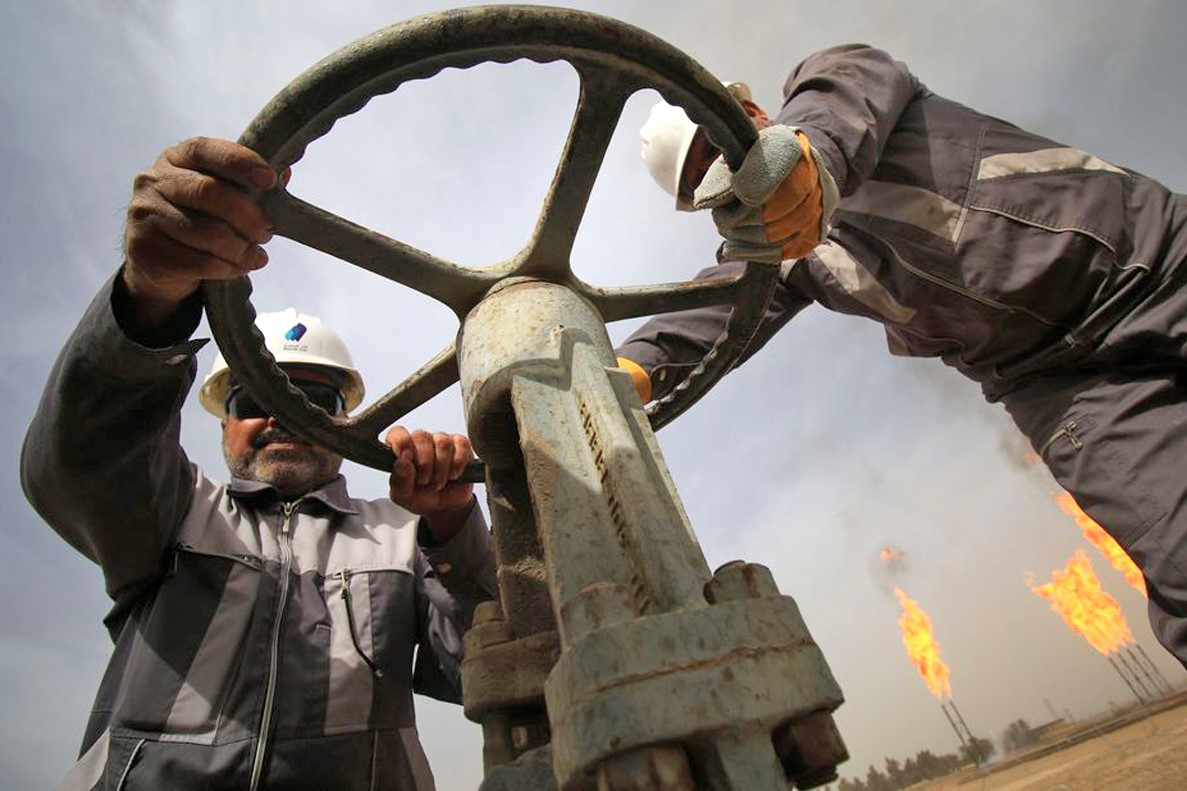
Educating the public about the possibility of temporary constraints is far better than allowing a sudden shortage to breed confusion and resentment.
Malaysia has weathered external shocks before, but the combination of heavy subsidy dependence, finite physical stocks, and a genuine risk of further Gulf disruption creates a specific vulnerability.
The current price environment already signals stress even if headlines remain muted.
A true black swan would not be the existence of regional conflict; rather, it would be the moment when the subsidy shield can no longer fully absorb the consequences and the public experiences the shortage as an unexpected jolt.
Policy realism is overdue. The government should treat the risk of tighter fuel availability as a live contingency rather than a remote possibility.
Preparing the rakyat with clear information and practical measures would reduce the severity of any eventual impact.
In a region where energy security has repeatedly proven fragile, continuing to rely solely on fiscal buffers without visible preparedness is a choice that could prove costly.
The time to plan is while the pumps still flow freely. – October 19, 2026