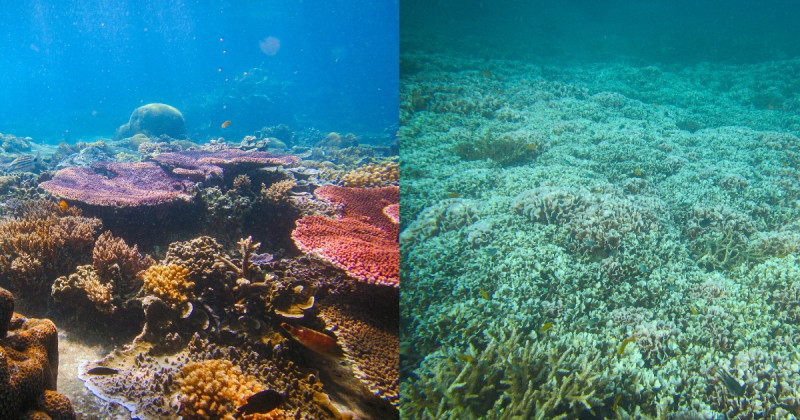
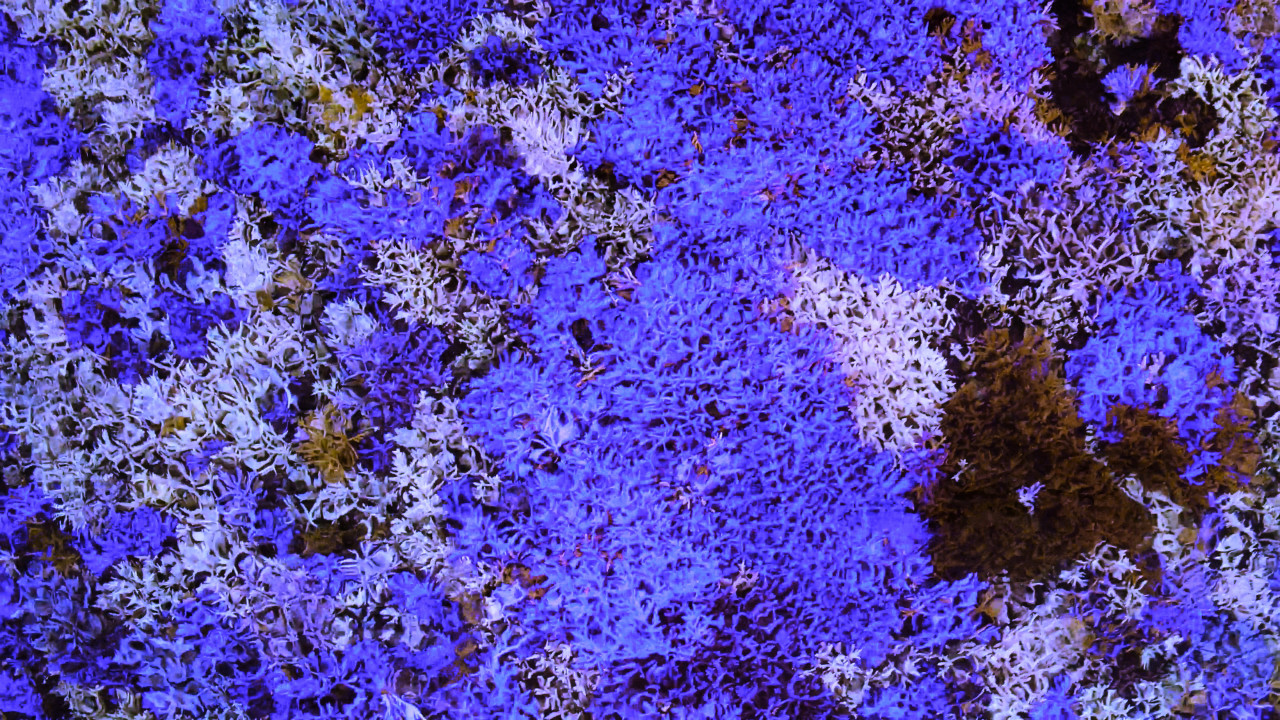
CORALS are animals that look like rocks. They are highly sensitive to changes in water temperature. As the water temperature rises, corals begin to turn white, leaving a field of coral rubble. The process is also known as coral bleaching. Some of us might have seen these beautiful white corals without knowing that they are bleached corals.
Coral bleaching – what is it and why should you care?
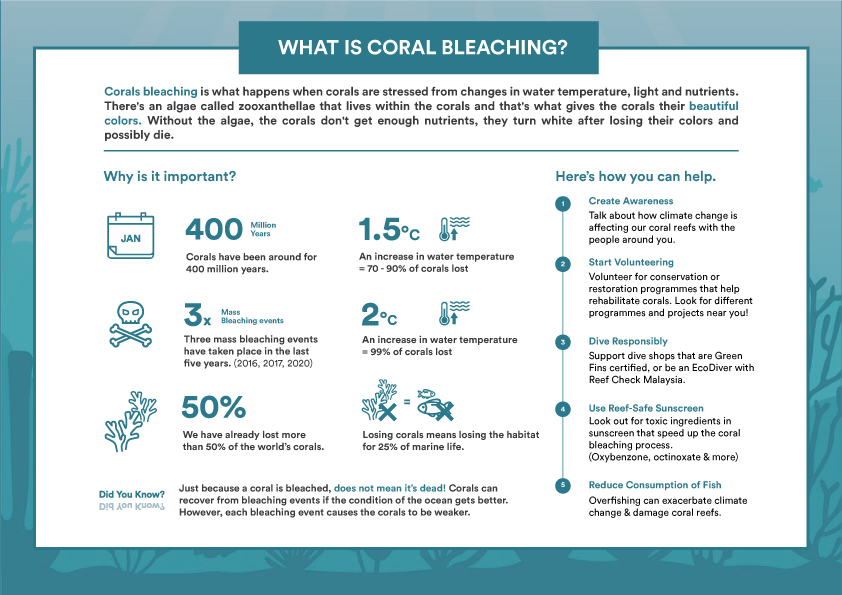
The vibrant colours in healthy corals come from a type of algae called zooxanthellae. They live in the skeletons of corals and provide them with nutrients. When corals go through shock from water temperature changes, they react by expelling the algae. Over time, the coral goes through bleaching because it doesn't have the nutrients to survive.
Coral expert and researcher Terry Hughes reported that in the last five years alone, we have seen three mass bleaching events (2016, 2017, and 2020) in Australia’s Great Barrier Reef. We have already lost more than 50% of the world's corals. This is alarming, given that corals existed over 400 million years ago.
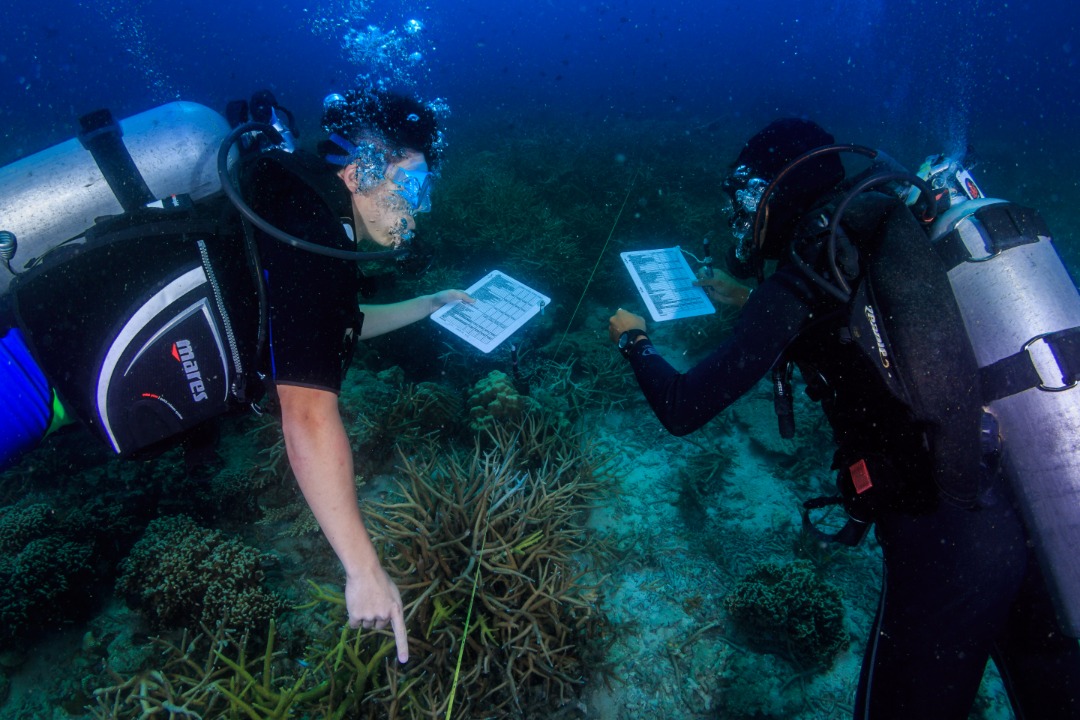
Luckily for Malaysia, we are home to the last few healthy coral reefs left in the world. However, Reef Check Malaysia (RCM), an organisation committed to protect and conserve the coral reefs of Malaysia, reported that Malaysia will surely go through a decline if we do not take action.
We have already begun to see the effects of climate change on our coral reefs. Aside from coral bleaching, other impacts include:
- Ocean acidification.
- Rising sea levels.
- Heavier rainfall during the monsoon.
- An increase in tropical cyclones.
Tropical cyclones are these violent storms that can be destructive to coral reefs. "They're not common in our waters, but with the changing climate, we're expecting them more frequently with more intensity," said Alvin Chelliah from RCM. This affects many coastal communities dependent on rich marine life, such as the tourism and fishing industry.
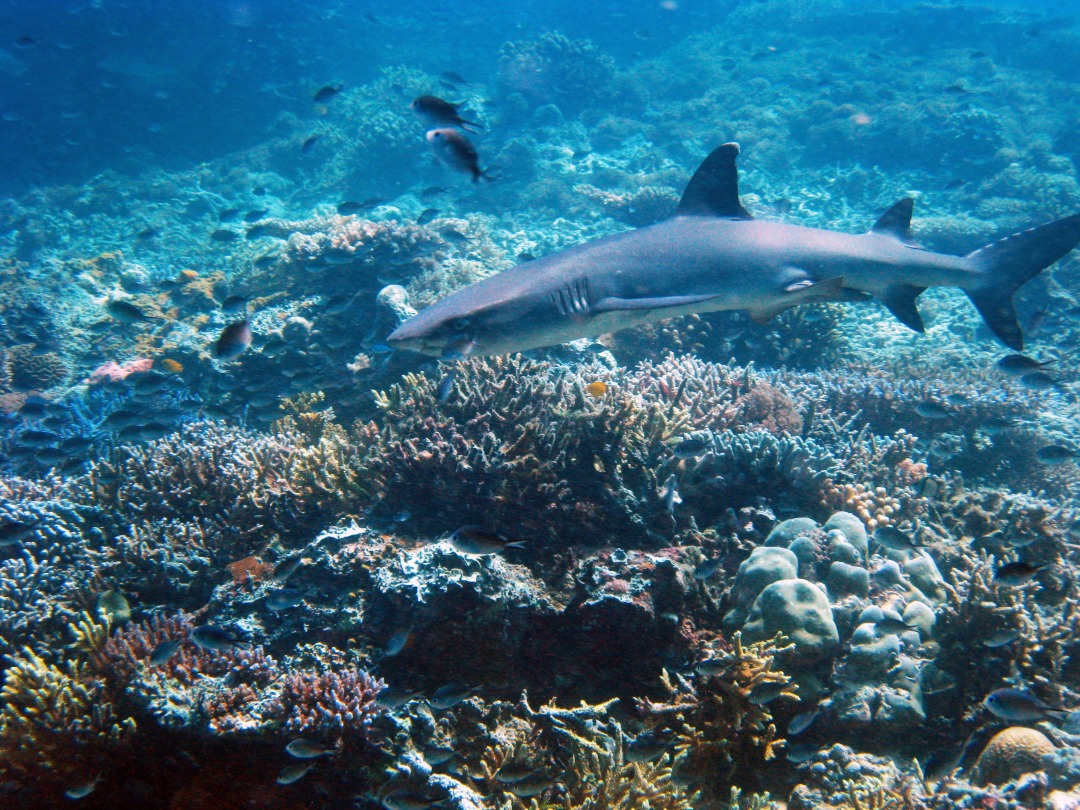
Corals take up less than 1% of all ocean area, yet they are home to more than 25% of all marine life. As one of the most important ecosystems on Earth, coral reefs are the food source for marine life. Weak coral reef ecosystems can threaten the whole foundation of the ocean food chain. Without them, a quarter of marine life will lose their habitat. The ocean ecosystem will collapse if we’re not careful.
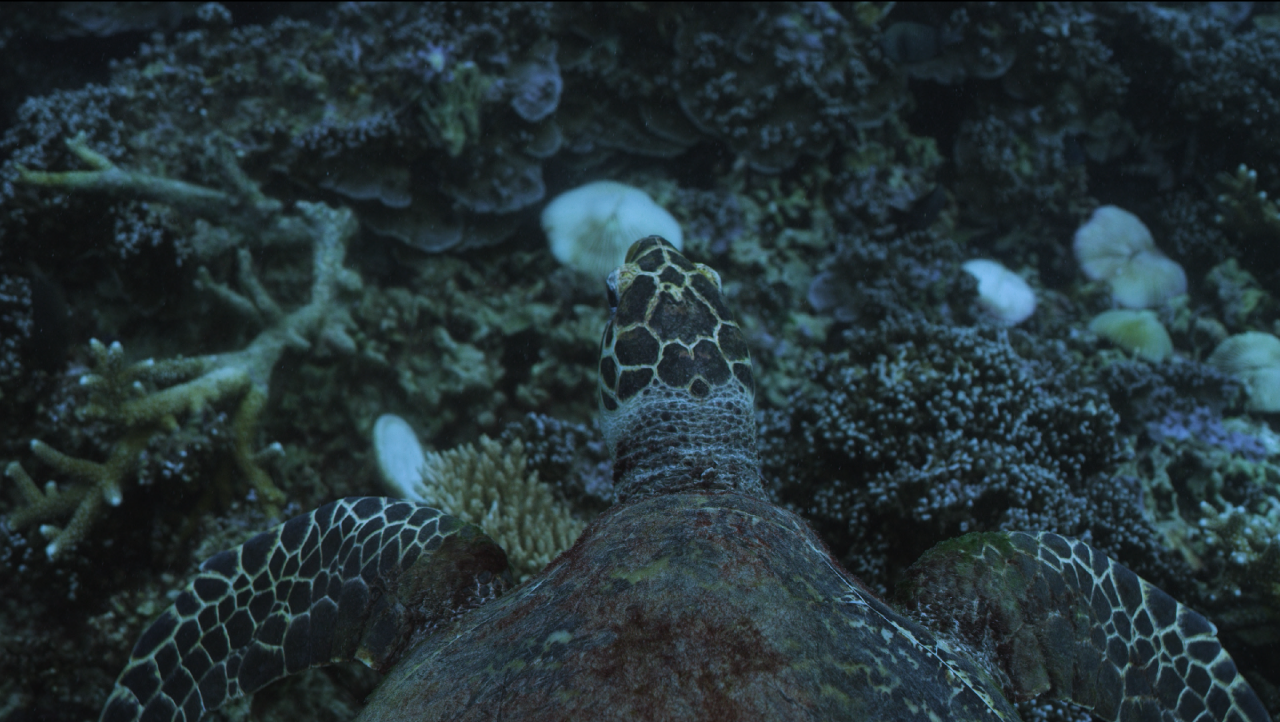
Jason Gan, the site manager of Lang Tengah Turtle Watch, a sea turtle conservation organisation in Kuala Terengganu, explained how marine life will be impacted. The critically endangered Hawksbill sea turtle predominantly feeds on sea sponges. These sea sponges are a part of coral reef ecosystems and together, they have a huge role in "promoting the diversity" of corals.
Lungs of the Earth
Since we started burning fossil fuels for our daily necessities, the sea has absorbed more than 50% of our carbon dioxide (CO2). This is also why the ocean is called the Earth's biggest carbon sink or, the Earth's lungs.
Over time, as the ocean's temperature rises, its ability to absorb CO2 decreases, leaving more CO2 trapped in our atmosphere. That explains why every year there are reports stating that it is the hottest year ever recorded.
Earth's temperature has been slowly increasing for the past two decades. While an increase of 1.5°C might not sound like a huge difference, it is.
According to the Intergovernmental Panel on Climate Change (IPCC), an increase of 1.5°C means that we lose 70-90% of the world's coral reefs. At 2°C, we lose 99% of them.
What happens next?
Fortunately, it's not all doom and gloom as conservationists remain optimistic for the future of Malaysian coral reefs. Chelliah said that "there's a long way to go, but it's a good start," after witnessing several conservation projects.
Similarly, others are coming up with creative solutions. Yayasan Coral Malaysia’s (YCM) coral curator, Hafiy Mahadzir, uses coral propagation as a tool to "rehabilitate coral reefs while simultaneously creating work opportunities for the locals."
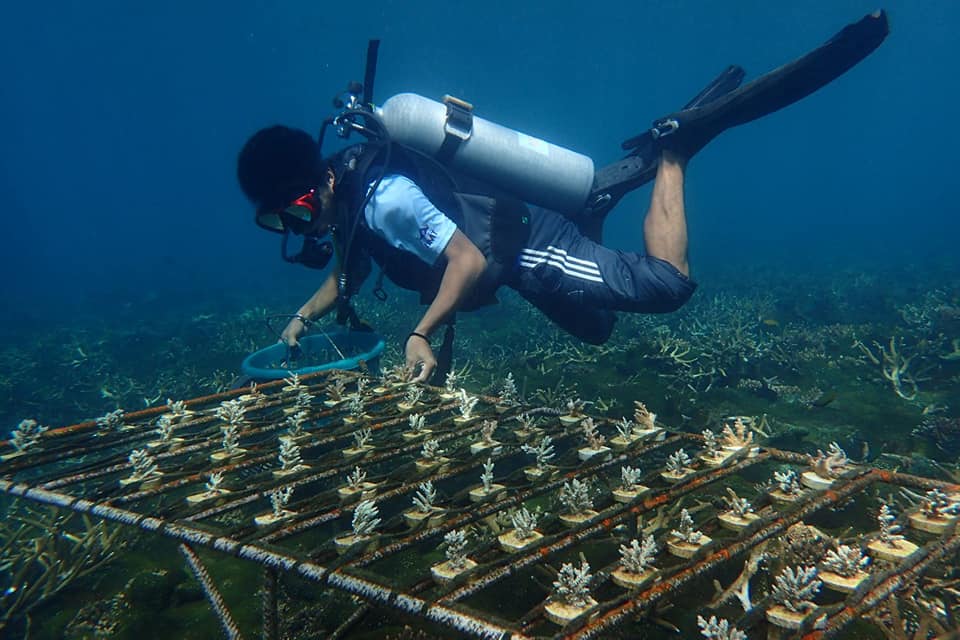
Climate change is not new. Coral reef ecosystems do not have to die on our watch. We can avoid further damage if we act now.
As individuals, there are ways we can help reduce the impacts of climate change and coral reef loss. Look up programmes you can volunteer for, educate yourself about the issue, use reef-safe sunscreen, contact your government and more. The most important part is to talk about it and create awareness. – The Vibes, May 19, 2021
*This story has been originally produced as part of the ‘PANAS! Climate Change Stories in Malaysia’ project organised by Science Media Centre (SMC) Malaysia, in collaboration with British High Commission Kuala Lumpur and EcoKnights.
***
Ashley Yeong is a final Degree year Global Studies and Journalism student at Monash University, Kuala Lumpur. With a passion for writing and telling stories, Ashley aspires to become a journalist tackling sustainability and climate change topics.