


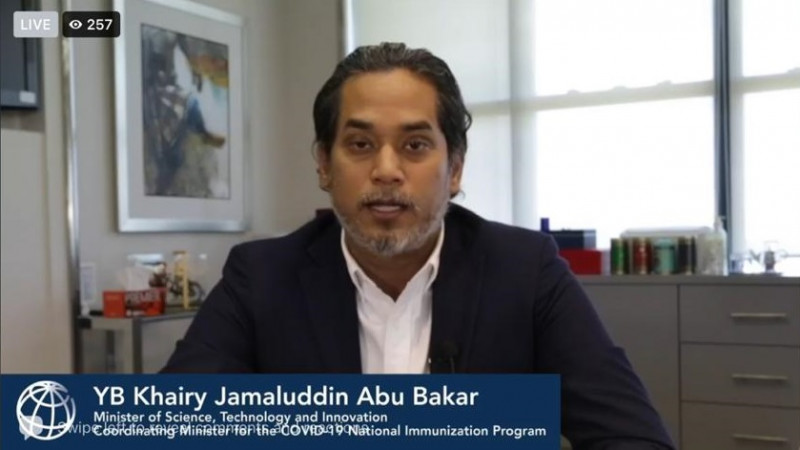

KUALA LUMPUR – What better way to raise the government’s dissatisfaction over the global hoarding of Covid-19 vaccinations by advanced nations than at a World Bank programme?
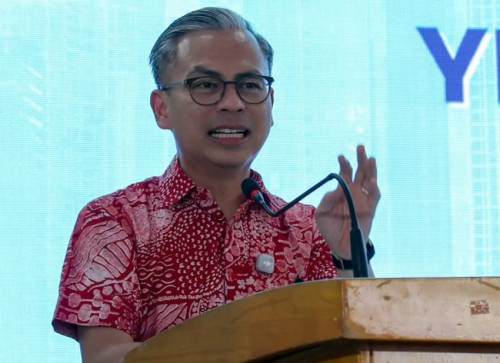
In delivering his special address at the launch of the World Bank’s “Malaysia Economic Monitor: Weathering the Surge” report, Khairy Jamaluddin strayed slightly off script to comment on what he described as an extremely immoral practice.
“I think it would be incomplete not to raise this point, that is, global vaccine inequity,” he said in a scathing criticism against more developed countries supposedly hoarding vaccine supplies.
Khairy, who is coordinating minister of the National Covid-19 Immunisation Programme, said while Malaysia appreciates the vaccine donations that are expected to arrive in the coming weeks, this does not address the problem of the market being cornered over the past few months.
“We set up the Covid-19 Vaccines Global Access (Covax, under the World Health Organisation) in global solidarity as a mechanism to ensure vaccine equity. That has been an abysmal failure,” said Khairy, who is also science, technology and innovation minister.
“I think the World Bank owes it to developing countries to be the strong voice for vaccine equity on the global stage.
“This is to remind the rich, advanced countries that what has taken place the past months has fallen short of respectable and responsible global leadership,” he said today.
Khairy said this vaccine equity is the only way nations globally are going to emerge from the current and future pandemics together in solidarity.
This is not the first time Khairy has made such comments on vaccine hoarding.
In April, he had lambasted the act as “cruel and unjust”, calling it one of the main reasons for low supply to Malaysia.
He again raised this point at a press conference yesterday, although his statements have always been made locally. His remarks at today’s World Bank event represents Malaysia’s strongest protest to date on the global stage concerning the issue.
Picture in M’sia may look bleak, but challenge can be overcome
Earlier in his speech, Khairy acknowledged that the movement restrictions imposed in the various lockdowns since the Covid-19 pandemic started last year have dampened economic activities and increased uncertainty on growth and recovery.
While the picture looks a bit bleak at the moment, Khairy stressed that the challenge is not insurmountable.
To achieve success, he identified three key measures, namely the immunisation programme, roll-out of more relief packages and policy tools to build private sector resilience, and introduction of medium- to long-term measures to prepare for the post-pandemic future.
On vaccines, Khairy described them as the panacea to break the current painful trade-off between lives and livelihood, and said that the inoculations have to be done as fast and efficiently as possible.
“Our way out of this crisis depends on our collective strength as a society to roll out a rapid immunisation plan while managing daily new cases and surge in terms of hospital capacity,” he said.
At the present rate, the Malaysian government is confident of a full opening of the economy – as per the four-phase National Recovery Plan – by September, which requires 60% of the population to be vaccinated, daily cases to dip below 500, and ICU utilisation to be at a satisfactory level.
“As of June 19, 4.08 million individuals covering 12.5% of the people (in Malaysia) have received at least one dose of the vaccine, with 1.58 million receiving the full two doses,” he said.
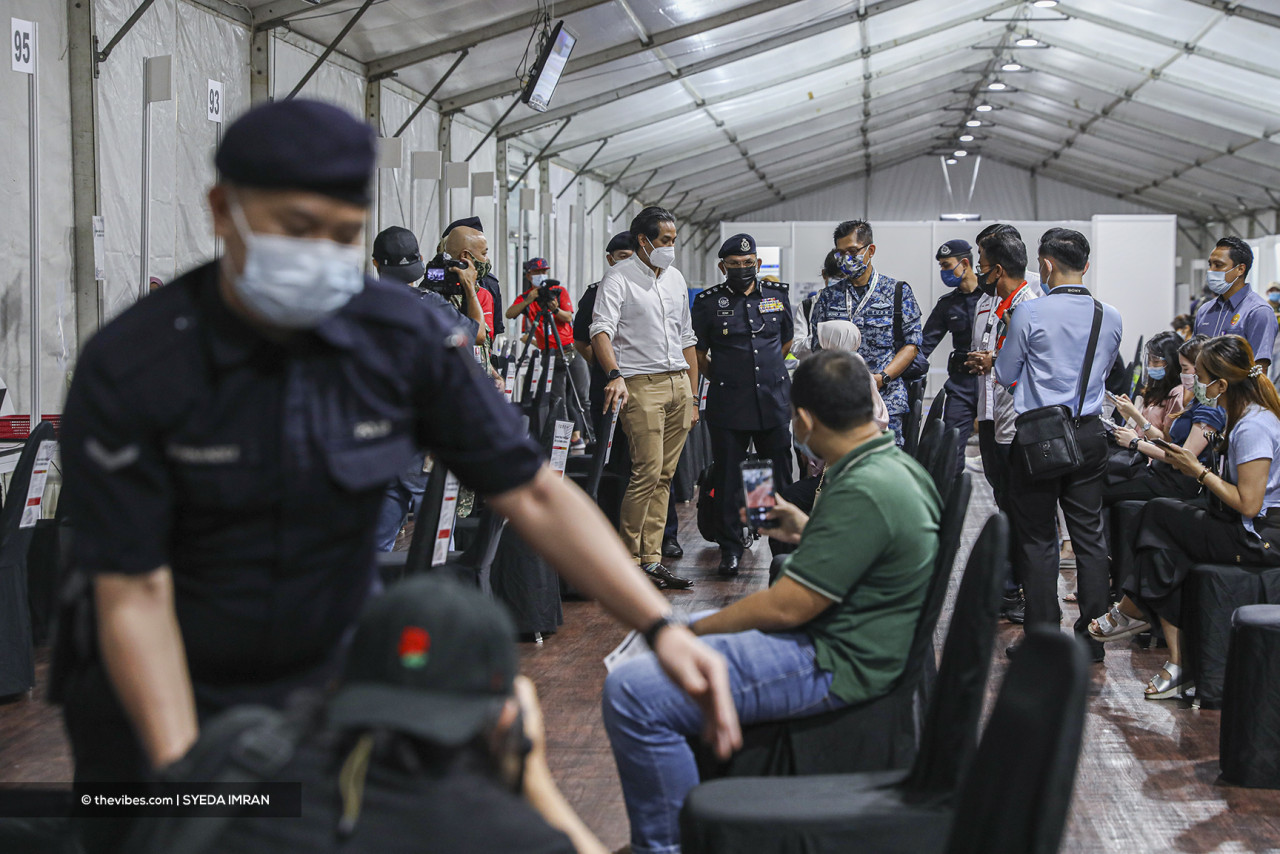
“We are confident of administering (vaccines on) 11 million people in July, 13 million in August and a further eight million by September. With this, the government aims for 60% to be vaccinated by then,” he said, adding that efforts to set up vaccination centres are also being ramped up.
While the country awaits the vaccination drive to be completed, Khairy said that the government will continue to support and preserve jobs through various relief packages.
He said this is aimed at supporting the private sector in remaining resilient in the immediate term.
In the long term, for Malaysia to achieve high-income status, the minister said there is a need to accelerate the adoption of advanced technology and digitalisation, encourage quality investment, and develop deeper linkages between public research institutions and industries.
“While being cautiously optimistic, we will look back at these trying months as the impetus for the government and all of Malaysia to mobilise, to increase immunisation among the population.
“Rapid immunisation will allow the economy to gradually reopen safely and put Malaysia back on the long-term path on economic growth.” – The Vibes, June 23, 2021











.jpeg)
