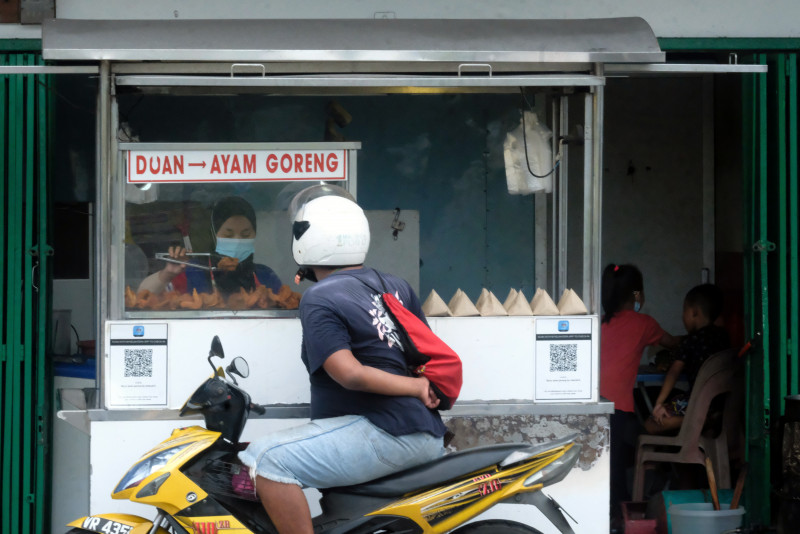

KUALA LUMPUR – Perlis, the proud bearer of the appellation “Malaysia’s smallest state”, also boasts the nation’s lowest Covid-19 caseload in terms of both the daily and cumulative counts.
The country’s northernmost state accounts for a mere 0.078% of the 758,967 infections recorded nationwide since the pandemic began in early 2020.
With its daily cases consistently in the single digits – or on some days, none at all – Perlis has seen only 595 infections in total.
A number of residents interviewed by The Vibes are livid that they are still refused economic freedoms despite the low figure, and plead for Putrajaya to relax restrictions.
Restaurant operator Azali Salleh said it is illogical for the government to impose uniform standard operating procedures nationwide given the uneven distribution of coronavirus cases.
He said this is especially unfair to people who have closely heeded the rules, including largely staying home, to prevent the disease’s spread.
“It makes little sense that we are forced into this lockdown when the majority of cases are in the Klang Valley. In fact, on some days, there are no cases here.
“We in Perlis are trying our best to follow the SOPs. I really hope the government will consider opening the economy here.”

Azali, who runs the popular Anjung Keli Restaurant in Kangar, urged for dine-in to be allowed with strict SOPs in place.
“I think the federal government should listen to the proposals and feedback from the respective states before making any decision.”
Let businesses open at limited capacity, with shorter hours
Bandit Barbershop owner Zulfal Abu Ehsan said it is perplexing that tough measures continue to be enforced in the state.
He said he understands the government’s reservations about fully reopening the economy, but proposes that businesses in Perlis be allowed to operate at limited capacity and with shorter hours.
“At least allow us to open for six or eight hours a day. We (barbers) have been complying with all the SOPs, including wearing masks, face shields and aprons, and scanning temperatures. I don’t see why we can’t operate.”
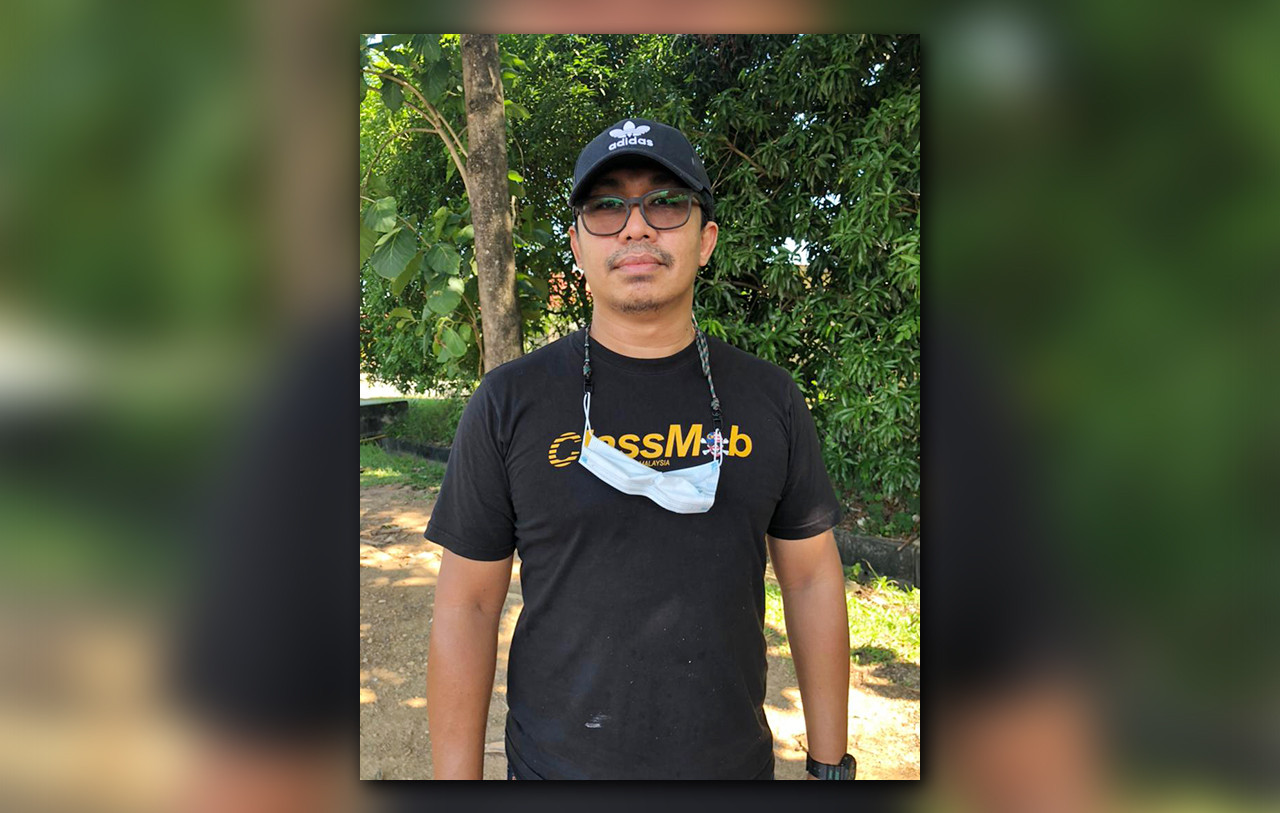
He said it is hard for small and medium enterprises like his to survive when lockdowns are periodically implemented, leaving them with no “breathing space” to recover their losses.
Like many of those affected, Zulfal has been forced to look for other sources of income, and is now selling “takoyaki”, a Japanese street food, by the roadside.
Najwa Azhar, a manager at Mama Nory Bakery, said the restrictions imposed should be based on each state’s caseload and infectivity rate.
Calling the blanket lockdown unfair, she said her store has no choice but to go online to promote its products.
“I understand the concern that reopening the economy here could lead to cases increasing, especially due to interstate travel.
“Perhaps, the government should further tighten border controls, allowing only true emergency cases through. I think that way should be fine.”
Several quarters have urged Putrajaya to consider allowing districts and states with low infection numbers to reopen their economy, with the Malaysian Employers’ Federation calling for targeted lockdowns only in virus red zones. – The Vibes, July 2, 2021









.jpeg)