
BUTTERWORTH – While Malaysians can, without fear, raise the white flag as a last resort to get assistance, the same cannot be said for non-citizens.
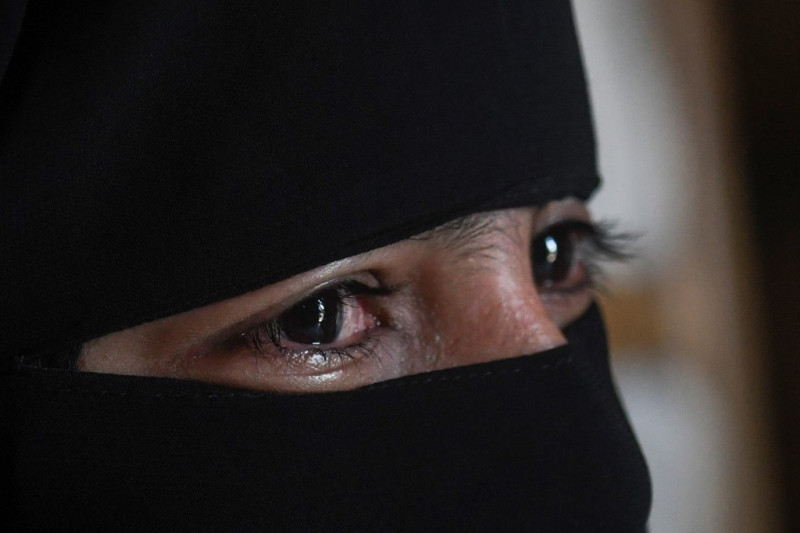
These include the Rohingya, who, despite being on the verge of starvation, are afraid to fly the flag as they do not want to attract authorities’ attention.
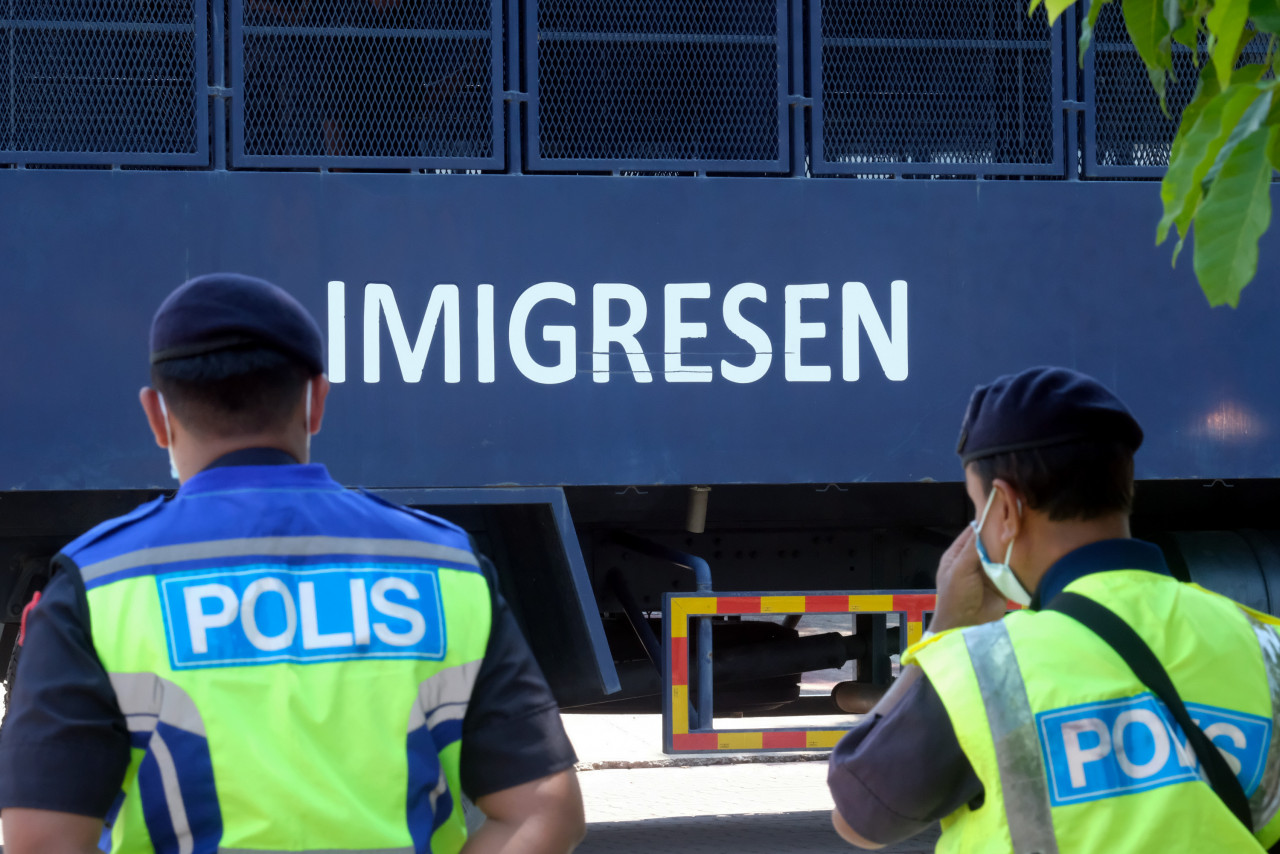
The community includes asylum seekers and refugees who have experience being detained at depots for not being in possession of “proper” documents, among them United Nations High Commissioner for Refugees (UNHCR) cardholders separated from their families.
Many are in dire need of aid, including food, but most non-governmental organisations are focused on helping vulnerable Malaysians.
Another pressing need amid the Covid-19 pandemic is to vaccinate the Rohingya. However, the government has yet to announce a concrete plan on immunising undocumented migrants.
Alam from Prai Jaya said there are days when his family have only two meals, as he has been jobless for four months.
Married and with two children, aged 20 and 4, he has been in Malaysia for 30 years.
“I do house repairs. I have not been called for any job in the last four months as people view migrants as ‘unsafe’ and ‘virus carriers’.
No income, no money to buy food, and my family are forced to go hungry. Some days, we take only coffee and biscuits. Most days, members of our community share their food, with some who are still making an income preparing meals for needy families.”
Alam said he used to earn between RM1,000 and RM1,500 a month, of which RM500 would go to rent and utilities.
Salim, a 28-year-old from Seberang Jaya who has been in the country since 2006, said he has been unemployed for half a year, and as the head of the family, worries about not having food on the table.
He and his wife, 22, and their sons, one aged 7 years and the other 5 months, have been asked by the landlord to leave due to five months’ unpaid rent totalling RM1,600.
I am scared to step out of the house as it is unsafe for me and my family. They will be stranded without any help if I am taken away by the authorities.
“Our community is helpless as there is no guarantee that we will see our families again if we leave the house.”
No money, basic needs unmet
Abdol Raheem, 52, a shop assistant from Alor Star who has been in Malaysia since 1985, said he used to earn RM900 a month until he lost his job in January.
He lives in a house rented for RM300 per month with his 31-year-old wife and their three children, aged 28, 26 and 21.
There are Rohingya families in the Kedah capital and Perlis, he said, and they are not aided by civil groups and UNHCR, unlike those in the Klang Valley.
“We reach out to one another for help putting food on the table.
“Our greatest concern is, when will the Rohingya community be vaccinated?”
Penang Stop Human Trafficking Campaign representative Angeline Loh said migrants desperately need food.
“They are in a pitiful state. Life is hard without money to meet their basic needs.
“We provide RM100 to more than 200 families in Penang every month as we do not have the logistics to send them meals and other items during the MCO (movement control order).
“The migrants who are undocumented normally support themselves, but the MCO has prevented them from doing this.”
She concurred with Raheem’s view that unlike in the Klang Valley, migrants in Penang, Kedah and Perlis do not get aid from NGOs.
The government should make known its plan to vaccinate migrants, she said, as the country will attain herd immunity only when the immunisation drive includes this group. – The Vibes, July 21, 2021

.jpeg)