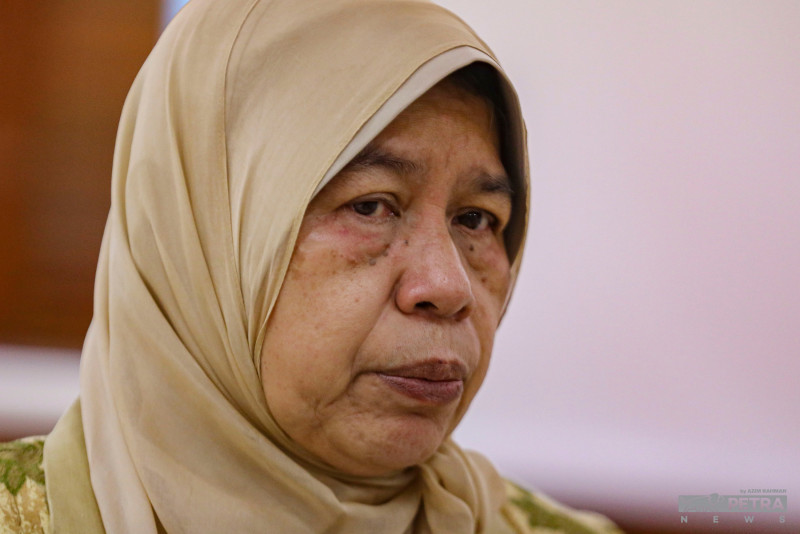
KUALA LUMPUR – Malaysia has been left with no choice but to retaliate against Western countries that are part of a palm oil smear campaign aimed at phasing out the commodity’s usage in the Western world, said Plantation Industries and Commodities Minister Datuk Zuraida Kamaruddin.
Labelling these nations as bullies in a strongly worded statement today, Zuraida bemoaned how these anti-palm oil campaigns, which have been ongoing for close to two decades, have inflicted medium- to long-term damage to the product’s image among European consumers.
“It is with this in mind that Malaysia initiated a dispute complaint against the European Union (EU) and two of its member states, France and Lithuania, on January 15, 2021 under the World Trade Organisation’s (WTO) Dispute Settlement Mechanism,” she said, after multiple attempts using the “soft consultancy” approach supposedly failed.
Malaysia is also acting as a third party in separate WTO dispute proceedings initiated by Indonesia in December 2019. The two countries are the world’s top palm oil producers.
“The ministry will continue to closely monitor any latest development from a legislation standpoint by the EU, which can potentially tarnish the reputation of palm oil, hence adversely affecting the viability of the palm oil and palm oil-related industry in Malaysia.
“I call upon all Malaysians to join (the ministry) and rise up to defend our palm oil in the eyes of the world,” she said.
Zuraida warned that the smear campaign, if not systematically and strategically put to rest, has the potential to affect the competitiveness of Malaysia’s palm oil exports.
According to her, the campaign against palm oil could be traced back to Europe as early as 2003, revolving around issues of sustainability and nutrition.
She then noted that countries like France and Belgium began introducing palm oil-free labelling on products sold on shelves beginning 2008.
This, Zuraida said, managed to convince consumers that “palm oil is terrible whether for nutritional or environmental reasons, or both”.
The minister went on to point out that the EU had, in 2019, classified palm oil as a crop with a high-risk rate towards indirect land-use change, deemed to have contributed to deforestation and loss of biodiversity.
“Member countries are currently adopting the EU Renewable Energy Directive II in their respective legislation, which will see palm oil usage gradually reduced beginning 2023 before being eliminated totally as an EU biofuel source by 2030.”
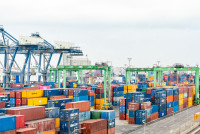
Seeing how palm oil and its related products have been a major revenue contributor to the Malaysian economy, provided numerous job opportunities and improved infrastructure, Zuraida said Malaysia was forced to counter these malicious claims.
Zuraida’s position as minister is still understood to be on the line after she quit Bersatu to join fledgling Parti Bangsa Malaysia last month.
Her former party has demanded that the cabinet portfolio be returned to it, while Prime Minister Datuk Seri Ismail Sabri Yaakob has yet to make a decision on the matter. – The Vibes, June 22, 2022