
KUALA LUMPUR – The Human Resources Development Fund (HRDF) spent nearly RM100 million in 2019 on training that provided certificates of little value.
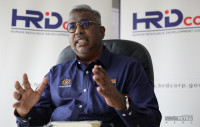
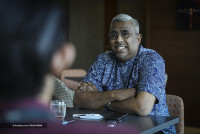
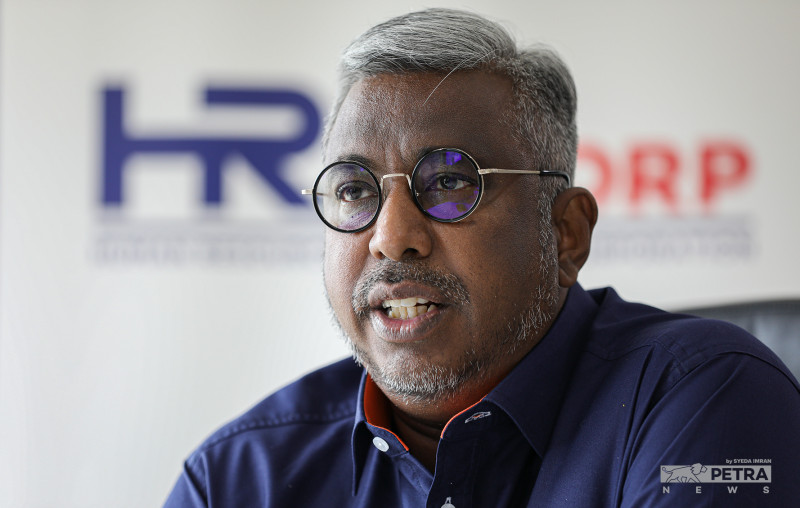
HRD Corp chief operating officer Datuk Ariff Farhan Doss told The Vibes that the certificates were “of little worth” as the awarding bodies lacked the standing to issue the documents.
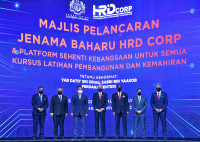
For the record, HRDF was rebranded as HRD Corp in early December 2021, in line with its expanded mandate to ensure all Malaysians are trained and employable.
With the rebranding, HRD Corp will not only collect levies for the purposes of upskilling and reskilling employees, but also function as a corporate body that ensures the national agenda for human capital development remains on track.
Ariff said HRD Corp is looking to improve the quality of certificates for training the nation’s workforce to ensure that they truly benefit from the courses that they attended.
He said HRD Corp is now looking to provide more scalable and cost-effective training after having spent a total of RM93 million on certificates of little value in 2019 while the organisation was known as HRDF.
Ariff said 2019 was a “flagship” year as HRDF had taken in the highest number of trainees in its history and offered one million placements.
He noted it was the “best year for HRD Corp in terms of training”.
However, he said the number of unique trainees stood at 500,000, as some participants may have taken part in two or more courses.
“During that period, there were certificates issued to trainees, which are considered of little value,” he said when contacted.
This is because the certificates are either certificates of attendance, or certificates of achievement, which do not signify that the individual has received knowledge or whether a transfer of skill has taken place from the trainer to the trainee.”
Ariff was asked to comment on his opinion piece regarding HRD Corp’s industrial skills micro-credential framework.
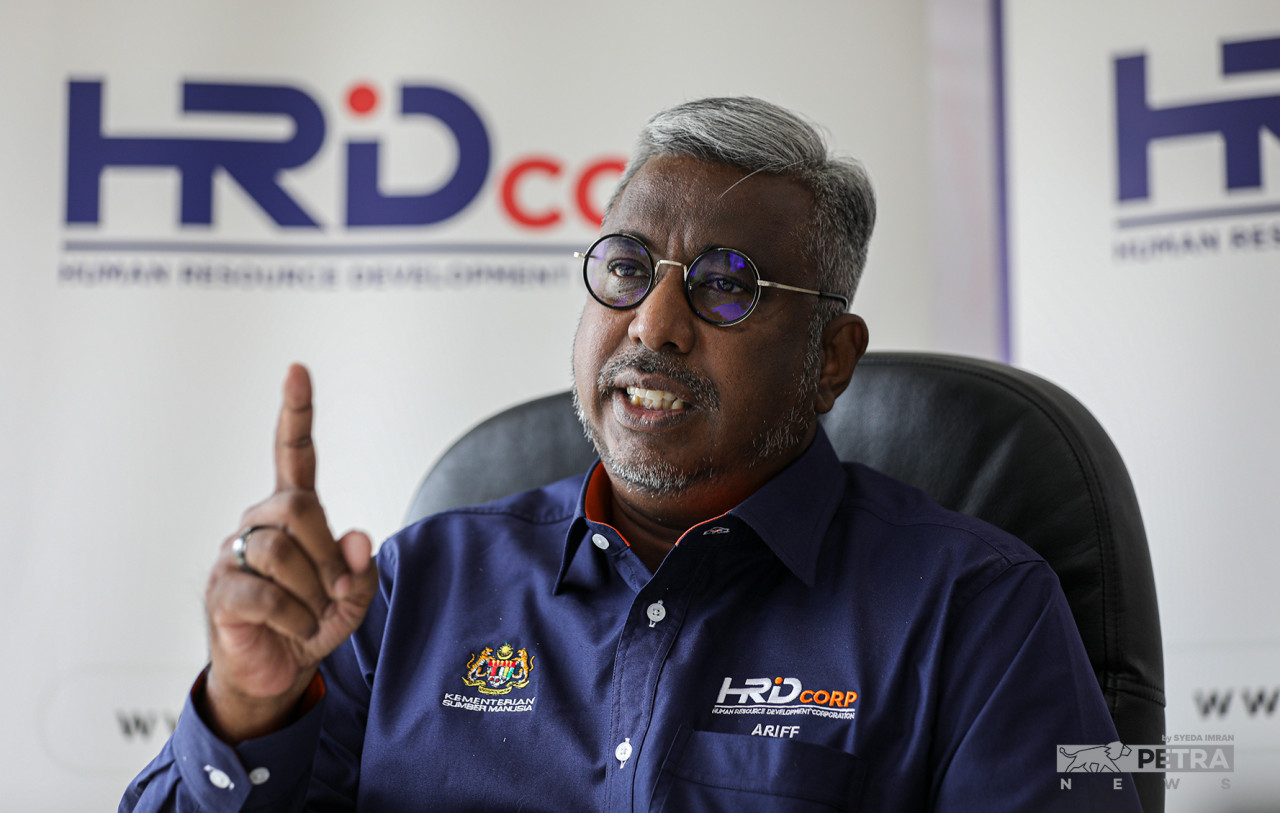
In the body of the opinion piece, Ariff said HRD Corp provided financial assistance via its levy fund to training providers amounting to RM93 million for certificates of “little value”.
“This is because the awarding bodies lacked the standing to issue those certificates, leading to very little value to add,” he said.
He added that the RM93 million amount was equivalent to an average of RM537 per certificate per person.
Ariff said this accounted for less than 5% of the courses offered by HRDF through training providers, of which 95% of the earlier figure did not even come with any form of certification.
To this end, and bearing the amount spent on low-value certificates, Ariff said that HRD Corp is looking to provide proper micro-credentials that came with accreditation from third parties that have credible standing.
A lot of these issuing bodies (of low-value certificates) are either training providers themselves or organisations which we cannot trace. They could be associations set up for the sole purpose of issuing certificates without having any standing,” he said.
“It is not that the certificates are considered illegal or unlawful, it is just that they do not carry as much value as we would like.”
He also said some of the examples of certificates with little value included those involving courses that taught “soft skills”, such as communications, or even team-building programmes, where the transfer of knowledge may not necessarily show tangible results.
“I want to improve the process and to ensure that certificates are issued because they have micro-credentials and are linked to recognisable and credible organisations, institutions, and awarding bodies.” – The Vibes, July 29, 2022