MALAYSIA’S economy expanded by 5.1% in 2024, surpassing expectations, as robust domestic demand and a recovery in the external sector played key roles in sustaining growth, Bank Muamalat Malaysia Bhd's Chief Economist, Dr. Mohd Afzanizam Abdul Rashid said.
"Last year, Malaysia's GDP growth reached 5.1%, up from 3.6% the previous year. The Malaysian economy showed strong growth, and this performance sets a solid foundation for the growth expected this year," Afzanizam said.
He credited Malaysia's economic resilience to expansionary fiscal policies, supportive monetary conditions, and Bank Negara Malaysia's (BNM) effective management of inflation. He also pointed out that the inflation rate had decreased from 3.3% in 2022 to 2.5% in 2023, and further slowed to 1.8% in 2024.
The country's inflation rate declined from 3.3% in 2022 to 2.5% in 2023, and further moderated to 1.8% in 2024.
Afzanizam also highlighted BNM's decision to raise the Overnight Policy Rate (OPR) from 1.75% to 3.00% between 2022 and 2023, which was instrumental in steering inflation to more sustainable levels.
Quarterly Performance and Economic Drivers
The Malaysian economy performed above expectations in the fourth quarter of 2024, better than the anticipated 4.8%. The Finance Ministry cited on Friday that growth was underpinned by strong domestic demand and a recovery in exports, as well as a rebound in household spending, supported by favorable labor market conditions and policy measures.
Meanwhile, UOB Kay Hian Wealth Advisors Sdn Bhd’s Head of Investment Research, Mohd Sedek Jantan, suggested that domestic consumption is expected to continue growing, bolstered by a healthy labor market.
“The government's stimulus measures, such as cash assistance, subsidies, and greater access to retirement funds, will further stimulate consumption. Additionally, pay hikes for civil servants in late 2024 and early 2025 are expected to boost household spending,” he said.
Investment and Export Growth
Malaysia also saw strong investment performance, driven by ongoing public and private sector projects, including key initiatives under national development plans such as the New Industrial Master Plan, National Energy Transition Roadmap, and National Semiconductor Strategy.
These efforts contributed to a steady rise in investment activity, Sedek said.
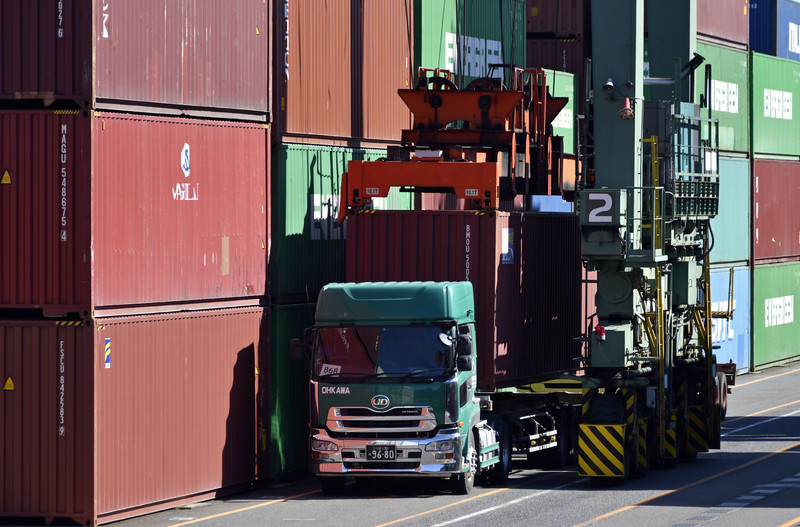
On the external front, Malaysia benefited from a recovery in exports, driven by the continued upcycle in technology and increased demand for goods and services.
Additionally, tourism showed signs of a positive recovery, with higher tourist arrivals and increased spending. This helped maintain a current account surplus of 1.7% of GDP in 2024, an improvement from 1.5% in 2023, he added.
Inflation and Monetary Policy
Headline inflation moderated to 1.8% in 2024, down from 2.5% in 2023, with core inflation also decreasing to 1.7%. The moderation in inflation was largely attributed to price reductions in mobile communication services, although some food items, such as fresh vegetables and seafood, saw price hikes.
BNM noted that the percentage of Consumer Price Index (CPI) items that saw monthly price increases remained below the long-term average, indicating controlled inflationary pressure.
As for the Malaysian ringgit, it appreciated by 2.7% against the US dollar in 2024, and also gained value against other major currencies, including the Singapore dollar, South Korean won, and Japanese yen.
Outlook for 2025
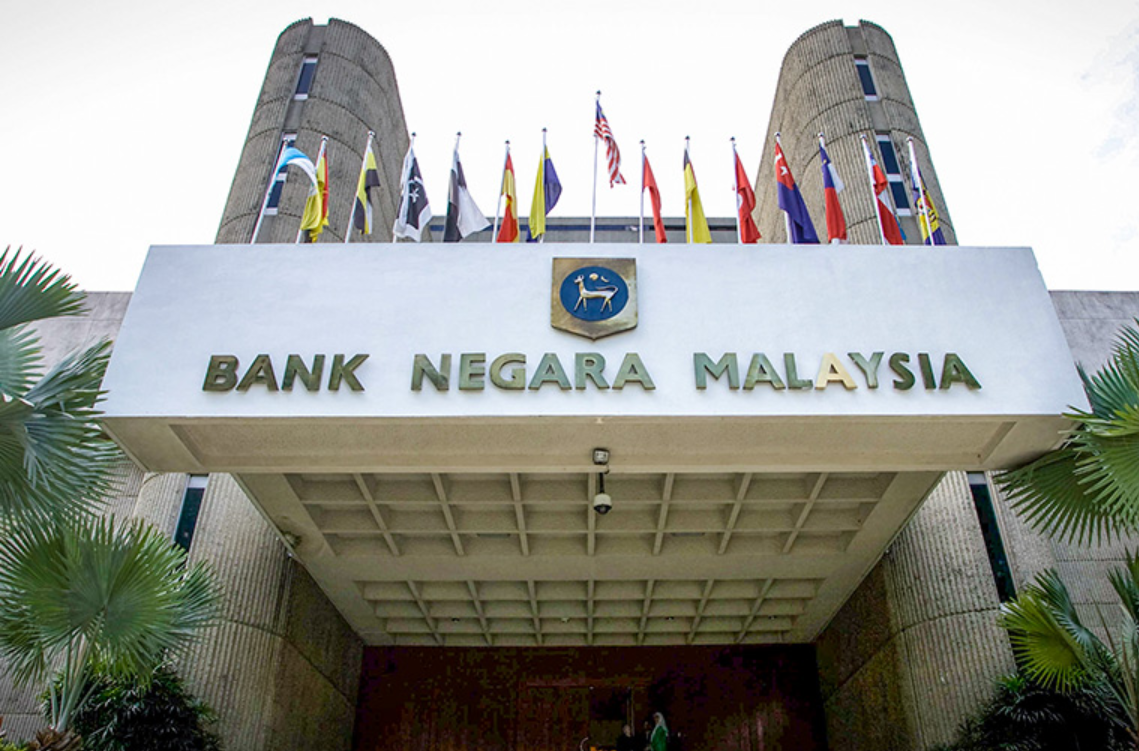
Looking ahead, BNM projected that Malaysia's economy will grow between 4.5% and 5.5% in 2025.
The government and BNM expect strong investment expansion, continued robust household spending, and sustained export growth to continue supporting economic momentum.
However, economists remain cautious about external risks, particularly geopolitical uncertainties and potential trade disruptions, which could pose challenges to the global economic environment.
Malaysia's economic performance in 2024 is a testament to its resilience, with growth driven by strategic domestic policies, strong investment activity, and a favorable external environment.
As the country heads into 2025, economic momentum remains positive, with a solid foundation for growth. – February 15, 2025