THE Fourth Industrial Revolution is upon us and artificial intelligence plays a major role in the way we life and work.
The market size in the Artificial Intelligence market is projected to reach US$1.06 billion in 2025 and many virtual assistants such as Alexa, Siri, and Cortana are already household names.
In Malaysia, under the steady guidance of the Digital Ministry, AI is already playing a significant role in numerous industries.
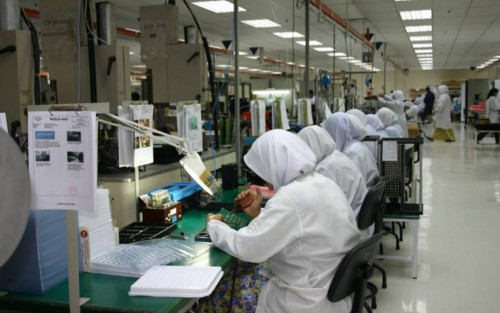
These include healthcare, education, the administration, manufacturing and automotive industries and even in the fashion industry.
Malaysia’s emergence as the next AI hub in the region is gaining significant momentum, driven by increasing interest from major global tech players.
Microsoft’s recent pledge to invest USD2.2 billion over the next four years to support Malaysia’s digital transformation marks the single largest investment in the country’s 32-year history.
Recent research revealed that AI has the potential to contribute almost USD1 trillion to Southeast Asia’s gross domestic product (GDP) by 2030, with Malaysia positioned to capture USD115 billion of this total.
Recognising the huge impact of AI globally and within the country, Malaysia launched the National Artificial Intelligence Office (NAIO) in December last year.
The NAIO is aimed at streamlining efforts in enhancing the country’s digital ecosystem to attract more high-value investments.
During the official launch, Digital Minister, Gobind Singh Deo said NAIO aims to enhance the country's AI capabilities by promoting innovation, enabling cross sector collaboration, and developing AI policies as well as drafting legislation to support its implementation.
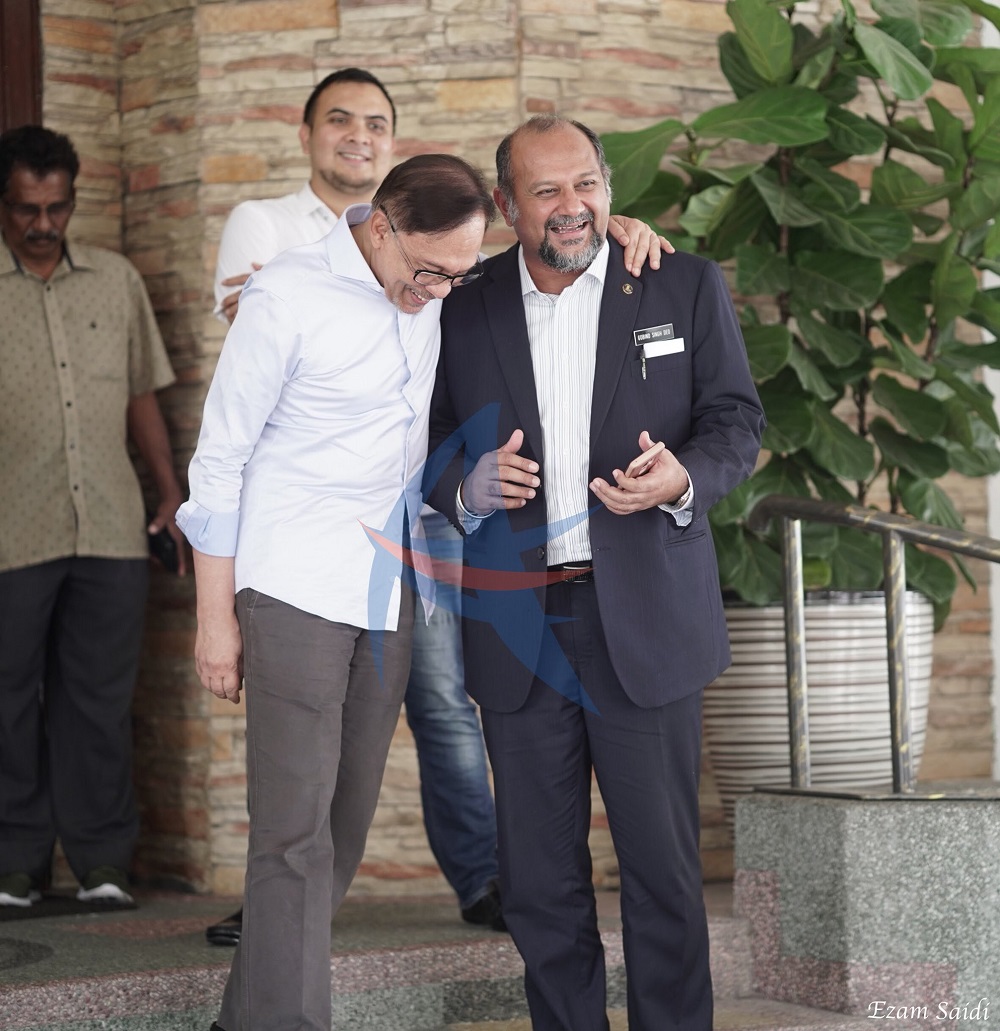
Gobind and Prime Minister Datuk Seri Anwar Ibrahim, in fact, began planning for the establishment of the agency over a year ago when the ministry was formed.
As part of Malaysia's Budget 2025, RM10 million has been allocated to NAIO to drive AI adoption in the country.
To further elevate Malaysia's attractiveness as a regional hub, Gobind noted that three Bills related to technology industry development which were tabled and debated, with two already enforced, were essential.
These regulations include the Cybersecurity Bill and amendments to the Personal Data Protection Act in July, along with the recently tabled Data Sharing Bill.
While AI is slowly but surely being incorporated into various industries worldwide, Malaysia has achieved significant milestones in the adoption of AI.
Catherine Thorbecke, a seasoned journalist on tech matters in Asia noted that Malaysia was already turning to AI to help with some of the more tedious parts of governing.
"There are still many examples of AI messing up or going rogue. But the reality is that AI is likely coming for swaths of repetitive office work, including within government. Malaysia is not alone in seeking ways to automate some of these tasks," she said.
Public sector adaptation
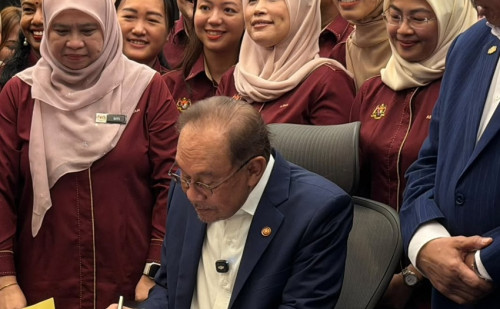
Apart from the NAIO, she pointed out that before bringing Google’s AI to 445,000 workers, Malaysia also launched a smaller test run and officials are working on public sector AI adaptation guidelines, expected to be released soon.
"The government said it hopes that workers will be able to use these advanced tools to help draft policy papers, analyse data, enhance public engagement and save time.
"It’s a far cry from what some prominent researchers are calling an “AI coup” happening in Washington under Elon Musk’s Department of Government Efficiency or DOGE," she said.
Despite sowing widespread chaos across the federal government under the banner of cutting waste, little is known about the people running DOGE who have been given this immense power to upend agencies.
The group has a website tallying supposed savings, but even this has faced criticism for errors and not offering nearly enough clarity about its processes.
"In Malaysia, we at least know that Google’s products are being used, and local media was invited to demonstrations about how they can be employed.
"The products and intentions of Musk’s overhaul, meanwhile, remain cloaked," said Thorbecke.
Ultimately, AI still isn’t up to the task of governing. Writing new policies, defending them to the public, and implementing them still takes an immense amount of critical human decision-making.
"It’s hard to imagine America’s founding fathers using a chatbot to write the Declaration of Independence or the Constitution.
"There are still ways that AI tools can be used to assist in the workplace and boost productivity. But right now much more attention will be placed on the emerging technology’s missteps – especially when it comes to government use," she said.
Any nation’s rollout across federal agencies will inevitably be closely scrutinised and could make or break the tech’s future progress even in areas where it could be beneficial.
"At least for now, Malaysia’s approach is aimed at providing civil servants with “gen AI assistants,” and not replacing the workers.
"The goal isn’t to remove the humans, but to free them up to focus on more complex tasks.
"This approach has a greater chance of success, though authorities must maintain transparency along the way," added the Bloomberg Opinion columnist. – February 22, 2025