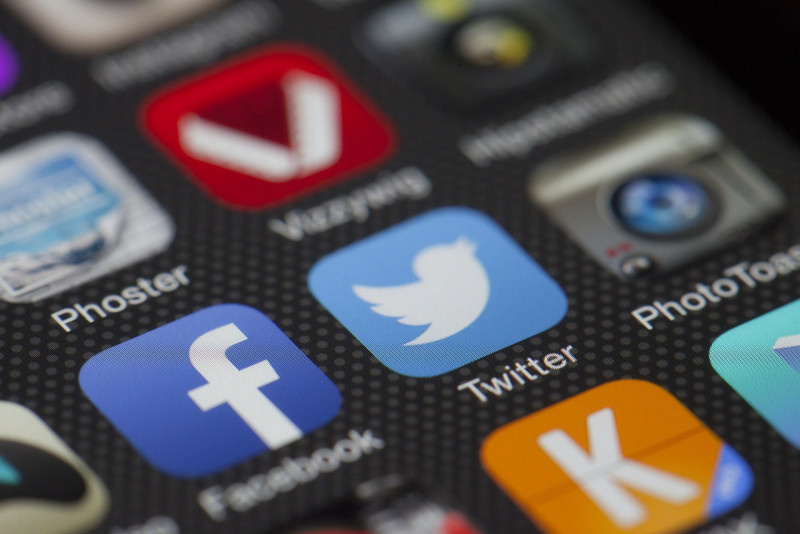
THE rise of social media platforms has led to a surge in speculative and provocative comments from users, making it increasingly difficult to regulate and control.
The ease of sharing opinions, often without verifying facts, has become a dangerous trend, one that can have severe legal and emotional consequences for both individuals and their families.
As the saying goes, “Words are like arrows - once spoken, they cannot be taken back.”
Reckless remarks, whether intentional or not, can cause lasting harm to the mental well-being and emotions of those targeted.
Many users fail to grasp the gravity of their online actions, as they quickly type and share thoughts without considering the potential fallout.
The consequences of such behaviour can be more serious than many realise.
Comments, especially those that incite slander, not only tarnish personal reputations but also open the door to legal action.
In a Bernama exclusive today, Lawyer Muhammad Akram Abdul Aziz explained that under Malaysian law, defamation can occur both verbally and in writing, with evidence being easily obtainable once a comment is posted online.
“When people comment without verified information about an issue, they risk making factually inaccurate statements that could tarnish the image and reputation of those involved,” he said.
“It worsens when the affected individual's family suffers due to baseless comments posted on social media. It’s no surprise if some netizens face legal action.”
Akram pointed out that in cases where defamatory comments are made about someone who has passed away, the deceased’s family could pursue legal action under different provisions.
“Such legal actions could involve provisions under the Penal Code or the Communications and Multimedia Act. These legal routes may be more appropriate than pursuing a traditional defamation claim,” he said.
Bernama cited another legal expert, Adi Zulkarnain Zulkafli, who underscored the need for greater sensitivity and empathy when engaging on social media.
“Many chase popularity and virality, even when the content they write or share is unverified,” he remarked.
“In today’s world, people crave attention, and aiming for ‘likes’ and online support often makes them more popular, especially when their posts go viral.”
Adi Zulkarnain also highlighted that while freedom of speech is protected under Article 10 of the Federal Constitution, this right is not without limitations.
“For instance, it is a criminal offence to incite issues related to royalty, race, and religion under the Sedition Act and the Communications and Multimedia Act 1998 (Act 588),” he explained.
Netizens should be aware that they could face legal action if they make defamatory comments.
“Individuals affected by social media comments can lodge police reports, and the commenters may be investigated under Section 233 of Act 588,” he said.
Defamation cases could lead to civil lawsuits or charges under Section 499 of the Penal Code, he added. “That is why we must be careful when expressing opinions or making comments.”
The emotional toll of reckless social media commentary is not limited to legal repercussions.
Assoc Prof Dr Shazli Ezzat Ghazali, a psychologist and senior lecturer at Universiti Kebangsaan Malaysia (UKM), warned that excessive and harmful online comments can have deep psychological and emotional effects, particularly on teenagers and children under the age of 17.
"Feelings of sorrow, sadness, worry, anxiety, and fear often linger in their minds, significantly affecting their emotions," he said. "When exposed to excessive negativity, it alters their perception of the real world."
Dr Shazli, who is also a council member of the Malaysian Psychological Association (PSIMA), noted that adolescents, who are in the process of discovering their identity, are particularly vulnerable to negative comments.
“This age group is highly influenced by their environment, and negative remarks can substantially impact their emotional, cognitive, and physical development,” he explained.
The most concerning aspect, Dr Shazli added, is when young people succumb to the negativity they encounter online.
"They may experience confusion and lose the empathy and sympathy instilled by their families and society.
If they internalise these comments, it can disrupt their thoughts, emotions, and behaviour, ultimately hindering their ability to engage positively in social interactions," he said.
The rapid spread of unverified and harmful commentary on social media has created an environment where the consequences of reckless words can be devastating—both legally and emotionally.
As users continue to share their views online, it is crucial to remember that words, once uttered, cannot be undone, and the impact of those words can linger long after the screen goes dark. – March 28, 2025