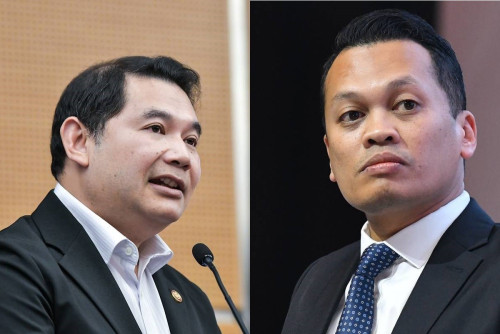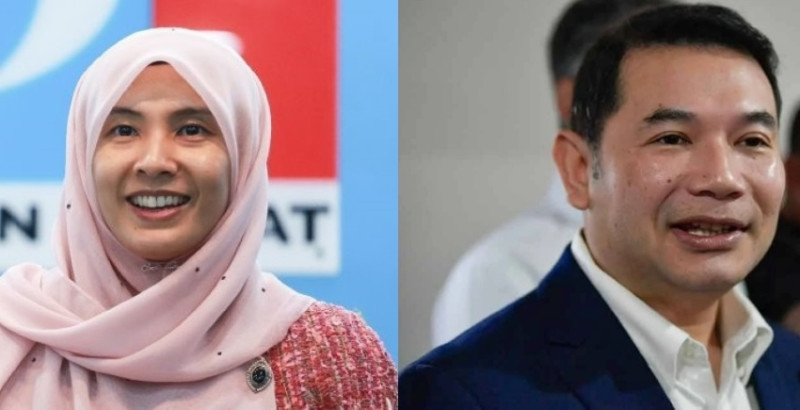

THE contest between Nurul Izzah Anwar and Datuk Seri Rafizi Ramli for the post of Deputy President of Parti Keadilan Rakyat (PKR) is heating up as the party prepares for internal elections in just two weeks' time.
While such rivalries are part of party politics, the stakes are especially high this time, with PKR now playing a central role in Malaysia’s Unity Government. Competition for leadership positions is fierce, far more so than in smaller political organisations, as candidates work to secure the support of grassroots members through various campaign methods.
Now in its 26th year, PKR is still considered relatively young—energetic, ambitious, and at times confrontational. The party’s journey toward proving itself as a capable ruling entity is still unfolding.
During the 14th General Election (GE14), PKR, as part of Pakatan Harapan (PH), succeeded in forming the federal government, only for that administration to collapse after two years.
However, following the 15th General Election (GE15), PH returned to power, this time through a coalition with Barisan Nasional under the Unity Government framework.
This second chance must not be squandered. The coalition should be allowed to serve its full term to enable the people to assess PKR and PH’s true capabilities in governing.
The current internal party election is critical to shaping the leadership team that will lead PKR into GE16, just two years away. If divisions arise from the contest, time remains for wounds to heal—or else the party risks internal instability.
For now, the public—whether party members or not—are observers to the political manoeuvring and strategy on display.
Once the dust settles, it is hoped that all contenders will reunite for the greater good, under the belief after conflict or quarrel, harmony is restored and to eventually reconcile.
Ultimately, what matters most is not the contest itself, but whether those elected can deliver on the promises made to the people. - May 12, 2025