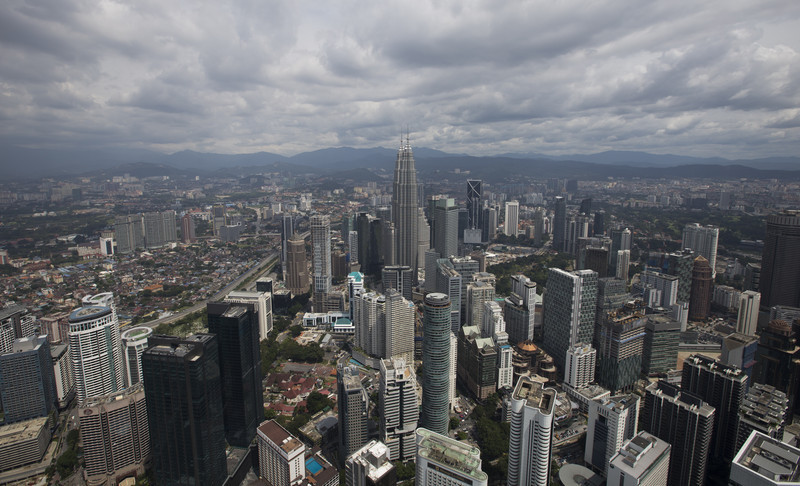
THE Urban Renewal Bill (PSB) 2025, which has been postponed to the next parliamentary sitting, is being hailed as a strategic national initiative crucial to the revitalisation of Malaysia’s neglected and dilapidated urban areas.
Associate Professor Dr Haryati Shafii, a senior lecturer in the Department of Construction Management and Principal Researcher at the Centre for Sustainable Infrastructure and Environmental Management (CSIEM), Faculty of Technology Management and Business, Universiti Tun Hussein Onn Malaysia (UTHM), said the initiative holds significant potential to breathe new life into long-unused urban zones while adding value to the country’s overall development landscape.
"Generally, the PSB involves the redevelopment of old residential areas, dilapidated buildings, and disused sites," Dr Haryati told Harian Metro.
"With a systematic and visionary approach, these areas can be revitalised through various forms of physical, social and economic development. If implemented effectively, the PSB could bring substantial benefits to local communities and improve the quality of urban environments."
Among the anticipated positive outcomes, Dr Haryati highlighted the conservation of heritage and identity in older city areas, improved living standards through enhanced amenities, new economic opportunities via investment and business activity, and the potential transformation of such areas into cultural and tourist attractions.
"Nevertheless, PSB implementation must be guided by sustainable development principles encompassing three key dimensions – environmental, economic and social. A balance among these components is critical to ensure the development is not temporary or detrimental to any party," she added.
She further stressed that the government must exercise caution in rehabilitating buildings or areas with aesthetic, historical or heritage value.
"The restoration of structures such as historical monuments and iconic buildings requires a meticulous conservation approach and substantial financial investment. Therefore, financial and technical planning must be given serious attention so this effort does not strain national resources," said Dr Haryati.
While she acknowledged PSB as a progressive step forward, Dr Haryati noted that the government must be prepared for long-term investment.
"The cost of renewing deteriorated and abandoned areas can be high, but the long-term benefits to society and the nation far outweigh the initial expenditure if carried out carefully and with integrity," she said.
The bill’s postponement follows concerns raised by Setiawangsa MP Nik Nazmi Nik Ahmad, who argued that PSB should not be tabled before the long-awaited Residential Tenancy Act is realised. He warned that PSB could have far-reaching consequences for the future of Malaysian cities and the nation at large.
The proposed PSB legislation has stirred debate across political parties, civil society and urban residents, particularly those living in metropolitan areas.
Yesterday, it was confirmed that the Urban Renewal Bill was not passed during the current Dewan Rakyat session and has been deferred to the next sitting. The Ministry of Housing and Local Government (KPKT) has announced plans to amend the bill, including reviewing the threshold value for agreement required to participate in urban renewal projects. - August 29, 2025