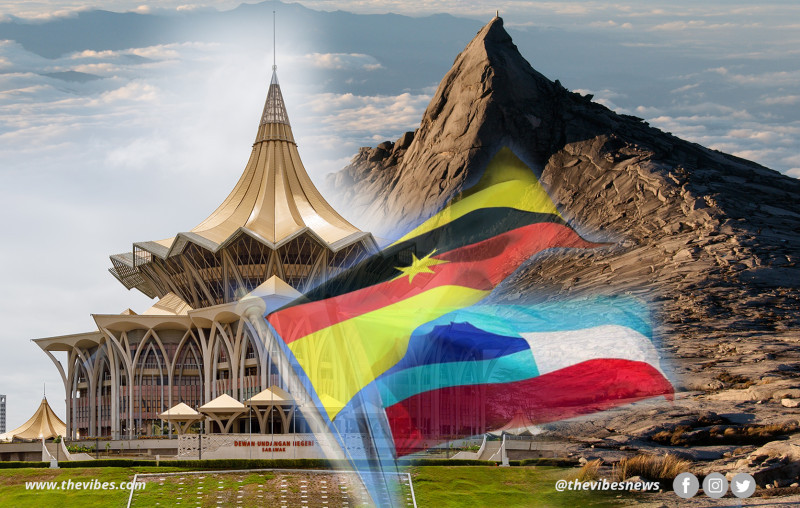
THE 17th Sabah General Election (PRN17) is emerging as more than a contest between parties; it is a litmus test of which political force truly understands the pulse of the people under the Borneo skies.
Amid campaigns focused on development and slogans of change, Sabah has become Malaysia’s most complex political battleground, where local and national narratives compete for public trust and influence.
Department of Community Communication (J-KOM) Deputy Director General (Community Communication) Suwadi Guliling opined on Monday that the incumbent Gabungan Rakyat Sabah (GRS) faces intense pressure from former ally Barisan Nasional (BN), which, under new leadership, has declared its intention to contest at least 32 seats.
“It is no longer a question of cooperation, but who will become the core power shaping Sabah’s direction,” he noted.
Since 2020, Sabah politics has shown how alliances formed on unity can fracture when interests clash, with BN asserting it has been marginalised in power-sharing while GRS positions itself as the new voice of Sabah.
Pakatan Harapan (PH) plays a key stabilising role. As the federal ruling coalition under Prime Minister Datuk Seri Anwar Ibrahim, PH supports GRS indirectly, helping translate Malaysia Madani policies into tangible benefits for Sabahans.
However, persistent issues around governance, integrity, and uneven development have created perceptions that progress has yet to reach rural communities.
“Roads are built, but water still follows the seasons,” citizens remark, highlighting the gap between policy and reality.
BN Sabah, meanwhile, presents a refreshed image with a disciplined development agenda, seeking to shed reliance on nostalgia while proving its relevance to younger voters.
Warisan champions the “Sabah for Sabah” ethos, emphasising autonomy and economic sovereignty, yet must overcome perceptions of past instability.
Smaller parties such as Parti Solidariti Tanah Airku (STAR), led by Datuk Seri Jeffrey Kitingan, remain kingmakers in rural constituencies, though younger voters increasingly judge parties by results rather than symbolism.
PRN17 is shaped by three critical factors: young and undecided voters, who make up 32 per cent of the electorate according to Vodus Research; development and cost-of-living issues, including water, roads, electricity, and employment; and the federal–state relationship, with GRS–PH highlighting strategic cooperation under Malaysia Madani while BN and Warisan compete on MA63 advocacy.
Sabah is entering a new political phase, where older faces remain prominent but younger voices grow louder.
Conversations in coffee shops and local markets focus on land, water, and the future of children. Voters are increasingly discerning, able to distinguish promises that yield results from slogans that do not.
PRN17 will serve as a referendum on political sincerity in Sabah, assessing whether GRS can retain power with PH support, whether BN can stage a resurgence, and whether Warisan–STAR can play decisive roles in the state’s evolving political landscape. - November 3, 2025