SABAH is poised for a political spectacle this Saturday as voters prepare to cast ballots in what is shaping up to be one of the state’s most competitive elections.
A total of 596 candidates, representing 24 political parties alongside 74 independents, are vying for 73 Dewan Undangan Negeri (DUN) seats, creating a highly fragmented electoral contest.
Warisan has fielded candidates in all 73 constituencies, leading the charge, followed closely by Parti Impian Sabah with 72, Gabungan Rakyat Sabah 55, STAR 46, Barisan Nasional 45, Perikatan Nasional 42, UPKO 25, and Pakatan Harapan 22. Six appointed seats will complete the assembly, amplifying the stakes for government stability.
The election features record multi-cornered races, with Tulid registering 14 candidates—the highest in the state’s history—while Bandau, Tamparuli, Inanam, and Kapayan each have 13 contenders.
Banggi and Moyog follow with 12-way contests, and even traditionally smaller constituencies such as Senallang and Merotai see four candidates competing.
Candidates span generations, from 24-year-old Mohd Syafiq Iqhmal Saharudin contesting DUN Silam, to 86-year-old Uling @ Thomas Anggan in DUN Bingkor.
Four Federal Deputy Ministers are also in the fray: Deputy Minister of Agriculture Datuk Arthur Joseph Kurup faces five opponents in DUN Sook; Deputy Minister of Plantation and Commodities Datuk Mohamad Alamin contends with eight rivals in DUN Bongawan; and Deputy Minister of Science, Technology, and Innovation Mohammad Yusof Apdal faces eight challengers in DUN Silam.
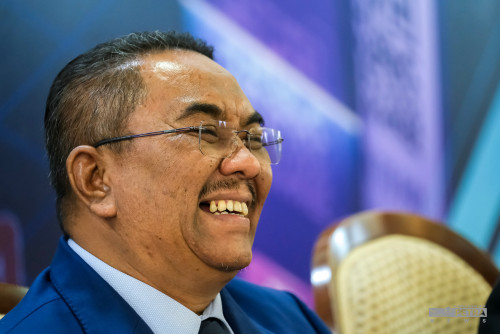
Former Chief Ministers, including Warisan President Datuk Seri Mohd Shafie Apdal and UMNO Sabah Treasurer Datuk Seri Dr Salleh Said Keruak, are seeking re-election in Senallang and Usukan respectively, while caretaker Chief Minister Datuk Seri Hajiji Noor defends Sulaman.
Analysts highlight that the Sabah Maju Jaya (SMJ) agenda has been central to the state’s economic performance. Investments reached RM11.34 billion last year, with state revenue rising to RM6.9 billion in 2023.
Prof Madya Dr Romzi Ationg said, “SMJ has become the catalyst for Sabah’s highest-ever state revenue while invigorating industrial, tourism, and agricultural sectors.”
Prof Dr Azmi Hassan added, “Consistent GDP growth from RM77.8 billion to RM84.3 billion reflects vibrant development, bolstered by close collaboration between the state and Federal Government.
The recent RM600 million special allocation will further advance energy and infrastructure initiatives.”
Key issues dominating campaigns include the Malaysia Agreement 1963 (MA63), Sabah’s 40 per cent special revenue entitlement, cost of living, employment opportunities, access to clean water, infrastructure, and rural development.
Observers note that while the “Sabah versus Peninsula” narrative persists, the reality is more complex, with Peninsular-based parties integrated into local coalitions.
Prime Minister Datuk Seri Anwar Ibrahim’s visits to key constituencies have emphasised the need for constructive engagement with the Federal Government, while opposition parties have scrutinised integrity and transparency, including controversies surrounding letters from a former senior political secretary.
With more than 1.76 million registered voters, young voters under the Undi18 system are expected to influence results in urban and semi-urban areas.
Analysts caution that no single party or coalition is likely to achieve an outright majority, potentially leading to prolonged negotiations following the election.
As Sabahans head to the polls, the stakes extend beyond the election of representatives.
Observers say the results will shape the state’s governance, its relationship with the Federal Government, and the implementation of critical economic and development policies for the next five years.
“Every vote carries weight,” analysts note, “and the future trajectory of Sabah hinges on the decisions of its electorate from Banggi to Sebatik.” - November 28, 2025