THE emergence of enclosed colonies of foreign workers in Malaysia poses risks that go beyond mere housing concerns, potentially creating communication gaps with local residents, enabling unregistered activities, worker exploitation, public health challenges, and cross-border operations that are difficult to monitor.
Associate Professor Dr Ratna Roshida Ab Razak, from the Department of Nationhood and Civilisation, Faculty of Human Ecology at Universiti Putra Malaysia, explained that local residents often report feelings of insecurity, a perceived loss of control over their immediate environment, and abrupt shifts in social dynamics when foreign communities consolidate into closed settlements.
“The challenge begins when foreign communities form social spaces that operate outside the bounds of local monitoring, regulation, and norms,” she said. “From a social security perspective, the formation of these enclosed colonies carries more risk than the presence of foreign individuals living separately.”
Despite repeated enforcement operations, Dr Ratna Roshida pointed out that authorities’ responses have largely remained reactive rather than strategic.
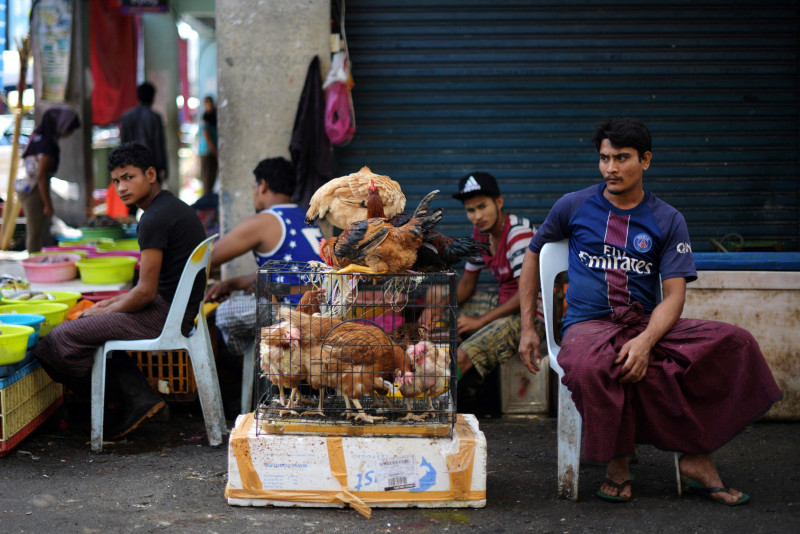
Observations reveal that foreign workers continue to operate in areas such as around Pasar Selayang, Kuala Lumpur, highlighting the persistence of such communities.
“We often manage the symptoms rather than the root cause,” she said. “As long as there is demand for cheap labour, weaknesses in centralised housing, the absence of integrated data, and inconsistent inter-agency coordination, these colonies will continue to form even after repeated clearance operations.”
Dr Ratna Roshida advocates for a long-term, holistic approach underpinned by data-driven enforcement.
“This should include geospatial mapping of high-risk areas, integration of data from local authorities, immigration agencies, and the police, as well as continuous community monitoring, not just large-scale operations.”
She also stressed the need for clearer housing and placement policies for foreign workers to facilitate oversight, reduce congestion, and maintain local harmony.
Employers, she noted, must be held accountable to ensure that worker accommodation is safe, compliant, and aligned with the law.
“If worker housing is left entirely to the free market, the problem of enclosed colonies will persist,” she said.
Empowering local communities through civic education and social safety awareness is equally crucial. Residents must be encouraged to report suspicious activity while fostering inclusive communities that remain steadfast in upholding local values.
“Malaysia has always been open and engaged in the global economic network, but openness must be accompanied by clear policies, shared responsibility, and a commitment to safeguarding national social resilience,” Dr Ratna Roshida said.
“The key step is not merely to address foreign worker colonies, but to ensure our society becomes a strong, adaptive, and competitive community in an increasingly challenging global environment.” - December 10, 2025