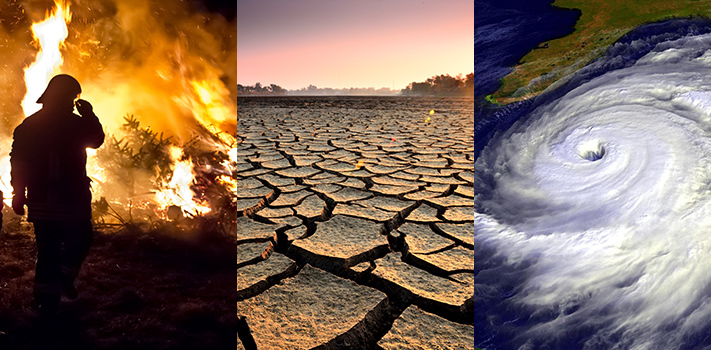
MALAYSIA must move beyond piecemeal climate policies and introduce a comprehensive climate change bill to confront the mounting effects of global warming on the nation’s stability, economy and citizens’ welfare, according to Tan Sri Lee Lam Thye, chairman of the Alliance for a Safe Community.
“Floods that arrive faster and recede more slowly, rising temperatures that strain outdoor workers and vulnerable communities, landslides, food supply disruptions, and growing pressure on public health systems are now part of everyday life,” he said.
“These are not distant projections. They are present realities that affect national stability, economic performance and social wellbeing,” Lee added when contacted on Sunday (Feb 15).
Lee criticised the current approach, noting that Malaysia continues to rely on fragmented policies and non-binding commitments, leaving climate action inconsistent and vulnerable to political changes. He stressed that a binding legal framework would provide clarity, long-term direction and accountability.
“Climate change is not confined to one ministry or sector. It affects health, infrastructure, energy, food security, labour, finance, education and national security,” he said.
Anchoring climate goals in law, he said, would offer certainty to businesses, investors, local authorities and communities.
“Such a bill is not about adding bureaucracy. It is about creating certainty,” Lee explained.
He emphasised that predictable legal signals are essential to attract investments in renewable energy, green technology, sustainable finance and climate-resilient infrastructure.
The proposed legislation, he added, must clearly define Malaysia’s national climate commitments, including mitigation and adaptation targets aligned with international obligations.
“These targets must be supported by transparent reporting, regular review and enforceable mechanisms.
“Accountability should be institutional, not dependent on individual leadership or shifting priorities,” he said.
Lee also highlighted climate change as a pressing social justice issue, warning that vulnerable populations—low-income households, indigenous communities, small farmers and outdoor workers—bear the heaviest burden.
“The new law must prioritise the health, safety and livelihoods of these groups,” he said.
He noted that local authorities often face the direct impacts of climate change but lack consistent guidance and resources. “A strong legal framework would improve coordination between federal, state and local levels, integrate climate considerations into planning and development, and strengthen disaster preparedness,” Lee said.
Transparency and public trust, he added, must underpin any effective climate policy. “Mandatory disclosures, accessible data and independent oversight are essential.
Delaying climate legislation will only increase future costs. Recovery from disasters, healthcare burdens, productivity losses and infrastructure damage far outweigh the cost of early action,” he added. - February 15, 2025
.jpeg)


.jpg)