THE ongoing conflict in West Asia involving Iran, the United States and Israel may appear geographically distant from Malaysia, but its economic consequences are being felt locally, particularly among skilled youth in the manufacturing sector.
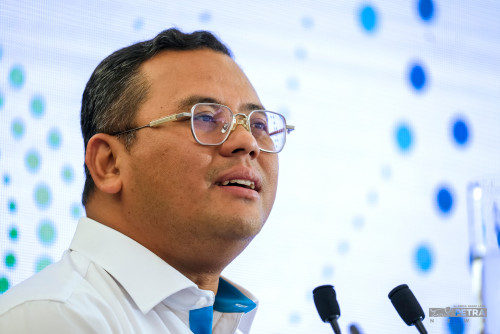
Belia Mahir President and a member of the National TVET Council Mohammad Rizan Hassan told Berita Harian that as global tensions escalate, one of the earliest and most visible impacts has been a surge in oil prices, driven by fears of supply disruptions in strategic regions such as the Middle East.
This increase extends far beyond fuel costs at the pump, affecting the entire economic chain, including transportation, raw materials and industrial production costs.
“When operational costs rise, companies typically respond with cost-cutting measures, placing immediate pressure on workers,” he said, adding, in manufacturing, this often begins with reduced production output.
Faced with uncertain global demand and higher expenses, factories scale back operations, directly affecting income opportunities for employees.
For many skilled young workers, particularly technical staff and machine operators, overtime pay forms a crucial part of their monthly earnings.
As companies reduce overtime, their overall income declines, even if base salaries remain unchanged. This creates significant financial strain, especially as living costs continue to rise.
Hiring trends are also shifting.
“Employers are becoming increasingly cautious, with hiring freezes emerging as a common response to economic uncertainty,” he said.
This trend is particularly challenging for graduates of Technical and Vocational Education and Training programmes, diploma holders, and young entrants to the job market, who now face shrinking employment opportunities and longer periods of unemployment.
Mohammad Rizan explains that in more severe cases, companies may resort to workforce reductions.
Contract workers, new hires and less experienced employees are often the first to be affected, highlighting that technical skills alone are no longer sufficient.
Industry experience, adaptability and added value are increasingly key to job security.
At the same time, disruptions to global supply chains are affecting daily factory operations.
Delays in raw material deliveries and rising costs have led to inconsistent production schedules. Workers may face irregular hours, unpaid leave or reduced workloads, limiting both income stability and opportunities to develop practical skills.
Despite these challenges, a significant shift is underway in the labour market.
“Employers are no longer seeking workers who can perform a single routine task. Instead, there is growing demand for multi-skilled individuals capable of handling diverse roles, understanding automation systems and adapting to new technologies,” he said.
Industries such as semiconductors, electric vehicles, robotics and artificial intelligence are expanding, offering greater resilience to those equipped with relevant expertise.
Workers with skills in these advanced sectors are less vulnerable to economic shocks, while those with only basic competencies face higher risks of displacement.
The current crisis is effectively acting as a filter within the labour market, distinguishing between those who meet minimum job requirements and those prepared to grow and evolve. In this environment, upskilling and reskilling are no longer optional but essential.
Support systems must also evolve.
The role of non-governmental organisations and both public and private TVET institutions is becoming increasingly critical in equipping youth with industry-relevant skills.
Training programmes must align closely with current market demands, while job placement efforts should be intensified through stronger industry partnerships.
“Ultimately, the situation serves as a stark reminder of the volatility of today’s global landscape. While international conflicts remain beyond local control, the response to their economic impact is not, Mohammad Rizan added.
Skilled youth must build resilience not only through technical ability but also through mindset and adaptability. In an era defined by rapid change, those who remain relevant will not necessarily be the most experienced, but those who learn fastest and adapt most effectively. - May 2, 2026